
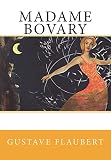
Madame Bovary
(Penguin Classics Deluxe Edition)
by Gustave Flaubert
2 more
Recommended by 4 notable people, including Frank Chimero and Lena Dunham
Check price on AmazonProof-backed recommendation
Amazon availability
Reading Profile
Should I read this?
Flaubert’s novel centers on Emma Bovary, a beautiful but bored provincial wife whose appetite for romantic escape repeatedly clashes with the smallness of her marriage and town. This translation emphasizes precise, often cool prose that stops on mannerisms and the accumulation of everyday details. Most useful is the sentence-level craftsmanship and the way steady description creates moral pressure. Limiting: the pace is unhurried and the tone can feel unsparing, so readers seeking quick catharsis may be frustrated.
Read this if...
- •a literature student preparing a seminar paper on 19th-century realism who needs a close example of sentence craft and social critique
- •a book-club organizer selecting a text to provoke debate about desire, marriage, and social expectation in period fiction
- •a writer or translator studying how restrained diction and exact detail build character when you want examples to imitate sentence by sentence
Skip this if...
- •you’ll likely put it down when long descriptive passages and repeated interior frustration slow narrative momentum — patience for gradual build is required
- •annoying if you prefer plot-driven or emotionally consoling novels; the book resists easy sympathy and rapid payoff
- •frustrating if modern pacing and dialogue-driven scenes are what you enjoy; the prose leans toward careful observation rather than cinematic momentum
A major new translation of one of the most popular classics of all time, now in a gorgeous deluxe edition.Emma Bovary is beautiful and bored, trapped in her marriage to a mediocre doctor and stifled by the banality of provincial life. An ardent reader of sentimental novels, she longs for passion and seeks escape in fantasies of high romance, in vor...
Before You Buy
Reading Specifications
Difficulty:medium
Audience Fit
- a literature student preparing a seminar paper on 19th-century realism who needs a close example of sentence craft and social critique
- a book-club organizer selecting a text to provoke debate about desire, marriage, and social expectation in period fiction
- a writer or translator studying how restrained diction and exact detail build character when you want examples to imitate sentence by sentence
- you’ll likely put it down when long descriptive passages and repeated interior frustration slow narrative momentum — patience for gradual build is required
- annoying if you prefer plot-driven or emotionally consoling novels; the book resists easy sympathy and rapid payoff
- frustrating if modern pacing and dialogue-driven scenes are what you enjoy; the prose leans toward careful observation rather than cinematic momentum
Check formats, pricing, and availability options for Kindle, physical print, or audiobooks directly.
View available editions on AmazonKey themes
Why recommended
Recommended by 5 sources and appears in Most Recommended Books and Fiction.
Recommended by notable people
People and public figures who have recommended this book.
Recommendation Signals
Recommendation proof is sourced from public posts, interviews, reading lists, and cited references.
Appears In
Not sure if this is the right fit?
Consider The Republic by Plato. Recommended by 13 sources.
“Plato stages an extended Socratic conversation that moves from concrete questions about justice into broad proposals about an ideal city, the structure of the soul, and what counts as reality and knowledge. Reading alternates brisk question-and-answer snippets with long, cumulative demonstrations that reward careful attention and annotation. Main value: a wealth of thought experiments for testing political and ethical intuitions. Main limitation: repetitive refutations, long policy sketches and dense metaphysical passages can feel abstruse and slow; patience and some philosophical background help.”
Similar books



How recommendation signals are reviewed
Each recommendation is collected from a public source — interviews, articles, or curated lists — and linked to its original URL. Books with many verifiable recommendations from respected people rank higher.