

Mastery
The Keys to Success and LongTerm Fulfillment
by George Leonard


7 more
More Recommenders
Co-founder of Twitter and Medium
“A description of the path to mastery in any field: to enjoy regular practice for its own sake, to push your capabilities but to accept the plateau, to surrender to the path and exercises your teacher gives you. Stay focused, not distracted like the dabbler, impatient like the obsessive, or complacent like the hacker. | A set of prescriptions or principles, for attaining mastery. | Detailed the challenges that we all face on the road to expertise in any field.”
Source →“A description of the path to mastery in any field: to enjoy regular practice for its own sake, to push your capabilities but to accept the plateau, to surrender to the path and exercises your teacher gives you. Stay focused, not distracted like the dabbler, impatient like the obsessive, or complacent like the hacker. | A set of prescriptions or principles, for attaining mastery. | Detailed the challenges that we all face on the road to expertise in any field.”
Source →
Author of Atomic Habits
“A description of the path to mastery in any field: to enjoy regular practice for its own sake, to push your capabilities but to accept the plateau, to surrender to the path and exercises your teacher gives you. Stay focused, not distracted like the dabbler, impatient like the obsessive, or complacent like the hacker. | A set of prescriptions or principles, for attaining mastery. | Detailed the challenges that we all face on the road to expertise in any field.”
Source →“A description of the path to mastery in any field: to enjoy regular practice for its own sake, to push your capabilities but to accept the plateau, to surrender to the path and exercises your teacher gives you. Stay focused, not distracted like the dabbler, impatient like the obsessive, or complacent like the hacker. | A set of prescriptions or principles, for attaining mastery. | Detailed the challenges that we all face on the road to expertise in any field.”
Source →“A description of the path to mastery in any field: to enjoy regular practice for its own sake, to push your capabilities but to accept the plateau, to surrender to the path and exercises your teacher gives you. Stay focused, not distracted like the dabbler, impatient like the obsessive, or complacent like the hacker. | A set of prescriptions or principles, for attaining mastery. | Detailed the challenges that we all face on the road to expertise in any field.”
Source →“A description of the path to mastery in any field: to enjoy regular practice for its own sake, to push your capabilities but to accept the plateau, to surrender to the path and exercises your teacher gives you. Stay focused, not distracted like the dabbler, impatient like the obsessive, or complacent like the hacker. | A set of prescriptions or principles, for attaining mastery. | Detailed the challenges that we all face on the road to expertise in any field.”
Source →“A description of the path to mastery in any field: to enjoy regular practice for its own sake, to push your capabilities but to accept the plateau, to surrender to the path and exercises your teacher gives you. Stay focused, not distracted like the dabbler, impatient like the obsessive, or complacent like the hacker. | A set of prescriptions or principles, for attaining mastery. | Detailed the challenges that we all face on the road to expertise in any field.”
Source →Recommended by 9 notable people, including Tim Ferriss and Derek Sivers
Check price on AmazonProof-backed recommendation
Amazon availability
Reading Profile
Should I read this?
George Leonard uses aikido and Zen to argue that mastery is a lifelong path of plateaus, not a final destination. The book feels like a wise, calm conversation that reframes struggle as part of the journey. It's useful for releasing the pressure to always improve linearly. The main limitation: if you're looking for concrete exercises or a structured program, you won't find them. It's more philosophical orientation than how-to manual. You'll likely pause to reflect after each short chapter.
Read this if...
- •A mid-career software engineer stuck doing legacy code maintenance who's losing motivation because promotions go to others; this book helps see that deepening expertise without visible advancement is still mastery.
- •An amateur pianist who's practiced the same piece for months without noticeable improvement and is thinking of quitting; reading this reframes the plateau as a sign of deep learning, not failure.
- •A new graduate in a first job that doesn't match their ambition, feeling stalled and anxious about falling behind peers; the Zen-infused view gives permission to treat early career years as a necessary plateau, not a race.
Skip this if...
- •Someone who wants a step-by-step system or workbook: the book offers no exercises, templates, or actionable sequences.
- •Readers who dislike philosophical or Eastern-influenced approaches; the Zen framing and aikido metaphors can feel too abstract or detached from modern work contexts.
- •You'll likely put it down when the plateau concept gets repetitive near the middle—if you're already sold on the idea, the repeated examples and anecdotes can feel redundant rather than deepening.
"The pracitcal wisdom in George Leonard's book will have a great influence for many years to come." —Michael Murphy, author of Golf in the Kingdom and The Future of the BodyDrawing on Zen philosophy and his expertise in the martial art of aikido, bestselling author Gorge Leonard shows how the process of mastery can help us attain a higher level of ...
Before You Buy
Reading Specifications
Difficulty:hard
Audience Fit
- A mid-career software engineer stuck doing legacy code maintenance who's losing motivation because promotions go to others; this book helps see that deepening expertise without visible advancement is still mastery.
- An amateur pianist who's practiced the same piece for months without noticeable improvement and is thinking of quitting; reading this reframes the plateau as a sign of deep learning, not failure.
- A new graduate in a first job that doesn't match their ambition, feeling stalled and anxious about falling behind peers; the Zen-infused view gives permission to treat early career years as a necessary plateau, not a race.
- Someone who wants a step-by-step system or workbook: the book offers no exercises, templates, or actionable sequences.
- Readers who dislike philosophical or Eastern-influenced approaches; the Zen framing and aikido metaphors can feel too abstract or detached from modern work contexts.
- You'll likely put it down when the plateau concept gets repetitive near the middle—if you're already sold on the idea, the repeated examples and anecdotes can feel redundant rather than deepening.
Check formats, pricing, and availability options for Kindle, physical print, or audiobooks directly.
View available editions on AmazonKey themes
Why recommended
Recommended by 13 sources and appears in Learning, Books Recommended by Tim Ferriss, and Most Recommended Books.
Recommended by notable people
People and public figures who have recommended this book.
Recommendation Signals
Recommendation proof is sourced from public posts, interviews, reading lists, and cited references.
Brendon Burchard
“A description of the path to mastery in any field: to enjoy regular practice for its own sake, to push your capabilities but to accept the plateau, to surrender to the path and exercises your teacher gives you. Stay focused, not distracted like the dabbler, impatient like the obsessive, or complacent like the hacker. | A set of prescriptions or principles, for attaining mastery. | Detailed the challenges that we all face on the road to expertise in any field.”
View sources (3) ▾80%
Appears In
Not sure if this is the right fit?
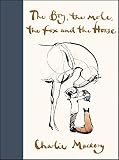
Consider The Boy, the Mole, the Fox and the Horse by Charlie Mackesy. Recommended by 8 sources.
“Soft-spoken, heavily illustrated fable built from short dialogues and watercolor sketches. Each spread pairs a spare line of text with a loose drawing, so the pleasure is visual and aphoristic rather than narrative; readers collect felt-true sentences more than plot. Most useful when you want quick consolations, a prompt for conversation with a child, or a pause during a rough day. Limiting if you want sustained argument, concrete advice, or tightly plotted storytelling: the repetition of gentleness can feel sentimental or thin after a while.”
Similar books
The Boy, the Mole, the Fox and the Horse
Charlie Mackesy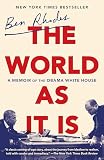
The World as It Is
Ben Rhodes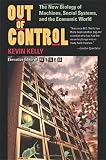
Out of Control
Kevin Kelly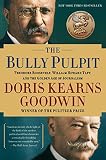
The Bully Pulpit
Doris Kearns Goodwin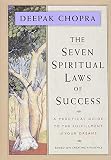
The Seven Spiritual Laws of Success
Deepak Chopra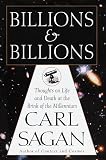
Billions and Billions
Carl Sagan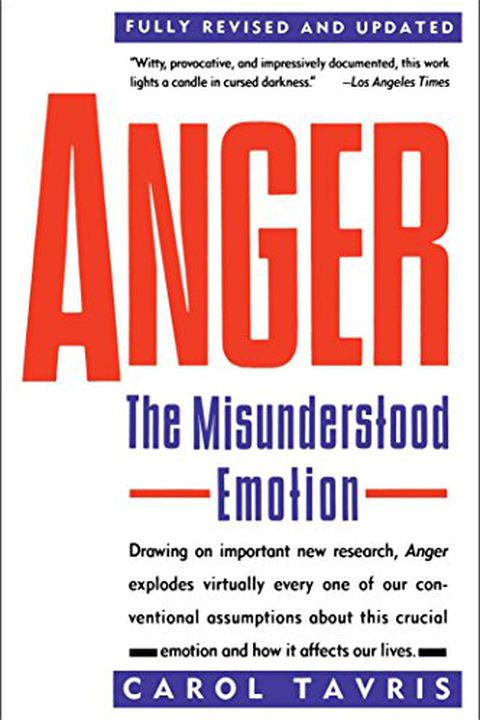
Anger
Gary ChapmanFactfulness
Hans RoslingHow recommendation signals are reviewed
Each recommendation is collected from a public source — interviews, articles, or curated lists — and linked to its original URL. Books with many verifiable recommendations from respected people rank higher.