
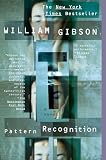
Pattern Recognition
Blue Ant, Book 1
by William Gibson

Recommended by Seth Godin and Neil Gaiman
Check price on AmazonProof-backed recommendation
Amazon availability
Reading Profile
Should I read this?
Pattern Recognition opens in a cool, urban register: Cayce Pollard, a high-priced market-research consultant, chases enigmatic online video snippets across cities and corporate channels. The book's strongest material is its sensory detail and the way brand-signals operate as social evidence, which reads almost like tight reportage. Narrative tempo is deliberate and often lingers on pattern-spotting rather than racing to a tidy solution. Readers after straightforward suspense may find the elliptical beats and mood-focused passages frustrating.
Read this if...
- •a marketing strategist at an ad agency about to pitch a campaign that leans on microcultures and influencer clips — useful now because the book treats brands and viral fragments as social signals you can riff on for campaign framing and briefing examples.
- •a product manager at a streaming or social platform trying to detect emergent short-form trends before competitors do — useful now because the book offers scene-level examples of how media snippets circulate and how audience attention translates into cultural clues.
- •a novelist revising an urban, mood-driven manuscript who needs to tighten voice and place-making in the opening chapters — useful now because the book demonstrates cool detachment, precise sensory description, and ways to sustain atmosphere without explicit emotional signposting.
Skip this if...
- •you'll likely put it down when the plot stalls behind long, stylish digressions — the book often prioritizes texture and repetition over forward momentum.
- •annoying if you prefer clear resolutions and explicit motives — many narrative threads are left partial and thematic returns replace neat tie-ups.
- •unsuited if you want hands-on takeaways or practical how-tos — no hands-on exercises or step-by-step instruction are provided.
Cayce Pollard is an expensive, spookily intuitive marketresearch consultant. In London on a job, she is offered a secret assignment: to investigate some intriguing snippets of video that have been appearing on the Internet. An entire subculture of people is obsessed with these bits of footage, and anybody who can create that kind of brand loyalty ...
Before You Buy
Reading Specifications
Difficulty:hard
Audience Fit
- a marketing strategist at an ad agency about to pitch a campaign that leans on microcultures and influencer clips — useful now because the book treats brands and viral fragments as social signals you can riff on for campaign framing and briefing examples.
- a product manager at a streaming or social platform trying to detect emergent short-form trends before competitors do — useful now because the book offers scene-level examples of how media snippets circulate and how audience attention translates into cultural clues.
- a novelist revising an urban, mood-driven manuscript who needs to tighten voice and place-making in the opening chapters — useful now because the book demonstrates cool detachment, precise sensory description, and ways to sustain atmosphere without explicit emotional signposting.
- you'll likely put it down when the plot stalls behind long, stylish digressions — the book often prioritizes texture and repetition over forward momentum.
- annoying if you prefer clear resolutions and explicit motives — many narrative threads are left partial and thematic returns replace neat tie-ups.
- unsuited if you want hands-on takeaways or practical how-tos — no hands-on exercises or step-by-step instruction are provided.
Check formats, pricing, and availability options for Kindle, physical print, or audiobooks directly.
View available editions on AmazonKey themes
Why recommended
Recommended by 4 sources and appears in Most Recommended Books, Science Fiction, and Mystery & Crime.
Recommended by notable people
People and public figures who have recommended this book.
Recommendation Signals
Recommendation proof is sourced from public posts, interviews, reading lists, and cited references.
Neil Gaiman
“You don?t even have to finish it; just read the first five chapters and suddenly, you will now understand what a brand is. | You don’t even have to finish it; just read the first five chapters and suddenly, you will now understand what a brand is.”
Appears In
Not sure if this is the right fit?
Consider The Republic by Plato. Recommended by 13 sources.
“Plato stages an extended Socratic conversation that moves from concrete questions about justice into broad proposals about an ideal city, the structure of the soul, and what counts as reality and knowledge. Reading alternates brisk question-and-answer snippets with long, cumulative demonstrations that reward careful attention and annotation. Main value: a wealth of thought experiments for testing political and ethical intuitions. Main limitation: repetitive refutations, long policy sketches and dense metaphysical passages can feel abstruse and slow; patience and some philosophical background help.”
Similar books
How recommendation signals are reviewed
Each recommendation is collected from a public source — interviews, articles, or curated lists — and linked to its original URL. Books with many verifiable recommendations from respected people rank higher.