
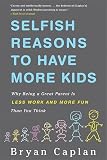
Selfish Reasons to Have More Kids
Why Being a Great Parent is Less Work and More Fun Than You Think
by Bryan Caplan
Recommended by Paul Graham and Geoffrey Miller
Check price on AmazonProof-backed recommendation
Amazon availability
Reading Profile
Should I read this?
Bryan Caplan presents a brisk, provocative argument that genetics matter far more than most parents assume, citing twin and adoption research to justify lighter, less anxious parenting and even having more children. The book's usefulness is psychological: it frees overinvested parents to reallocate time and money and to question social pressure. Main limitations are tone and selectivity—Caplan is polemical, repeats key points, and offers few emotionally grounded, concrete parenting techniques for readers seeking gentle, balanced counsel.
Read this if...
- •a mid-30s professional weighing whether to have a second child while worrying about career impact—helps reframe the trade-offs of time and money and question over-optimization
- •a public-policy analyst drafting family-support proposals who needs a provocative, data-oriented counterpoint about the limits of upbringing-focused interventions
- •a new parent overwhelmed by parenting 'best practices' who wants permission to relax and stop treating every choice as determinative
Skip this if...
- •you'll likely put it down when the same statistical claims and examples are repeated and the author's certainty hardens into polemic—readers wanting nuanced emotional storytelling often stop here
- •annoying if you prefer gentle, anecdote-rich parenting memoirs or guidance rooted in day-to-day practical steps—Caplan is argumentative, not pastoral
- •not suitable if you expect hands-on exercises, checklists, or step-by-step techniques; the book lacks hands-on exercises and detailed parenting routines
We've needlessly turned parenting into an unpleasant chore. Parents invest more time and money in their kids than ever, but the shocking lesson of twin and adoption research is that upbringing is much less important than genetics in the long run. These revelations have surprising implications for how we parent and how we spend time with our kids. T...
Before You Buy
Reading Specifications
Difficulty:easy
Audience Fit
- a mid-30s professional weighing whether to have a second child while worrying about career impact—helps reframe the trade-offs of time and money and question over-optimization
- a public-policy analyst drafting family-support proposals who needs a provocative, data-oriented counterpoint about the limits of upbringing-focused interventions
- a new parent overwhelmed by parenting 'best practices' who wants permission to relax and stop treating every choice as determinative
- you'll likely put it down when the same statistical claims and examples are repeated and the author's certainty hardens into polemic—readers wanting nuanced emotional storytelling often stop here
- annoying if you prefer gentle, anecdote-rich parenting memoirs or guidance rooted in day-to-day practical steps—Caplan is argumentative, not pastoral
- not suitable if you expect hands-on exercises, checklists, or step-by-step techniques; the book lacks hands-on exercises and detailed parenting routines
Check formats, pricing, and availability options for Kindle, physical print, or audiobooks directly.
View available editions on AmazonKey themes
Why recommended
Recommended by 3 sources and appears in Books Recommended by Paul Graham, Most Recommended Books, and Finance.
Recommended by notable people
People and public figures who have recommended this book.
Recommendation Signals
Recommendation proof is sourced from public posts, interviews, reading lists, and cited references.
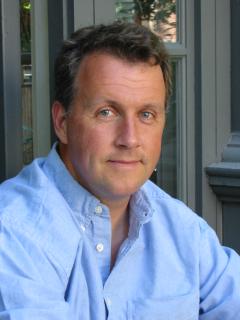
Paul Graham
Co-founder of Y Combinator; essayist
“@PolyGalSeeks The book 'Selfish reasons to have more kids' by @bryan_caplan is the best book on parenting. Because it's one of the few to take genetics seriously.”
Appears In
Not sure if this is the right fit?
Consider The Undoing Project by Michael Lewis. Recommended by 18 sources.
“Michael Lewis chronicles the friendship and intellectual partnership of Daniel Kahneman and Amos Tversky, who championed the idea that cognitive biases shape our choices. The narrative reads like a buddy story, weaving their discoveries into personal anecdotes and the drama of their collaboration. You'll grasp key ideas—loss aversion, framing—through their story, but the book focuses on biography, not application. Helpful for understanding behavioral economics' origins; less useful if you want actionable advice. The emotional arc of their relationship can overshadow the science.”
Similar books
The Undoing Project
Michael Lewis
The Little Book of Common Sense Investing
John C. Bogle
Financial Shenanigans
Howard Schilit
Scale
Geoffrey West
Poor Numbers
Morten Jerven
The Great Illusion
Norman Angell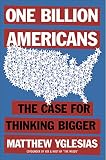
One Billion Americans
Matthew Yglesias
Accounting Principles Standalone book
Jerry J. WeygandtHow recommendation signals are reviewed
Each recommendation is collected from a public source — interviews, articles, or curated lists — and linked to its original URL. Books with many verifiable recommendations from respected people rank higher.