
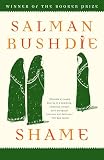
Shame
A Novel
by Salman Rushdie
Reading Profile
Should I read this?
Reading Salman Rushdie's Shame is like entering a carnival of language where family feuds and national myths are rendered with baroque, often-outraged wit. Its main strength lies in satirical, often-surreal set pieces that dramatize how private humiliation and public power feed one another, producing striking scenes and memorable characters. The main limitation is repeated digressions, piling metaphors, and tonal excess that can blunt emotional clarity and slow momentum for readers who prefer tighter plots. Best approached as a richly ornate, occasionally exhausting novel—rewarding if you like linguistic daring, annoying if you want restraint.
Read this if...
- •a graduate student in postcolonial literature preparing a seminar paper who needs vivid fictional examples of political allegory and moral hypocrisy to illustrate private-public entanglement
- •a fiction writer studying voice and stamina who wants to see how sustained, baroque prose and satirical registers hold up across a full-length novel
- •an avid reader of literary fiction between projects who wants a verbally adventurous, politically charged book to sink into over a long weekend
Skip this if...
- •you'll likely put it down when digressions and repeated satirical set pieces stretch past the point where stakes feel immediate — not for readers who want tight plotting and clear emotional arcs
- •annoying if you dislike grotesque caricature or sexually explicit, carnival-like scenes, since the novel leans into excess and shock for satirical effect
- •not for anyone seeking quiet, mournful realism or subtle melancholy — the tone is loud, ironic, and sometimes angry, which will grate if you prefer restraint
The novel that set the stage for his modern classic, The Satanic Verses, Shame is Salman Rushdie’s phantasmagoric epic of an unnamed country that is “not quite Pakistan.” In this dazzling tale of an ongoing duel between the families of two men–one a celebrated wager of war, the other a debauched lover of pleasure–Rushdie brilliantly portrays a worl...
Before You Buy
Reading Specifications
Difficulty:hard
Audience Fit
- a graduate student in postcolonial literature preparing a seminar paper who needs vivid fictional examples of political allegory and moral hypocrisy to illustrate private-public entanglement
- a fiction writer studying voice and stamina who wants to see how sustained, baroque prose and satirical registers hold up across a full-length novel
- an avid reader of literary fiction between projects who wants a verbally adventurous, politically charged book to sink into over a long weekend
- you'll likely put it down when digressions and repeated satirical set pieces stretch past the point where stakes feel immediate — not for readers who want tight plotting and clear emotional arcs
- annoying if you dislike grotesque caricature or sexually explicit, carnival-like scenes, since the novel leans into excess and shock for satirical effect
- not for anyone seeking quiet, mournful realism or subtle melancholy — the tone is loud, ironic, and sometimes angry, which will grate if you prefer restraint
Check formats, pricing, and availability options for Kindle, physical print, or audiobooks directly.
View available editions on AmazonKey themes
Why recommended
Recommended by 3 sources and appears in Most Recommended Books and Fiction.
Recommended by notable people
People and public figures who have recommended this book.
Recommendation Signals
Recommendation proof is sourced from public posts, interviews, reading lists, and cited references.
Richa Chadha
“Even though it was heavy for me at 15, I was greatly impacted by Shame. It made me kinder.”
Appears In
Not sure if this is the right fit?
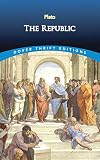
Consider The Republic by Plato. Recommended by 13 sources.
“Plato stages an extended Socratic conversation that moves from concrete questions about justice into broad proposals about an ideal city, the structure of the soul, and what counts as reality and knowledge. Reading alternates brisk question-and-answer snippets with long, cumulative demonstrations that reward careful attention and annotation. Main value: a wealth of thought experiments for testing political and ethical intuitions. Main limitation: repetitive refutations, long policy sketches and dense metaphysical passages can feel abstruse and slow; patience and some philosophical background help.”
Similar books

How recommendation signals are reviewed
Each recommendation is collected from a public source — interviews, articles, or curated lists — and linked to its original URL. Books with many verifiable recommendations from respected people rank higher.