
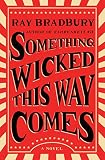
Something Wicked This Way Comes
Green Town, Book 2
by Ray Bradbury
Reading Profile
Should I read this?
Bradbury's novel reads like a slow, poetic nightmare in a Midwestern small town: language favors lyricism and image over propulsive plotting. What works best is atmosphere — sustained, image-rich scenes that make the carnival's creepiness and the boys' confrontation with aging feel tangible. The limitation is pacing and opacity: readers seeking fast-paced suspense, concrete explanations, or modern realist character psychology may find stretches of nostalgic reflection and elliptical episodes that deprioritize plot resolution.
Read this if...
- •a high-school English teacher designing an autumn unit who wants evocative, discussable scenes about fear, loss of innocence, and symbolism
- •a late-teen or young adult reader drawn to mood-driven coming-of-age horror who wants language and atmosphere to carry the story more than action
- •a screenwriter or visual storyteller looking for scene-level inspiration and set-piece ideas for a small-town, carnival-based horror sequence
Skip this if...
- •you'll likely put it down when long, poetic digressions replace forward plot — the middle sections can feel slow and episodic
- •annoying if you prefer concrete psychological realism or clear, literal explanations; the book leans on metaphor and suggestion
- •unsatisfying if you want nonstop scares or action-driven horror; tension is built through mood and memory, not continuous thrills
One of Ray Bradbury?s bestknown and most popular novels, Something Wicked This Way Comes, now featuring a new introduction and material about its longstanding influence on culture and genre.For those who still dream and remember, for those yet to experience the hypnotic power of its dark poetry, step inside. The show is about to begin. Cooger & Da...
Before You Buy
Reading Specifications
Difficulty:hard
Audience Fit
- a high-school English teacher designing an autumn unit who wants evocative, discussable scenes about fear, loss of innocence, and symbolism
- a late-teen or young adult reader drawn to mood-driven coming-of-age horror who wants language and atmosphere to carry the story more than action
- a screenwriter or visual storyteller looking for scene-level inspiration and set-piece ideas for a small-town, carnival-based horror sequence
- you'll likely put it down when long, poetic digressions replace forward plot — the middle sections can feel slow and episodic
- annoying if you prefer concrete psychological realism or clear, literal explanations; the book leans on metaphor and suggestion
- unsatisfying if you want nonstop scares or action-driven horror; tension is built through mood and memory, not continuous thrills
Check formats, pricing, and availability options for Kindle, physical print, or audiobooks directly.
View available editions on AmazonKey themes
Why recommended
Recommended by 2 sources and appears in Horror, Most Recommended Books, and Science Fiction.
Recommended by notable people
People and public figures who have recommended this book.
Recommendation Signals
Recommendation proof is sourced from public posts, interviews, reading lists, and cited references.
Patrick Rothfuss
“@ChrisPerkinsDnD SO good. Amazing language. I think it's my #2 favorite book.”
Appears In
Not sure if this is the right fit?
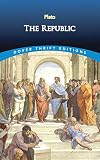
Consider The Republic by Plato. Recommended by 13 sources.
“Plato stages an extended Socratic conversation that moves from concrete questions about justice into broad proposals about an ideal city, the structure of the soul, and what counts as reality and knowledge. Reading alternates brisk question-and-answer snippets with long, cumulative demonstrations that reward careful attention and annotation. Main value: a wealth of thought experiments for testing political and ethical intuitions. Main limitation: repetitive refutations, long policy sketches and dense metaphysical passages can feel abstruse and slow; patience and some philosophical background help.”
Similar books
How recommendation signals are reviewed
Each recommendation is collected from a public source — interviews, articles, or curated lists — and linked to its original URL. Books with many verifiable recommendations from respected people rank higher.