
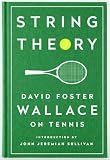
String Theory
David Foster Wallace on Tennis
by David Foster Wallace
Recommended by Bill Gates and Ben Shapiro
Check price on AmazonProof-backed recommendation
Amazon availability
Reading Profile
Should I read this?
Wallace’s tennis essays blend meticulous game detail, affectionate insider anecdotes, and sprawling, digressive sentences that veer into cultural and personal asides. The most useful moments translate fine points of play into reflections on attention, competition, and how we watch sports. The main limitation is style: the prose rewards careful reading but also repeats themes, piles up long sentences and footnoted tangents, and assumes a tolerance for technical tennis talk—readers after brisk reportage or tight structure may tire.
Read this if...
- •a sportswriter polishing long-form features who wants to study rich descriptive technique and sentence-level bravura to make technical play feel vivid
- •an avid tennis player or coach trying to find language for match dynamics and psychological texture when explaining pressure moments to students or friends
- •a creative-writing student drafting personal essays who needs examples of sustained voice, digression, and how to turn obsessive detail into thematic payoff
Skip this if...
- •you'll likely put it down when long, multi-clause sentences and repeated tangents pile up—if you prefer concise prose, expect an early stop
- •annoying if you prefer straight reportage with minimal author presence; the writer’s opinions and asides are persistent and sometimes domineering
- •you'll lose interest if you don't care about tennis specifics—the technical jargon and match minutiae can feel like padding rather than insight
An instant classic of American sportswriting?the tennis essays of David Foster Wallace, ?the best mind of his generation? (A. O. Scott) and ?the best tenniswriter of all time? (New York Times) Both a onetime "neargreat junior tennis player" and a lifelong connoisseur of the finer points of the game, David Foster Wallace wrote about tennis with th...
Before You Buy
Reading Specifications
Difficulty:hard
Audience Fit
- a sportswriter polishing long-form features who wants to study rich descriptive technique and sentence-level bravura to make technical play feel vivid
- an avid tennis player or coach trying to find language for match dynamics and psychological texture when explaining pressure moments to students or friends
- a creative-writing student drafting personal essays who needs examples of sustained voice, digression, and how to turn obsessive detail into thematic payoff
- you'll likely put it down when long, multi-clause sentences and repeated tangents pile up—if you prefer concise prose, expect an early stop
- annoying if you prefer straight reportage with minimal author presence; the writer’s opinions and asides are persistent and sometimes domineering
- you'll lose interest if you don't care about tennis specifics—the technical jargon and match minutiae can feel like padding rather than insight
Check formats, pricing, and availability options for Kindle, physical print, or audiobooks directly.
View available editions on AmazonKey themes
Why recommended
Recommended by 4 sources and appears in Tennis, Most Recommended Books, and Sports.
Recommended by notable people
People and public figures who have recommended this book.
Recommendation Signals
Recommendation proof is sourced from public posts, interviews, reading lists, and cited references.

Bill Gates
Co-founder of Microsoft; co-chair of the Gates Foundation
“A fun bathroom book to read. The writing is really great. | I would say to anyone who likes tennis as much as I do, you have to read String Theory.”
View sources (2) ▾80%
Appears In
Not sure if this is the right fit?
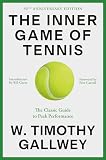
Consider The Inner Game of Tennis by W. Timothy Gallwey. Recommended by 12 sources.
“The Inner Game of Tennis reads like a calm coaching conversation that reframes performance as two competing mindsets: the judging self and the relaxed, attentive self. Its useful part is concise mental cues and tennis-based anecdotes that help you notice nervousness and shift focus in the moment, useful on court and in other pressure situations. Limitation: the book repeats its central premise across chapters and leans on dated, sport-specific examples, so it feels thin if you wanted exhaustive technique or modern context.”
Similar books

How recommendation signals are reviewed
Each recommendation is collected from a public source — interviews, articles, or curated lists — and linked to its original URL. Books with many verifiable recommendations from respected people rank higher.