
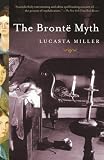
The Bronte Myth
by Lucasta Miller
Reading Profile
Should I read this?
Lucasta Miller follows the Brontë sisters through successive biographers to show how a literary legend was shaped, overturned, and reimagined. Expect a mix of archival detail, critical reassessment, and cultural context that illuminates why the sisters’ lives keep getting retold. Its most useful move is revealing biography as an act of storytelling as much as research; its main limitation is a steady stream of historiographical detours and literary-critical asides that can slow the narrative and presume familiarity with 19th-century reception history.
Read this if...
- •a literature graduate student preparing a seminar on 19th-century women writers who needs context on reception history and primary-source disputes—this supplies concrete biographer-by-biographer cases to discuss in class now
- •a book-club organizer picking a nonfiction title to spark debate about myth versus fact—this gives clear episodes that prompt argument about how reputations form and change
- •an English teacher building a unit around Jane Eyre or Wuthering Heights who wants background on how public perceptions of the sisters affected readings of their novels
Skip this if...
- •you'll likely put it down when the narrative shifts into dense historiographical chapters that catalogue critics and biographers in sequence—those sections slow the momentum
- •annoying if you prefer a novelistic biography with scene-by-scene reconstruction; this is more about reception and interpretation than fully dramatized life scenes
- •not a match if you wanted practical guidance on writing biography or hands-on exercises—no exercises and little in the way of how-to instruction
Following the Brontë sisters through their many reincarnations at the hands of biographers, Lucasta Miller reveals as much about the impossible art of biography as she does about the Brontës themselves. Their first biographer, Mrs Gaskell, transformed their story of literary ambition into one of the great legends of the 19th century, a dramatic tal...
Before You Buy
Reading Specifications
Difficulty:hard
Audience Fit
- a literature graduate student preparing a seminar on 19th-century women writers who needs context on reception history and primary-source disputes—this supplies concrete biographer-by-biographer cases to discuss in class now
- a book-club organizer picking a nonfiction title to spark debate about myth versus fact—this gives clear episodes that prompt argument about how reputations form and change
- an English teacher building a unit around Jane Eyre or Wuthering Heights who wants background on how public perceptions of the sisters affected readings of their novels
- you'll likely put it down when the narrative shifts into dense historiographical chapters that catalogue critics and biographers in sequence—those sections slow the momentum
- annoying if you prefer a novelistic biography with scene-by-scene reconstruction; this is more about reception and interpretation than fully dramatized life scenes
- not a match if you wanted practical guidance on writing biography or hands-on exercises—no exercises and little in the way of how-to instruction
Check formats, pricing, and availability options for Kindle, physical print, or audiobooks directly.
View available editions on AmazonKey themes
Why recommended
Recommended by 2 sources and appears in Most Recommended Books, Writing, and History.
Recommended by notable people
People and public figures who have recommended this book.
Recommendation Signals
Recommendation proof is sourced from public posts, interviews, reading lists, and cited references.
Margaret Atwood
“@mikerainham On subject of Brontes: Lucasta Miller's book about the fall and rise of their literary reputations is fascinating:”
Appears In
Not sure if this is the right fit?
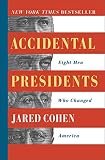
Consider Accidental Presidents by Jared Cohen. Recommended by 10 sources.
“Accidental Presidents offers eight narrative portraits of men who succeeded to the U.S. presidency without election, using anecdote-rich scenes and readable context to show how personality and circumstance interact with office power. It’s strongest as a set of self-contained stories that make succession stakes concrete for non-specialist readers; it does not prioritize dense archival argument or exhaustive methodology, so expect some interpretive generalizations and repeated themes across cases. Use it for fast historical orientation rather than scholarly deep-dives.”
Similar books

How recommendation signals are reviewed
Each recommendation is collected from a public source — interviews, articles, or curated lists — and linked to its original URL. Books with many verifiable recommendations from respected people rank higher.