
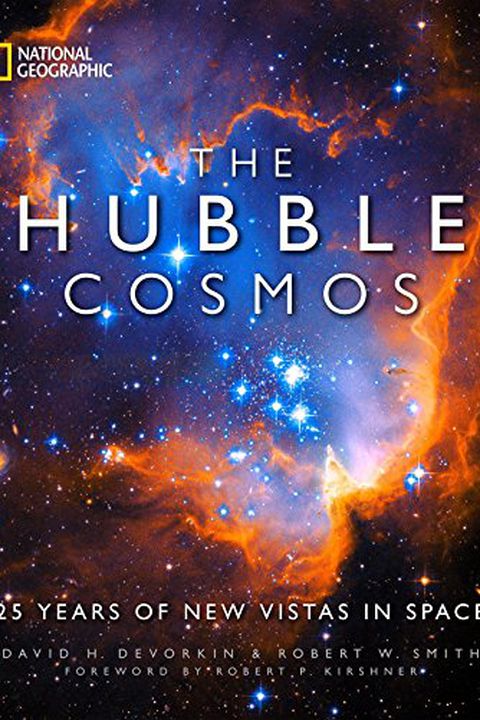
The Hubble Cosmos
25 Years of New Vistas in Space
by David H. Devorkin
Reading Profile
Should I read this?
Begins as a visual celebration of the Hubble Space Telescope, pairing high-resolution photographs with a timeline from launch through major instrument upgrades. Writing stays accessible and caption-driven, positioning images as the primary draw for general readers. Most useful as a compact, image-rich mission history and timeline reference for casual readers, presenters, or exhibit use. Limitations include a persistent celebratory tone and uneven technical depth: some chapters offer only cursory context while others fall into lists of specifications that frustrate different audiences.
Read this if...
- •a planetarium program coordinator planning a Hubble-themed month who needs clear images and readable milestone text for talks and displays
- •a science-curious parent choosing a weekend coffee-table book to spark a child's interest in space; the captions and photos support shared reading and conversation
- •a museum-exhibit designer assembling a small Hubble display who wants a compact, image-heavy source for timeline panels and caption wording
Skip this if...
- •you'll likely put it down when chapters turn into long instrument-spec lists or repetitive mission blow-by-blow — that’s the main drop-off point
- •annoying if you prefer critical analysis or deep astrophysical explanation; the tone leans celebratory and descriptive rather than skeptical or highly technical
- •not a how-to or classroom guide: lacks hands-on exercises, lesson plans, or structured teaching activities
To celebrate NASA?s Hubble Space Telescope and its 25 years of accomplishments, let The Hubble Cosmos fill your mind with big ideas, brilliant imagery, and a new understanding of the universe in which we live. Relive key moments in the monumental Hubble story, from launch through major new instrumentation to the promise of discoveries to come. With...
Before You Buy
Reading Specifications
Difficulty:hard
Audience Fit
- a planetarium program coordinator planning a Hubble-themed month who needs clear images and readable milestone text for talks and displays
- a science-curious parent choosing a weekend coffee-table book to spark a child's interest in space; the captions and photos support shared reading and conversation
- a museum-exhibit designer assembling a small Hubble display who wants a compact, image-heavy source for timeline panels and caption wording
- you'll likely put it down when chapters turn into long instrument-spec lists or repetitive mission blow-by-blow — that’s the main drop-off point
- annoying if you prefer critical analysis or deep astrophysical explanation; the tone leans celebratory and descriptive rather than skeptical or highly technical
- not a how-to or classroom guide: lacks hands-on exercises, lesson plans, or structured teaching activities
Check formats, pricing, and availability options for Kindle, physical print, or audiobooks directly.
View available editions on AmazonKey themes
Why recommended
appears in Astronomy, Science, and Nonfiction.
Recommendation Signals
Recommendation proof is sourced from public posts, interviews, reading lists, and cited references.
No verified recommendation proof available yet.
Appears In
Not sure if this is the right fit?
Consider Astrophysics for People in a Hurry by Neil deGrasseTyson. Recommended by 2 sources.
“Tyson writes short, conversational chapters that translate cosmic scale, basic astrophysics, and the arc of cosmic history into vivid metaphors and brisk explanations. The most useful part is orientation—memorable anchors and mental images that make large ideas stick without equations. Annoying or limiting: frequent brevity means topics are sketched rather than developed, and recurring jokes or one-liners can feel surface-level. Best as an appetite-whetter or primer, not a deep technical course. Read in short sessions; it hands you curiosity more than instruction.”
Similar books
Astrophysics for People in a Hurry
Neil deGrasseTyson
Beach Read
Emily Henry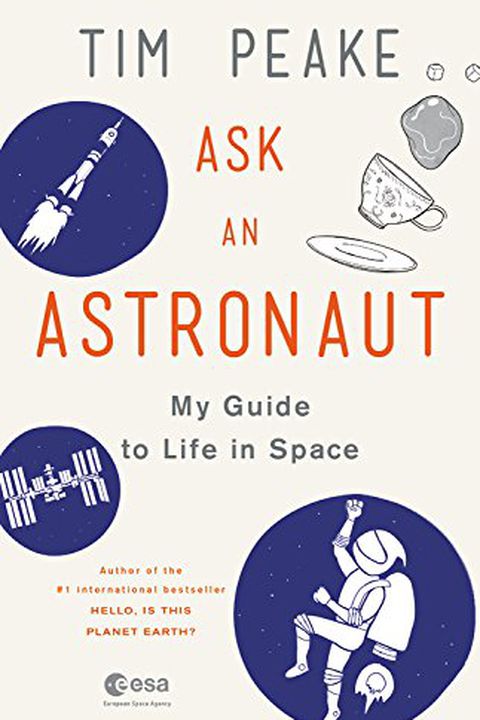
Ask an Astronaut
Tim Peake
Astronomy For Dummies
Stephen P. Maran
An Astronaut's Guide to Life on Earth
Chris Hadfield
Space!
National Geographic Backyard Guide to the Night Sky
Howard Schneider
Space Atlas, Second Edition
James TrefilHow recommendation signals are reviewed
Each recommendation is collected from a public source — interviews, articles, or curated lists — and linked to its original URL. Books with many verifiable recommendations from respected people rank higher.