
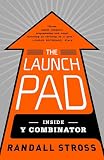
The Launch Pad
Inside Y Combinator
by Randall Stross
Recommended by Paul Graham and Garry Tan
Check price on AmazonProof-backed recommendation
Amazon availability
Reading Profile
Should I read this?
Stross takes readers inside a high-profile accelerator with close-up portraits of founders, pitch rooms, and three-month pressure cooker moments. What works best is vivid, on-the-ground description of selection, mentorship, and demo-day dynamics that change how teams behave. The main limitation is an episodic, anecdote-driven approach and a selective sample—readers seeking broad statistics, prescriptive how-to advice, or deep structural analysis will likely feel the book is light on those fronts.
Read this if...
- •an early-stage founder preparing to apply to an accelerator who wants a realistic sense of the pace, critique, and demo-day pressure they’ll face
- •an MBA student researching startup formation who needs vivid case material about how mentorship and selection shape teams for a term project
- •an angel investor or startup mentor trying to understand how accelerators alter founder behavior before deciding whether to advise or fund alumni
Skip this if...
- •you’ll likely put it down when the same anecdotal rhythms repeat and you’re still waiting for systematic takeaways—midbook repetition is the common bounce point
- •annoying if you prefer data-driven analysis or broad outcome metrics rather than personality-led reporting
- •frustrating if you want hands-on templates, checklists, or step-by-step guidance—this lacks practical exercises and prescriptive playbooks
A behindthescenes look at how tomorrows hottest startups are being primed for greatness Investment firm Y Combinator is the most soughtafter home for startups in Silicon Valley. Twice a year, it funds dozens of justfounded startups and provides three months of guidance from Paul Graham, YCs impresario, and his partners. Receiving an offer fro...
Before You Buy
Reading Specifications
Difficulty:hard
Audience Fit
- an early-stage founder preparing to apply to an accelerator who wants a realistic sense of the pace, critique, and demo-day pressure they’ll face
- an MBA student researching startup formation who needs vivid case material about how mentorship and selection shape teams for a term project
- an angel investor or startup mentor trying to understand how accelerators alter founder behavior before deciding whether to advise or fund alumni
- you’ll likely put it down when the same anecdotal rhythms repeat and you’re still waiting for systematic takeaways—midbook repetition is the common bounce point
- annoying if you prefer data-driven analysis or broad outcome metrics rather than personality-led reporting
- frustrating if you want hands-on templates, checklists, or step-by-step guidance—this lacks practical exercises and prescriptive playbooks
Check formats, pricing, and availability options for Kindle, physical print, or audiobooks directly.
View available editions on AmazonKey themes
Why recommended
Recommended by 2 sources and appears in Books Recommended by Paul Graham, Entrepreneurship, and Technology.
Recommended by notable people
People and public figures who have recommended this book.
Recommendation Signals
Recommendation proof is sourced from public posts, interviews, reading lists, and cited references.

Paul Graham
Co-founder of Y Combinator; essayist
“If you're interested in the history of YC, I think this book is good. (I say "I think" because I haven't read all of it, but the bits I've read seem pretty good.)”
Appears In
Not sure if this is the right fit?
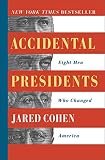
Consider Accidental Presidents by Jared Cohen. Recommended by 10 sources.
“Accidental Presidents offers eight narrative portraits of men who succeeded to the U.S. presidency without election, using anecdote-rich scenes and readable context to show how personality and circumstance interact with office power. It’s strongest as a set of self-contained stories that make succession stakes concrete for non-specialist readers; it does not prioritize dense archival argument or exhaustive methodology, so expect some interpretive generalizations and repeated themes across cases. Use it for fast historical orientation rather than scholarly deep-dives.”
Similar books


How recommendation signals are reviewed
Each recommendation is collected from a public source — interviews, articles, or curated lists — and linked to its original URL. Books with many verifiable recommendations from respected people rank higher.