
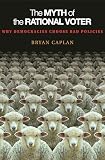
The Myth of the Rational Voter
Why Democracies Choose Bad Policies New Edition
by Bryan Caplan

1 more
More Recommenders
“@Bruno_Nardi On many specific issues, intellectual elites are actually more profreedom than most others. @bryan_caplan has some good stats on this. Recommend reading The Myth of the Rational Voter. | @punk6529 Great books on this concept: The Myth of the Rational Voter The Machiavellians: Defenders of Freedom | The Myth of the Rational Voter by @bryan_caplan "The median American is a moderate national socialist – statist to the core on both economic and social policy. Given public opinion, the policies of First World democracies are surprisingly libertarian."”
Source →Recommended by 3 notable people, including Marc Andreessen and Ryan Shea
Check price on AmazonProof-backed recommendation
Amazon availability
Reading Profile
Should I read this?
Bryan Caplan makes a forceful case that ordinary voters' misconceptions — not just interest groups — drive poor economic policy. The book feels like a sequence of pointed essays: data, thought experiments, and blunt assertions piled to shock and provoke. Its useful part is a compact set of contestable claims you can carry into classroom debates or policy conversations. Its main limitation is tone: polemical and repetitive, with many chapters restating the same core argument rather than offering nuanced case studies.
Read this if...
- •policy analyst writing memos on tax or welfare reform who needs a sharp, debate-ready list of voter biases to cite when anticipating public objections.
- •campaign strategist testing message priorities for a candidate who wants to know which popular misperceptions are most resistant to correction and therefore need direct rebuttal or avoidance.
- •graduate student in political economy preparing a seminar paper who wants a clear, provocative thesis to critique, reproduce, or push back against in class discussion.
Skip this if...
- •You want human-scale journalism or empathetic voter profiles — you'll likely put it down when chapters shift into repeated statistical argument and polemic rather than lived stories.
- •You prefer even-handed, conciliatory treatments of political disagreement — Caplan's libertarian-leaning, combative tone can feel preachy and one-sided.
- •You were hoping for practical exercises or a guide to changing public opinion — no exercises and little tactical how-to content; it's an argumentative diagnosis, not a how-to manual.
The greatest obstacle to sound economic policy is not entrenched special interests or rampant lobbying, but the popular misconceptions, irrational beliefs, and personal biases held by ordinary voters. This is economist Bryan Caplan's sobering assessment in this provocative and eyeopening book. Caplan argues that voters continually elect politician...
Before You Buy
Reading Specifications
Difficulty:easy
Audience Fit
- policy analyst writing memos on tax or welfare reform who needs a sharp, debate-ready list of voter biases to cite when anticipating public objections.
- campaign strategist testing message priorities for a candidate who wants to know which popular misperceptions are most resistant to correction and therefore need direct rebuttal or avoidance.
- graduate student in political economy preparing a seminar paper who wants a clear, provocative thesis to critique, reproduce, or push back against in class discussion.
- You want human-scale journalism or empathetic voter profiles — you'll likely put it down when chapters shift into repeated statistical argument and polemic rather than lived stories.
- You prefer even-handed, conciliatory treatments of political disagreement — Caplan's libertarian-leaning, combative tone can feel preachy and one-sided.
- You were hoping for practical exercises or a guide to changing public opinion — no exercises and little tactical how-to content; it's an argumentative diagnosis, not a how-to manual.
Check formats, pricing, and availability options for Kindle, physical print, or audiobooks directly.
View available editions on AmazonKey themes
Why recommended
Recommended by 5 sources and appears in Libertarian, Libertarianism, and Most Recommended Books.
Recommended by notable people
People and public figures who have recommended this book.
Recommendation Signals
Recommendation proof is sourced from public posts, interviews, reading lists, and cited references.
Vitalik Buterin
“@Bruno_Nardi On many specific issues, intellectual elites are actually more profreedom than most others. @bryan_caplan has some good stats on this. Recommend reading The Myth of the Rational Voter. | @punk6529 Great books on this concept: The Myth of the Rational Voter The Machiavellians: Defenders of Freedom | The Myth of the Rational Voter by @bryan_caplan "The median American is a moderate national socialist – statist to the core on both economic and social policy. Given public opinion, the policies of First World democracies are surprisingly libertarian."”
View sources (3) ▾80%
Appears In
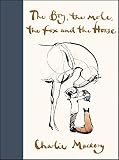
Not sure if this is the right fit?
Consider The Boy, the Mole, the Fox and the Horse by Charlie Mackesy. Recommended by 8 sources.
“Soft-spoken, heavily illustrated fable built from short dialogues and watercolor sketches. Each spread pairs a spare line of text with a loose drawing, so the pleasure is visual and aphoristic rather than narrative; readers collect felt-true sentences more than plot. Most useful when you want quick consolations, a prompt for conversation with a child, or a pause during a rough day. Limiting if you want sustained argument, concrete advice, or tightly plotted storytelling: the repetition of gentleness can feel sentimental or thin after a while.”
Similar books
The Boy, the Mole, the Fox and the Horse
Charlie Mackesy
The World as It Is
Ben Rhodes
Out of Control
Kevin Kelly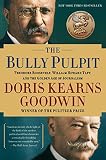
The Bully Pulpit
Doris Kearns Goodwin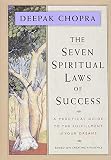
The Seven Spiritual Laws of Success
Deepak Chopra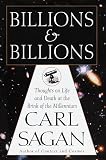
Billions and Billions
Carl Sagan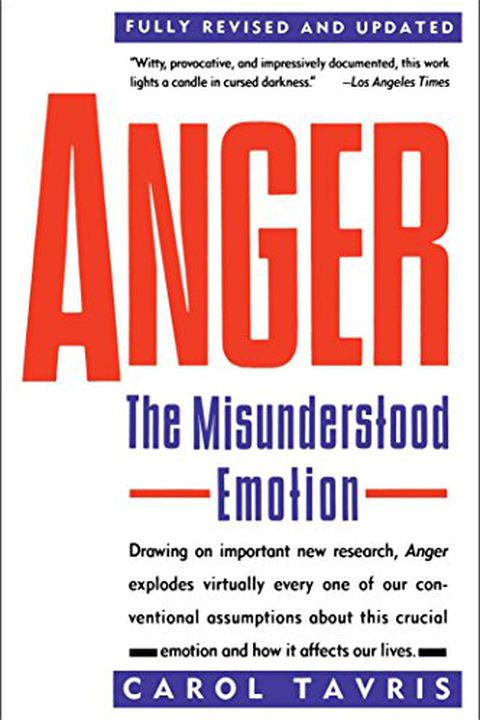
Anger
Gary ChapmanFactfulness
Hans RoslingHow recommendation signals are reviewed
Each recommendation is collected from a public source — interviews, articles, or curated lists — and linked to its original URL. Books with many verifiable recommendations from respected people rank higher.