
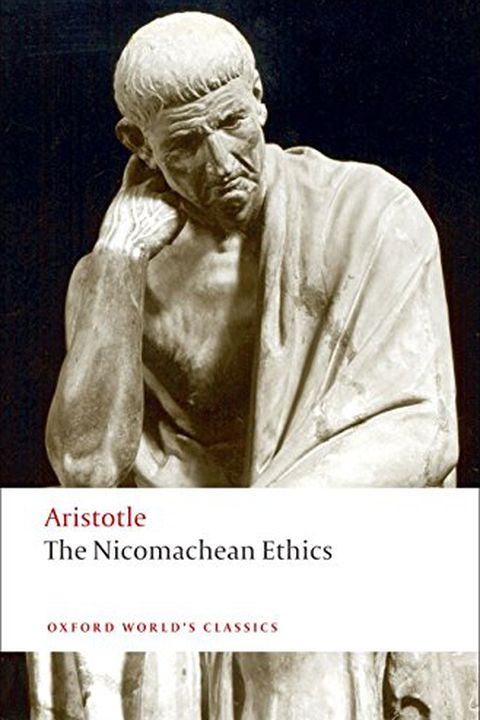
The Nicomachean Ethics
by Aristotle
Reading Profile
Should I read this?
Aristotle's Nicomachean Ethics argues that happiness (eudaimonia) is a distinctive, well-lived way of life achieved through cultivated virtues and practical judgment. The text mixes concrete examples, ethical distinctions, and sustained argument, so what works best is a durable vocabulary for talking about character, choice, and civic responsibility. Expect long stretches of abstract reasoning, repeated points, and translation-sensitivity; these make patient reading or a guided class more rewarding than casual browsing. Useful for sharpening moral questions, less useful for step-by-step life hacks.
Read this if...
- •A college student in a philosophy seminar on virtue ethics who needs the original arguments about eudaimonia and how virtues form character.
- •A mid-career manager facing recurrent leadership dilemmas who wants to reflect on responsibility and practical judgment beyond checklists and techniques.
- •Someone reassessing life priorities after a major change who wants a long-term moral vocabulary about flourishing rather than immediate emotional fixes.
Skip this if...
- •You'll likely put it down when long, abstract sections about causes and the soul pile up — if you want quick, actionable steps, this will lose you.
- •Annoying if you prefer modern psychological explanations; the text uses ancient categories and ethical argument rather than contemporary psychology.
- •Frustrating if archaic language or jumpy translations bother you — assumed background and period vocabulary can feel inaccessible without notes.
Happiness, then, is the best, noblest, and most pleasant thing in the world.'In the Nicomachean Ethics Aristotle's guiding question is: what is the best thing for a human being His answer is happiness, but he means, not something we feel, but rather a specially good kind of life. Happiness is made up of activities in which we use the best human c...
Before You Buy
Reading Specifications
Difficulty:hard
Audience Fit
- A college student in a philosophy seminar on virtue ethics who needs the original arguments about eudaimonia and how virtues form character.
- A mid-career manager facing recurrent leadership dilemmas who wants to reflect on responsibility and practical judgment beyond checklists and techniques.
- Someone reassessing life priorities after a major change who wants a long-term moral vocabulary about flourishing rather than immediate emotional fixes.
- You'll likely put it down when long, abstract sections about causes and the soul pile up — if you want quick, actionable steps, this will lose you.
- Annoying if you prefer modern psychological explanations; the text uses ancient categories and ethical argument rather than contemporary psychology.
- Frustrating if archaic language or jumpy translations bother you — assumed background and period vocabulary can feel inaccessible without notes.
Check formats, pricing, and availability options for Kindle, physical print, or audiobooks directly.
View available editions on AmazonKey themes
Why recommended
Recommended by 1 source and appears in Ethics, Politics, and Philosophy.
Recommended by notable people
People and public figures who have recommended this book.
Recommendation Signals
Recommendation proof is sourced from public posts, interviews, reading lists, and cited references.
Mark Manson
“Here?s my list for the best books in philosophy, in no particular order. | Here’s my list for the best books in philosophy, in no particular order.”
Appears In
Not sure if this is the right fit?
Consider The Boy, the Mole, the Fox and the Horse by Charlie Mackesy. Recommended by 8 sources.
“Soft-spoken, heavily illustrated fable built from short dialogues and watercolor sketches. Each spread pairs a spare line of text with a loose drawing, so the pleasure is visual and aphoristic rather than narrative; readers collect felt-true sentences more than plot. Most useful when you want quick consolations, a prompt for conversation with a child, or a pause during a rough day. Limiting if you want sustained argument, concrete advice, or tightly plotted storytelling: the repetition of gentleness can feel sentimental or thin after a while.”
Similar books
The Boy, the Mole, the Fox and the Horse
Charlie Mackesy
The World as It Is
Ben Rhodes
Out of Control
Kevin Kelly
The Bully Pulpit
Doris Kearns Goodwin
The Seven Spiritual Laws of Success
Deepak Chopra
Billions and Billions
Carl Sagan
Anger
Gary ChapmanFactfulness
Hans RoslingHow recommendation signals are reviewed
Each recommendation is collected from a public source — interviews, articles, or curated lists — and linked to its original URL. Books with many verifiable recommendations from respected people rank higher.