
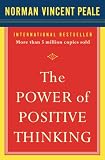
The Power of Positive Thinking
by Norman Vincent Peale
Reading Profile
Should I read this?
Written in mid-20th-century plain prose, this book delivers short chapters of earnest, faith-centered pep talks, affirmations, and anecdotal examples meant to lift outlook through repeated practice. The most useful moments are the memorable lines and simple routines you can borrow when you need a quick morale lift. Limitations: it leans heavily on faith as the primary remedy, repeats similar stories and lines, and uses dated phrasing that can feel simplistic to readers seeking contemporary psychological language or step-by-step techniques.
Read this if...
- •a mid-career professional re-entering the job market who needs a morale reset—short chapters and ready-made affirmations are easy to read between interviews or before networking calls
- •a small-group religious leader preparing brief, uplifting remarks for weekly meetings—material supplies quotable lines and faith-friendly examples to adapt into short talks
- •a commuter or morning-routine reader who wants short, portable mood lifts—chapters are self-contained and easy to dip into for 10–20 minutes
Skip this if...
- •you'll likely put it down when the anecdote-plus-affirmation pattern repeats and faith is presented as a catch-all solution; repetition is the main drop-off point
- •annoying if you prefer modern psychological grounding or nuanced explanation—the text favors exhortation and stories over mechanisms or careful caveats
- •not suitable if you want hands-on exercises or a sequential program—it lacks hands-on exercises and reads as encouragement and anecdote rather than practical steps
"This book is written with the sole objective of helping the reader achieve a happy, satisfying, and worthwhile life." Norman Vincent PealeThe precursor to The Secret, The Power of Positive Thinking has helped millions of men and women to achieve fulfillment in their lives. In this phenomenal bestseller, Dr. Peale demonstrates the power of faith...
Before You Buy
Reading Specifications
Difficulty:hard
Audience Fit
- a mid-career professional re-entering the job market who needs a morale reset—short chapters and ready-made affirmations are easy to read between interviews or before networking calls
- a small-group religious leader preparing brief, uplifting remarks for weekly meetings—material supplies quotable lines and faith-friendly examples to adapt into short talks
- a commuter or morning-routine reader who wants short, portable mood lifts—chapters are self-contained and easy to dip into for 10–20 minutes
- you'll likely put it down when the anecdote-plus-affirmation pattern repeats and faith is presented as a catch-all solution; repetition is the main drop-off point
- annoying if you prefer modern psychological grounding or nuanced explanation—the text favors exhortation and stories over mechanisms or careful caveats
- not suitable if you want hands-on exercises or a sequential program—it lacks hands-on exercises and reads as encouragement and anecdote rather than practical steps
Check formats, pricing, and availability options for Kindle, physical print, or audiobooks directly.
View available editions on AmazonKey themes
Why recommended
Recommended by 2 sources and appears in Positivity, Goal Setting, and Self Improvement.
Recommended by notable people
People and public figures who have recommended this book.
Recommendation Signals
Recommendation proof is sourced from public posts, interviews, reading lists, and cited references.
Steve Harvey
“I recommend two books, these books changed my life. 'The Power of Positive Thinking by Norman Vincent Peale, this is a powerful book. 'The Magic of Thinking Big' by David Swartz.”
Appears In
Not sure if this is the right fit?
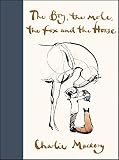
Consider The Boy, the Mole, the Fox and the Horse by Charlie Mackesy. Recommended by 8 sources.
“Soft-spoken, heavily illustrated fable built from short dialogues and watercolor sketches. Each spread pairs a spare line of text with a loose drawing, so the pleasure is visual and aphoristic rather than narrative; readers collect felt-true sentences more than plot. Most useful when you want quick consolations, a prompt for conversation with a child, or a pause during a rough day. Limiting if you want sustained argument, concrete advice, or tightly plotted storytelling: the repetition of gentleness can feel sentimental or thin after a while.”
Similar books
The Boy, the Mole, the Fox and the Horse
Charlie Mackesy
The World as It Is
Ben Rhodes
Out of Control
Kevin Kelly
The Bully Pulpit
Doris Kearns Goodwin
The Seven Spiritual Laws of Success
Deepak Chopra
Billions and Billions
Carl Sagan
Anger
Gary ChapmanFactfulness
Hans RoslingHow recommendation signals are reviewed
Each recommendation is collected from a public source — interviews, articles, or curated lists — and linked to its original URL. Books with many verifiable recommendations from respected people rank higher.