
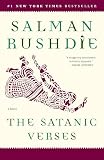
The Satanic Verses
A Novel
by Salman Rushdie
Recommended by Susan J. Fowler and Christopher Hitchens
Check price on AmazonProof-backed recommendation
Amazon availability
Reading Profile
Should I read this?
Rushdie's novel drops you into a noisy, hallucinatory narrative where magical episodes and gritty London life collide. Its strength is energetic, language-driven storytelling that weaves immigrant identity, faith, and storytelling into sudden surreal scenes; reading rewards attention to wordplay and layered episodes. Limitations: long digressions, shifting voices, and provocative religious material can feel overwhelming or gratuitously confrontational. Better taken slowly; readers looking for linear plots or gentle pacing may find it repetitive and opaque.
Read this if...
- •a graduate student in comparative literature writing a paper on postcolonial narrative techniques, because the book is full of allusion, narrative layering, and formal risk to analyze closely
- •a cultural journalist covering immigrant communities in a global city, who wants vivid, scene-driven material that dramatizes exile, hybridity, and urban mythmaking
- •a book-club leader preparing to moderate debates about art and religion, since the novel reliably sparks argument about fiction's responsibilities and limits
Skip this if...
- •you'll likely put it down when the plot fragments and long theological or literary digressions interrupt momentum — that mid-section slowdown is a common drop-off point
- •annoying if you prefer straightforward realism and clear moral positions, because the novel delights in ambiguity, surreal detours, and moral messiness
- •not for readers easily offended by provocative religious material or confrontational satire; the book can feel deliberately provocative and unrelenting
One of the most controversial and acclaimed novels ever written, The Satanic Verses is Salman Rushdies bestknown and most galvanizing book. Set in a modern world filled with both mayhem and miracles, the story begins with a bang: the terrorist bombing of a Londonbound jet in midflight. Two Indian actors of opposing sensibilities fall to earth, tr...
Before You Buy
Reading Specifications
Difficulty:hard
Audience Fit
- a graduate student in comparative literature writing a paper on postcolonial narrative techniques, because the book is full of allusion, narrative layering, and formal risk to analyze closely
- a cultural journalist covering immigrant communities in a global city, who wants vivid, scene-driven material that dramatizes exile, hybridity, and urban mythmaking
- a book-club leader preparing to moderate debates about art and religion, since the novel reliably sparks argument about fiction's responsibilities and limits
- you'll likely put it down when the plot fragments and long theological or literary digressions interrupt momentum — that mid-section slowdown is a common drop-off point
- annoying if you prefer straightforward realism and clear moral positions, because the novel delights in ambiguity, surreal detours, and moral messiness
- not for readers easily offended by provocative religious material or confrontational satire; the book can feel deliberately provocative and unrelenting
Check formats, pricing, and availability options for Kindle, physical print, or audiobooks directly.
View available editions on AmazonKey themes
Why recommended
Recommended by 3 sources and appears in Most Recommended Books, Fantasy, and Fiction.
Recommended by notable people
People and public figures who have recommended this book.
Recommendation Signals
Recommendation proof is sourced from public posts, interviews, reading lists, and cited references.
Susan J. Fowler
“After reading this (and being completely blown away by its brilliance), I marveled at how different the Quran must be from the Bible, how different Islam must be from Christianity, to have inspired this book, and thus began my introduction to the religions of the world.”
Appears In
Not sure if this is the right fit?
Consider The Republic by Plato. Recommended by 13 sources.
“Plato stages an extended Socratic conversation that moves from concrete questions about justice into broad proposals about an ideal city, the structure of the soul, and what counts as reality and knowledge. Reading alternates brisk question-and-answer snippets with long, cumulative demonstrations that reward careful attention and annotation. Main value: a wealth of thought experiments for testing political and ethical intuitions. Main limitation: repetitive refutations, long policy sketches and dense metaphysical passages can feel abstruse and slow; patience and some philosophical background help.”
Similar books
How recommendation signals are reviewed
Each recommendation is collected from a public source — interviews, articles, or curated lists — and linked to its original URL. Books with many verifiable recommendations from respected people rank higher.