
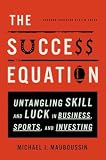
The Success Equation
Untangling Skill and Luck in Business, Sports, and Investing
by Michael J. Mauboussin
1 more
More Recommenders
“@dwr | @mjmauboussin @paulatwal @erik_udahl +1. The entire book is exceptional.”
Source →Recommended by 3 notable people, including Keith Rabois and Sahil Bloom
Check price on AmazonProof-backed recommendation
Amazon availability
Reading Profile
Should I read this?
This is a clear-headed, example-rich take on when outcomes come from skill and when they come from luck, aimed at people who make decisions under uncertainty. Mauboussin mixes real-world stories with simple probabilistic reasoning to show why outcomes mislead and how to look for signal amid noise. The most useful parts are rules of thumb for judging repeatability and when to assign credit. Limiting factor: it leans toward analytic cases and can feel repetitive if you want quick, prescriptive steps.
Read this if...
- •a product manager at a mid-size company deciding whether recent sales gains are repeatable — helps form clearer attributions and guard against mistaking luck for skill
- •an investor or financial-analyst weighing whether a fund manager’s hot streak reflects skill or market noise — provides language and heuristics for assessing repeatability
- •a team leader choosing promotions after a high-profile project win — useful for tempering instinctive crediting and designing fair evaluation questions
Skip this if...
- •you’ll likely put it down when detailed probability examples and repeated points pile up — readers wanting fast takeaways may lose patience in the middle sections
- •annoying if you prefer prescriptive checklists or hands-on exercises — the book offers analytic guidance and heuristics but lacks step-by-step tools
- •you’ll lose interest if you dislike analytic repetition or sustained emphasis on attribution; the author revisits similar distinctions between skill and luck throughout, which can feel redundant
“Much of what we experience in life results from a combination of skill and luck.” — From the Introduction The trick, of course, is figuring out just how many of our successes (and failures) can be attributed to each—and how we can learn to tell the difference ahead of time . In most domains of life, skill and luck seem hopeles...
Before You Buy
Reading Specifications
Difficulty:hard
Audience Fit
- a product manager at a mid-size company deciding whether recent sales gains are repeatable — helps form clearer attributions and guard against mistaking luck for skill
- an investor or financial-analyst weighing whether a fund manager’s hot streak reflects skill or market noise — provides language and heuristics for assessing repeatability
- a team leader choosing promotions after a high-profile project win — useful for tempering instinctive crediting and designing fair evaluation questions
- you’ll likely put it down when detailed probability examples and repeated points pile up — readers wanting fast takeaways may lose patience in the middle sections
- annoying if you prefer prescriptive checklists or hands-on exercises — the book offers analytic guidance and heuristics but lacks step-by-step tools
- you’ll lose interest if you dislike analytic repetition or sustained emphasis on attribution; the author revisits similar distinctions between skill and luck throughout, which can feel redundant
Check formats, pricing, and availability options for Kindle, physical print, or audiobooks directly.
View available editions on AmazonKey themes
Why recommended
Recommended by 3 sources and appears in Finance, Psychology, and Business.
Recommended by notable people
People and public figures who have recommended this book.
Recommendation Signals
Recommendation proof is sourced from public posts, interviews, reading lists, and cited references.

Keith Rabois
Technology executive and investor
“@dwr | @mjmauboussin @paulatwal @erik_udahl +1. The entire book is exceptional.”
View sources (2) ▾80%
Appears In
Not sure if this is the right fit?
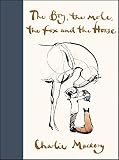
Consider The Boy, the Mole, the Fox and the Horse by Charlie Mackesy. Recommended by 8 sources.
“Soft-spoken, heavily illustrated fable built from short dialogues and watercolor sketches. Each spread pairs a spare line of text with a loose drawing, so the pleasure is visual and aphoristic rather than narrative; readers collect felt-true sentences more than plot. Most useful when you want quick consolations, a prompt for conversation with a child, or a pause during a rough day. Limiting if you want sustained argument, concrete advice, or tightly plotted storytelling: the repetition of gentleness can feel sentimental or thin after a while.”
Similar books
The Boy, the Mole, the Fox and the Horse
Charlie Mackesy
The World as It Is
Ben Rhodes
Out of Control
Kevin Kelly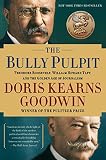
The Bully Pulpit
Doris Kearns Goodwin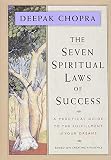
The Seven Spiritual Laws of Success
Deepak Chopra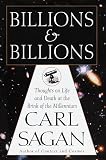
Billions and Billions
Carl Sagan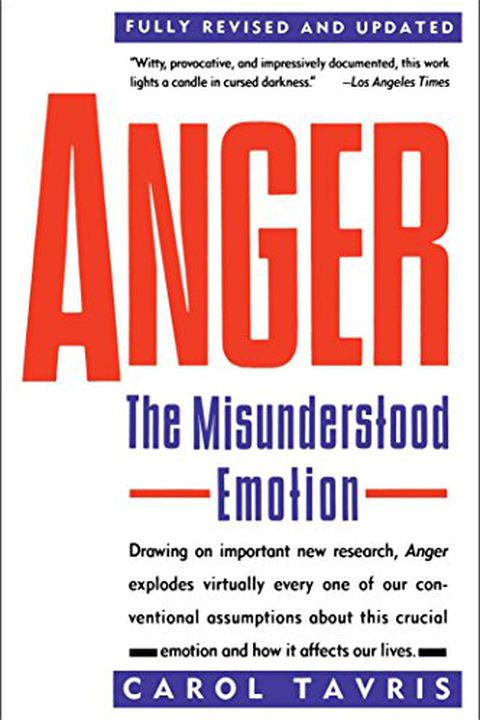
Anger
Gary ChapmanFactfulness
Hans RoslingHow recommendation signals are reviewed
Each recommendation is collected from a public source — interviews, articles, or curated lists — and linked to its original URL. Books with many verifiable recommendations from respected people rank higher.