
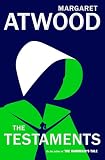
The Testaments
The Sequel to The Handmaid's Tale
by Margaret Atwood
1 more
More Recommenders
“The book may surprise readers who wondered, when the sequel was announced, whether Atwood was making a mistake in returning to her earlier work. It seems to have another aim as well: to help us see more clearly the kinds of complicity required for constructing a world like the one she had already imagined, and the world we fear our own might become.”
Source →Recommended by 3 notable people, including Zoë Foster Blake and Jia Tolentino
Check price on AmazonProof-backed recommendation
Amazon availability
Reading Profile
Should I read this?
Margaret Atwood returns to a previously established dystopian setting and follows three female narrators whose written accounts drive forward the plot and reveal consequences fifteen years later. The novel is more overtly plot-focused than elliptical, trading some of the earlier novel's atmosphere for clearer narrative payoff and political maneuvering. Strength lies in the shifting viewpoints and courtroom/testimony feel that accelerate toward a tidy resolution. Limitation: readers seeking subtlety or lean lyricism will find recurring exposition and occasional moralizing that slows the momentum.
Read this if...
- •a book-club organizer preparing a structured discussion about sequels and accountability — the multiple testimony voices supply clear scenes and debateable moral choices to assign for discussion
- •a graduate student tracing representations of gendered power in contemporary dystopian fiction — the sequel’s direct treatment of institutional mechanics gives concrete material to compare with other texts
- •a reader who values plot momentum and wants a weekend binge read — alternating narrators and episodic chapters make it easy to keep turning pages until the resolution
Skip this if...
- •you’ll likely put it down when long expository sections re-state the society’s rules for readers already familiar with the earlier book; those middle chapters can feel repetitive and slow
- •annoying if you prefer spare, ambiguous endings — the sequel aims for clearer answers and can feel didactic about moral positions
- •friction for readers who dislike shifting perspectives or epistolary/testimony formats — frequent voice changes and formal-sounding ‘testament’ passages break narrative immersion
When the van door slammed on Offred's future at the end of The Handmaid's Tale, readers had no way of telling what lay ahead for herfreedom, prison or death.With The Testaments, the wait is over.Margaret Atwood's sequel picks up the story more than fifteen years after Offred stepped into the unknown, with the explosive testaments of three female ...
Before You Buy
Reading Specifications
Difficulty:hard
Audience Fit
- a book-club organizer preparing a structured discussion about sequels and accountability — the multiple testimony voices supply clear scenes and debateable moral choices to assign for discussion
- a graduate student tracing representations of gendered power in contemporary dystopian fiction — the sequel’s direct treatment of institutional mechanics gives concrete material to compare with other texts
- a reader who values plot momentum and wants a weekend binge read — alternating narrators and episodic chapters make it easy to keep turning pages until the resolution
- you’ll likely put it down when long expository sections re-state the society’s rules for readers already familiar with the earlier book; those middle chapters can feel repetitive and slow
- annoying if you prefer spare, ambiguous endings — the sequel aims for clearer answers and can feel didactic about moral positions
- friction for readers who dislike shifting perspectives or epistolary/testimony formats — frequent voice changes and formal-sounding ‘testament’ passages break narrative immersion
Check formats, pricing, and availability options for Kindle, physical print, or audiobooks directly.
View available editions on AmazonKey themes
Why recommended
Recommended by 3 sources and appears in Feminist and Fiction.
Recommended by notable people
People and public figures who have recommended this book.
Recommendation Signals
Recommendation proof is sourced from public posts, interviews, reading lists, and cited references.
Jia Tolentino
“The book may surprise readers who wondered, when the sequel was announced, whether Atwood was making a mistake in returning to her earlier work. It seems to have another aim as well: to help us see more clearly the kinds of complicity required for constructing a world like the one she had already imagined, and the world we fear our own might become.”
Appears In
Not sure if this is the right fit?
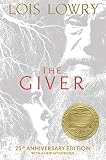
Consider The Giver by Lois Lowry. Recommended by 6 sources.
“Lois Lowry uses spare, plain prose to center a single conceit: a supposedly ideal community that controls emotion and memory. The story follows twelve-year-old Jonas as small revelations accumulate into a sharp ethical dilemma, which makes the book useful for conversation and classroom discussion. Its limitation is emotional restraint and deliberate vagueness—many details and characters stay underdefined—so readers who want rich sensory worldbuilding or a tidy conclusion may feel unsatisfied.”
Similar books
How recommendation signals are reviewed
Each recommendation is collected from a public source — interviews, articles, or curated lists — and linked to its original URL. Books with many verifiable recommendations from respected people rank higher.