
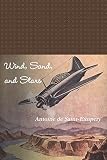
Wind, Sand, and Stars
by Antoine de SaintExupery
Recommended by Naval Ravikant and Edward Norton
Check price on AmazonProof-backed recommendation
Amazon availability
Reading Profile
Should I read this?
Wind, Sand, and Stars reads like a reflective pilot's memoir stitched from flying anecdotes, travel scenes, and philosophical asides. Antoine de SaintExupery uses crisp, often lyrical prose to turn cockpit incidents into ethical and existential reflections; what works best is the sustained atmosphere—how risk, solitude, and landscape reshape perspective. Its main limitation is repetition and occasional abstraction: motifs recur until they feel insisted-upon, so readers wanting strict chronology or nonstop action may find the pace contemplative and diffuse.
Read this if...
- •an amateur pilot planning long solo flights who wants vivid, atmospheric accounts of early mail aviation and thoughtful reflections on risk and responsibility
- •a freelance travel writer between projects who needs scene-rich, lyrical passages to reset a jaded travel palate and remind them why landscape matters
- •a software engineer commuting who prefers short, poetic nonfiction that connects technical workdays to wider questions about solitude, courage, and human limits
Skip this if...
- •you'll likely put it down when a dramatic air incident is followed by a long philosophical digression—annoying if you want continuous plot or tight chronology
- •annoying if you want technical aviation detail or modern reporting: prose is impressionistic, not a pilot manual or contemporary history
- •you'll lose interest if repetition bothers you: key images and aphorisms repeat and can feel insistent rather than cumulative
Exupery was a prizewinning novelist, professional mail pilot, airborne adventurer, war correspondent, commercial test pilot, and the author of a popular children's book The Little Prince. Wind, Sand, and Stars more than all the others is a synthesis of his skill as a writer and his life as a flier. It is a collage of anecdotes, speculations and pe...
Before You Buy
Reading Specifications
Difficulty:easy
Audience Fit
- an amateur pilot planning long solo flights who wants vivid, atmospheric accounts of early mail aviation and thoughtful reflections on risk and responsibility
- a freelance travel writer between projects who needs scene-rich, lyrical passages to reset a jaded travel palate and remind them why landscape matters
- a software engineer commuting who prefers short, poetic nonfiction that connects technical workdays to wider questions about solitude, courage, and human limits
- you'll likely put it down when a dramatic air incident is followed by a long philosophical digression—annoying if you want continuous plot or tight chronology
- annoying if you want technical aviation detail or modern reporting: prose is impressionistic, not a pilot manual or contemporary history
- you'll lose interest if repetition bothers you: key images and aphorisms repeat and can feel insistent rather than cumulative
Check formats, pricing, and availability options for Kindle, physical print, or audiobooks directly.
View available editions on AmazonKey themes
Why recommended
Recommended by 2 sources and appears in Nonfiction Adventure, Adventure, and Travel.
Recommended by notable people
People and public figures who have recommended this book.
Recommendation Signals
Recommendation proof is sourced from public posts, interviews, reading lists, and cited references.

Naval Ravikant
Co-founder of AngelList; angel investor
“@toddfcole One of my all time favorite books. I quote it all the time. | A great book.”
View sources (2) ▾80%
Appears In
Not sure if this is the right fit?
Consider Accidental Presidents by Jared Cohen. Recommended by 10 sources.
“Accidental Presidents offers eight narrative portraits of men who succeeded to the U.S. presidency without election, using anecdote-rich scenes and readable context to show how personality and circumstance interact with office power. It’s strongest as a set of self-contained stories that make succession stakes concrete for non-specialist readers; it does not prioritize dense archival argument or exhaustive methodology, so expect some interpretive generalizations and repeated themes across cases. Use it for fast historical orientation rather than scholarly deep-dives.”
Similar books

How recommendation signals are reviewed
Each recommendation is collected from a public source — interviews, articles, or curated lists — and linked to its original URL. Books with many verifiable recommendations from respected people rank higher.