
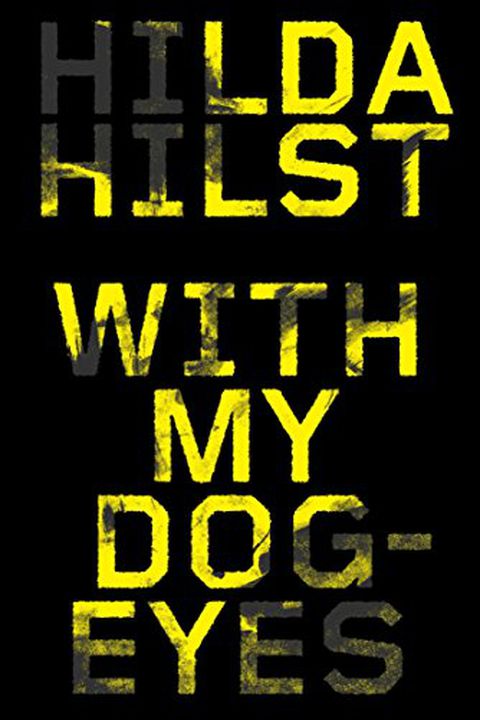
With My Dog Eyes
A Novel
by Hilda Hilst
Reading Profile
Should I read this?
Short and elliptical, this work centers a university mathematics professor's growing disgust with domestic comfort and his mounting inability to speak. Sentences trail off and scenes accumulate by tone rather than by plot, so the reward is a concentrated, language-first portrait of interior disintegration. Useful as a compact example of risky, fragmentary prose and emotional claustrophobia. Limitation: repeated elliptical gestures and sparse motivation can feel opaque or self-indulgent for readers who want narrative clarity or conventional character arcs.
Read this if...
- •graduate-student teaching a seminar on experimental prose who is assembling a single-class close-reading session and needs a short, compact Brazilian text to dissect fragmentary syntax, trailing sentences, and interior monologue—fits now because it can be read and annotated by the whole class in advance without asking students to commit to a long novel.
- •literary-translator working from Portuguese who is building a translation sample or portfolio and wants concentrated, high-intensity passages to practice rendering ellipses, tonal shifts, and interrupted thought—useful now because the book's short length lets you produce a polished sample without a months-long project.
- •novelist revising voice who is stuck on a middle section and needs a tight model of how to sustain mood through syntax rather than plot—good now since the book provides examples you can study in one or two sessions and then experiment with in your draft immediately.
Skip this if...
- •you'll likely put it down when the syntax splits apart and sentences repeatedly trail into silence, making narrative continuity hard to follow.
- •annoying if you prefer plot-driven novels with clear motives, tidy resolutions, or conventional character development—this is thin on causal explanation.
- •not for readers seeking practical guidance or exercises; the book lacks hands-on exercises and is all literary atmosphere and form.
A short, stunning book by a Brazilian master of the avantgarde.Something has changed in Amos Keres, a university mathematics professor?his sentences trail off in class, he is disgusted by the sight of his wife and son, and he longs to flee the comfortable bourgeois life he finds himself a part of. Most difficult of all are his struggles to express...
Before You Buy
Reading Specifications
Difficulty:hard
Audience Fit
- graduate-student teaching a seminar on experimental prose who is assembling a single-class close-reading session and needs a short, compact Brazilian text to dissect fragmentary syntax, trailing sentences, and interior monologue—fits now because it can be read and annotated by the whole class in advance without asking students to commit to a long novel.
- literary-translator working from Portuguese who is building a translation sample or portfolio and wants concentrated, high-intensity passages to practice rendering ellipses, tonal shifts, and interrupted thought—useful now because the book's short length lets you produce a polished sample without a months-long project.
- novelist revising voice who is stuck on a middle section and needs a tight model of how to sustain mood through syntax rather than plot—good now since the book provides examples you can study in one or two sessions and then experiment with in your draft immediately.
- you'll likely put it down when the syntax splits apart and sentences repeatedly trail into silence, making narrative continuity hard to follow.
- annoying if you prefer plot-driven novels with clear motives, tidy resolutions, or conventional character development—this is thin on causal explanation.
- not for readers seeking practical guidance or exercises; the book lacks hands-on exercises and is all literary atmosphere and form.
Check formats, pricing, and availability options for Kindle, physical print, or audiobooks directly.
View available editions on AmazonKey themes
Why recommended
appears in About Brasil and Fiction.
Recommendation Signals
Recommendation proof is sourced from public posts, interviews, reading lists, and cited references.
No verified recommendation proof available yet.
Appears In
Not sure if this is the right fit?
Consider The Republic by Plato. Recommended by 13 sources.
“Plato stages an extended Socratic conversation that moves from concrete questions about justice into broad proposals about an ideal city, the structure of the soul, and what counts as reality and knowledge. Reading alternates brisk question-and-answer snippets with long, cumulative demonstrations that reward careful attention and annotation. Main value: a wealth of thought experiments for testing political and ethical intuitions. Main limitation: repetitive refutations, long policy sketches and dense metaphysical passages can feel abstruse and slow; patience and some philosophical background help.”
Similar books
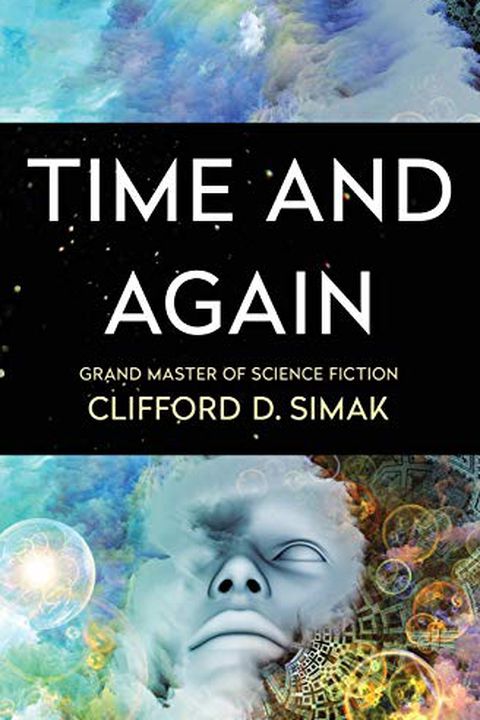
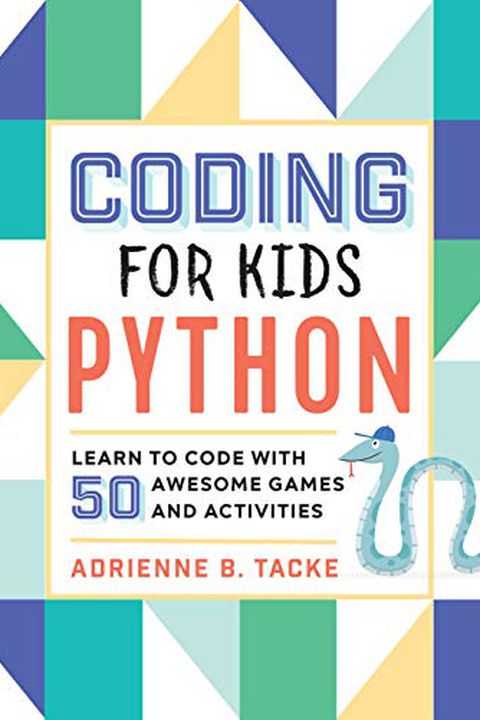

How recommendation signals are reviewed
Each recommendation is collected from a public source — interviews, articles, or curated lists — and linked to its original URL. Books with many verifiable recommendations from respected people rank higher.