
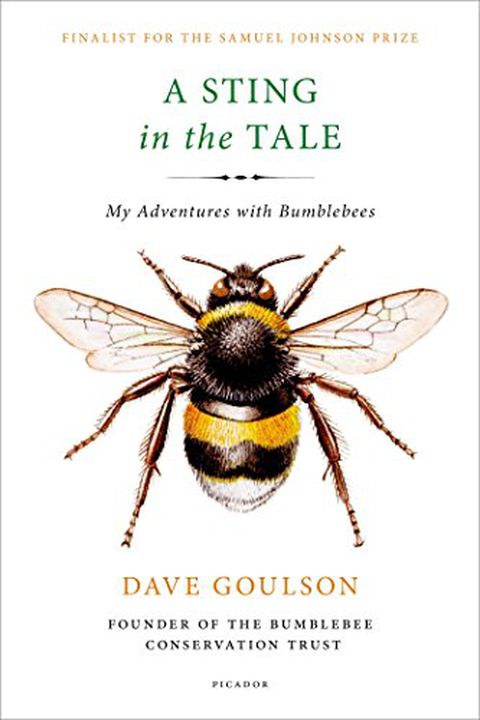
A Sting in the Tale
My Adventures with Bumblebees
by Dave Goulson
Reading Profile
Should I read this?
A Sting in the Tale stitches together childhood mischief, hands-on fieldwork, and straightforward conservation advice into an accessible, often funny portrait of bumblebees and why they matter. The book’s useful part is turning obscure insect lives into memorable scenes and small, actionable steps for gardeners and nature lovers. Its main limitation is uneven depth and occasional repetition: passages that charm can be followed by long lists or procedural descriptions that slow the narrative for readers seeking lean, data-rich prose.
Read this if...
- •a community-garden coordinator launching a pollinator-plot campaign this season — practical anecdotes and planting ideas help you persuade skeptical neighbors and draft a simple planting plan now.
- •a secondary-school biology teacher building a week-long unit on pollination — vivid stories and plain-language explanations provide classroom-ready hooks and discussion prompts without heavy jargon.
- •an urban balcony gardener who wants to start attracting bees this spring — readable examples and low-effort plant suggestions make small, immediate changes feel doable and motivating.
Skip this if...
- •you'll likely put it down when the narrative shifts into extended field methods, species lists, or procedural detail — readers who want a brisk memoir may find these stretches tedious.
- •annoying if you prefer tightly cited, data-heavy science writing; the voice leans anecdotal and persuasive rather than methodical and exhaustive.
- •not for someone looking for a step-by-step how-to or hands-on training — lacks structured exercises, checklists, or formal protocol for conservation projects.
One man's quest to save the bumblebee. Dave Goulson has always been obsessed with wildlife, from his childhood menagerie of exotic pets and dabbling in experimental taxidermy to his groundbreaking research into the mysterious ways of the bumblebee and his mission to protect our rarest bees. Once commonly found in the marshes of Kent, the shorthair...
Before You Buy
Reading Specifications
Difficulty:hard
Audience Fit
- a community-garden coordinator launching a pollinator-plot campaign this season — practical anecdotes and planting ideas help you persuade skeptical neighbors and draft a simple planting plan now.
- a secondary-school biology teacher building a week-long unit on pollination — vivid stories and plain-language explanations provide classroom-ready hooks and discussion prompts without heavy jargon.
- an urban balcony gardener who wants to start attracting bees this spring — readable examples and low-effort plant suggestions make small, immediate changes feel doable and motivating.
- you'll likely put it down when the narrative shifts into extended field methods, species lists, or procedural detail — readers who want a brisk memoir may find these stretches tedious.
- annoying if you prefer tightly cited, data-heavy science writing; the voice leans anecdotal and persuasive rather than methodical and exhaustive.
- not for someone looking for a step-by-step how-to or hands-on training — lacks structured exercises, checklists, or formal protocol for conservation projects.
Check formats, pricing, and availability options for Kindle, physical print, or audiobooks directly.
View available editions on AmazonKey themes
Why recommended
appears in Best Science Books, Science, and Nonfiction.
Recommendation Signals
Recommendation proof is sourced from public posts, interviews, reading lists, and cited references.
No verified recommendation proof available yet.
Appears In
Not sure if this is the right fit?
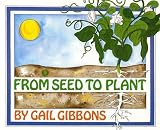
Consider From Seed to Plant by Gail Gibbons.
“Bright, picture-driven, and firmly aimed at early elementary listeners, this book walks through pollination, seed formation, and germination in clear, child-accessible steps. The strongest value is the combination of simple, age-appropriate vocabulary and colorful diagrams that make basic plant processes memorable during a single read-aloud. Its main limitation is scope: adults or older kids seeking depth or experimental instructions will find the text spare and the explanations high-level rather than detailed. No hands-on exercises are provided.”
Similar books
From Seed to Plant
Gail Gibbons
Animalium
Jenny Broom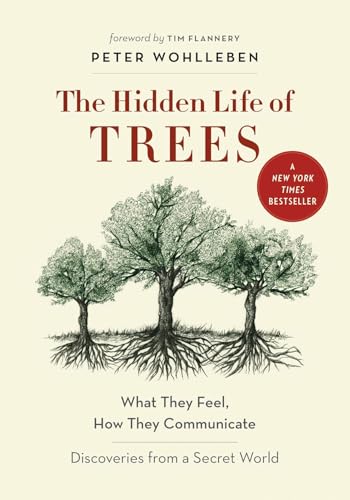
The Hidden Life of Trees
Peter Wohlleben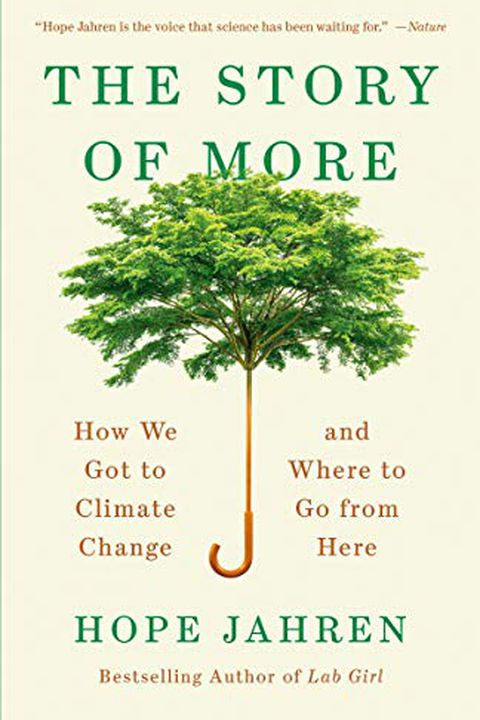
The Story of More
Hope Jahren
National Geographic Rarely Seen
National Geographic
Trees, Leaves & Bark
Diane Burns
Over and Under the Pond
Kate Messner
Tom Brown's Field Guide to Wilderness Survival
Tom Brown Jr.How recommendation signals are reviewed
Each recommendation is collected from a public source — interviews, articles, or curated lists — and linked to its original URL. Books with many verifiable recommendations from respected people rank higher.