
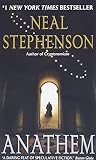
Anathem
by Neal Stephenson
Reading Profile
Should I read this?
Opens like a claustrophobic monastic saga thick with invented rituals and a steep vocabulary that forces slow reading. Midbook the scope expands into broad speculative stakes, but momentum is repeatedly halted by extended debate sections that read like seminar transcripts. Useful payoff: sustained intellectual puzzles and baroque worldbuilding that reward patience and re-reading. Annoying elements: a heavy lexicon, frequent exposition dumps, and emotional distance from characters—readers who want tight, character-first storytelling will likely lose patience.
Read this if...
- •a graduate student in philosophy of science preparing for seminars and wanting fictionalized thought-experiments to test intuitions — the book supplies long dialogues and conceptual puzzles to argue over.
- •a mid-career software engineer or mathematician bored with surface-level SF who wants dense, idea-driven worldbuilding and technical thought experiments to chew on during long commutes or weekend reading sessions.
- •an instructor running a semester-long seminar on science fiction and knowledge who needs a single, dense text to provoke weekly discussions about language, institutions, and cosmology.
Skip this if...
- •you'll likely put it down when the early chapters drown you in invented terms and classroom-style lectures — that opening lexicon hurdle is where most readers lose patience.
- •annoying if you prefer tight, character-driven plots or emotional intimacy; the narrative often prioritizes debates and exposition over personal arcs.
- •frustrating if you want light, quick entertainment or a one-sitting read; pacing is glacial and rewards steady, chunked reading rather than skimming.
For ten years Fraa Erasmas, a young avout, has lived in a cloistered sanctuary for mathematicians, scientists, and philosophers, protected from the corrupting influences of the outside world. But before the week is out, both the existence he abandoned and the one he embraced will stand poised on the brink of cataclysmic changeand Erasmas will becom...
Before You Buy
Reading Specifications
Difficulty:hard
Audience Fit
- a graduate student in philosophy of science preparing for seminars and wanting fictionalized thought-experiments to test intuitions — the book supplies long dialogues and conceptual puzzles to argue over.
- a mid-career software engineer or mathematician bored with surface-level SF who wants dense, idea-driven worldbuilding and technical thought experiments to chew on during long commutes or weekend reading sessions.
- an instructor running a semester-long seminar on science fiction and knowledge who needs a single, dense text to provoke weekly discussions about language, institutions, and cosmology.
- you'll likely put it down when the early chapters drown you in invented terms and classroom-style lectures — that opening lexicon hurdle is where most readers lose patience.
- annoying if you prefer tight, character-driven plots or emotional intimacy; the narrative often prioritizes debates and exposition over personal arcs.
- frustrating if you want light, quick entertainment or a one-sitting read; pacing is glacial and rewards steady, chunked reading rather than skimming.
Check formats, pricing, and availability options for Kindle, physical print, or audiobooks directly.
View available editions on AmazonKey themes
Why recommended
Recommended by 1 source and appears in Space Exploration, Science Fiction, and Science Fiction.
Recommended by notable people
People and public figures who have recommended this book.
Recommendation Signals
Recommendation proof is sourced from public posts, interviews, reading lists, and cited references.
Alex Wellerstein
“@JBWolfsthal @nealstephenson Snow Crash and Diamond Age are the easy ways in. I tend to recommend people start with them. I think his best book is Anathem but if you start with it, you probably won't like it — it's very long, very strange. But rewarding!”
Appears In
Not sure if this is the right fit?
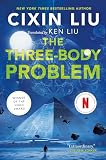
Consider The Three-Body Problem by Cixin Liu. Recommended by 24 sources.
“This novel starts as a mystery rooted in a woman’s tragic experience during China’s Cultural Revolution, then spirals into a high-concept alien contact story built on intricate physics and game theory. The useful part lies in its audacious imagination: a three-body solar system, a virtual reality game, and a shocking revelation about humanity’s place in the universe. The limiting part may be its cold, analytical style and flat characters; emotion takes a backseat to ideas, and the scientific digressions can feel like lectures. It’s a slow burn that rewards intellectual curiosity but might alienate those craving warmth or narrative immediacy.”
Similar books
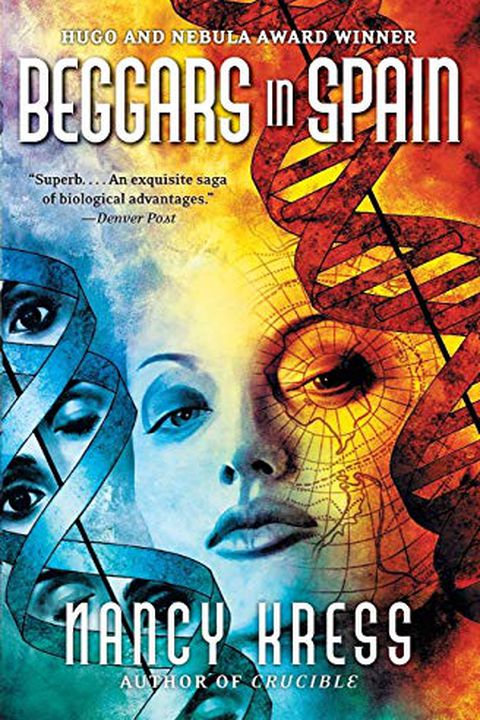
How recommendation signals are reviewed
Each recommendation is collected from a public source — interviews, articles, or curated lists — and linked to its original URL. Books with many verifiable recommendations from respected people rank higher.