
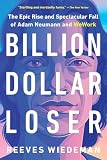
Billion Dollar Loser
The Epic Rise and Spectacular Fall of Adam Neumann and WeWork
by Reeves Wiedeman
Reading Profile
Should I read this?
Begins like a magazine-long narrative and keeps a strong storytelling tempo: scene-by-scene reconstructions, sourced anecdotes, and glossy-brand theatre make the company’s trajectory easy to picture. Most useful are the chapters that dramatize board rooms, investor pitches, and rapid expansion decisions—they convert abstract risk into memorable incidents. Limiting: it leans into anecdote and color over concise financial tables or systematic explanation, so readers seeking lean analysis may find stretches repetitive or light on hard accounting.
Read this if...
- •a corporate governance analyst at a mid-size firm making the case for stronger board controls, because the book offers vivid examples of oversight lapses and what those moments looked like in practice
- •an early-stage founder weighing hypergrowth against unit economics, because it provides concrete scenes showing how image-driven scaling can collide with financial reality
- •a business journalist or magazine editor researching startup culture or a scandal feature, because the book supplies narrative scenes, quotes, and episode-driven angles you can mine
Skip this if...
- •you'll likely put it down when the narrative becomes a long sequence of similar fundraising and meeting blow-by-blows — the middle sections can feel anecdote-dense and repetitive
- •annoying if you prefer dry, concise financial analysis or clear spreadsheets — the book prioritizes storytelling over systematic numbers and models
- •frustrating if you want prescriptive takeaways or step-by-step lessons for leaders — it documents what happened more than it prescribes what to do
“Vivid, carefully reported drama that readers will gulp down as if it were a fastpaced novel” (Ken Auletta) The inside story of WeWork and its CEO, Adam Neumann, which tells the remarkable saga of one of the most audacious, and improbable, rises and falls in American business history In its earliest days, WeWork promised the impossible: to mak...
Before You Buy
Reading Specifications
Difficulty:easy
Audience Fit
- a corporate governance analyst at a mid-size firm making the case for stronger board controls, because the book offers vivid examples of oversight lapses and what those moments looked like in practice
- an early-stage founder weighing hypergrowth against unit economics, because it provides concrete scenes showing how image-driven scaling can collide with financial reality
- a business journalist or magazine editor researching startup culture or a scandal feature, because the book supplies narrative scenes, quotes, and episode-driven angles you can mine
- you'll likely put it down when the narrative becomes a long sequence of similar fundraising and meeting blow-by-blows — the middle sections can feel anecdote-dense and repetitive
- annoying if you prefer dry, concise financial analysis or clear spreadsheets — the book prioritizes storytelling over systematic numbers and models
- frustrating if you want prescriptive takeaways or step-by-step lessons for leaders — it documents what happened more than it prescribes what to do
Check formats, pricing, and availability options for Kindle, physical print, or audiobooks directly.
View available editions on AmazonKey themes
Why recommended
Recommended by 1 source and appears in Technology, Business, and Nonfiction.
Recommended by notable people
People and public figures who have recommended this book.
Recommendation Signals
Recommendation proof is sourced from public posts, interviews, reading lists, and cited references.
Samir Arora
“Finished Billion Dollar Loser story of WeWork by @reeveswiedeman Enjoyed all the wild stories about Adam Neumann. Great reading. You will also realize how sane public markets are compared to private equity.”
Appears In
Not sure if this is the right fit?
Consider Steve Jobs by Walter Isaacson. Recommended by 30 sources.
“Isaacson’s biography pulls from numerous interviews to chronicle Steve Jobs’s life, from tech visionary to difficult boss. It shows the obsessive details and blunt personality through testimony from those who worked with him. The narrative can become repetitive with product launches and boardroom conflicts. You may admire the innovation but feel worn down by the extensive accounts of personal callousness and friction. It’s a long, detailed account that demands patience and a tolerance for emotional turbulence.”
Similar books
How recommendation signals are reviewed
Each recommendation is collected from a public source — interviews, articles, or curated lists — and linked to its original URL. Books with many verifiable recommendations from respected people rank higher.