
Steve Jobs
by Walter Isaacson


10 more
More Recommenders
“@thejakeharrison Great book! | For Chesky, a source may come in the form of a biography of a business hero such as Steve Jobs or Walt Disney. | I?m fascinated by the discussion of how Jobs developed what became known as the Reality Distortion Field. Apparently Jobs had a lifelong battle with reality and won. | Nonwork books I've read that I recommend | Quite Interesting | Really did a good job of capturing the way that an innovation leader’s mind works. | When I read this book I was so blown away. I had underlined about threequarters of the book.”
Source →
Founder of Bridgewater Associates
“@thejakeharrison Great book! | For Chesky, a source may come in the form of a biography of a business hero such as Steve Jobs or Walt Disney. | I?m fascinated by the discussion of how Jobs developed what became known as the Reality Distortion Field. Apparently Jobs had a lifelong battle with reality and won. | Nonwork books I've read that I recommend | Quite Interesting | Really did a good job of capturing the way that an innovation leader’s mind works. | When I read this book I was so blown away. I had underlined about threequarters of the book.”
Source →“@thejakeharrison Great book! | For Chesky, a source may come in the form of a biography of a business hero such as Steve Jobs or Walt Disney. | I?m fascinated by the discussion of how Jobs developed what became known as the Reality Distortion Field. Apparently Jobs had a lifelong battle with reality and won. | Nonwork books I've read that I recommend | Quite Interesting | Really did a good job of capturing the way that an innovation leader’s mind works. | When I read this book I was so blown away. I had underlined about threequarters of the book.”
Source →“@thejakeharrison Great book! | For Chesky, a source may come in the form of a biography of a business hero such as Steve Jobs or Walt Disney. | I?m fascinated by the discussion of how Jobs developed what became known as the Reality Distortion Field. Apparently Jobs had a lifelong battle with reality and won. | Nonwork books I've read that I recommend | Quite Interesting | Really did a good job of capturing the way that an innovation leader’s mind works. | When I read this book I was so blown away. I had underlined about threequarters of the book.”
Source →“@thejakeharrison Great book! | For Chesky, a source may come in the form of a biography of a business hero such as Steve Jobs or Walt Disney. | I?m fascinated by the discussion of how Jobs developed what became known as the Reality Distortion Field. Apparently Jobs had a lifelong battle with reality and won. | Nonwork books I've read that I recommend | Quite Interesting | Really did a good job of capturing the way that an innovation leader’s mind works. | When I read this book I was so blown away. I had underlined about threequarters of the book.”
Source →“@thejakeharrison Great book! | For Chesky, a source may come in the form of a biography of a business hero such as Steve Jobs or Walt Disney. | I?m fascinated by the discussion of how Jobs developed what became known as the Reality Distortion Field. Apparently Jobs had a lifelong battle with reality and won. | Nonwork books I've read that I recommend | Quite Interesting | Really did a good job of capturing the way that an innovation leader’s mind works. | When I read this book I was so blown away. I had underlined about threequarters of the book.”
Source →“@thejakeharrison Great book! | For Chesky, a source may come in the form of a biography of a business hero such as Steve Jobs or Walt Disney. | I?m fascinated by the discussion of how Jobs developed what became known as the Reality Distortion Field. Apparently Jobs had a lifelong battle with reality and won. | Nonwork books I've read that I recommend | Quite Interesting | Really did a good job of capturing the way that an innovation leader’s mind works. | When I read this book I was so blown away. I had underlined about threequarters of the book.”
Source →“@thejakeharrison Great book! | For Chesky, a source may come in the form of a biography of a business hero such as Steve Jobs or Walt Disney. | I?m fascinated by the discussion of how Jobs developed what became known as the Reality Distortion Field. Apparently Jobs had a lifelong battle with reality and won. | Nonwork books I've read that I recommend | Quite Interesting | Really did a good job of capturing the way that an innovation leader’s mind works. | When I read this book I was so blown away. I had underlined about threequarters of the book.”
Source →“@thejakeharrison Great book! | For Chesky, a source may come in the form of a biography of a business hero such as Steve Jobs or Walt Disney. | I?m fascinated by the discussion of how Jobs developed what became known as the Reality Distortion Field. Apparently Jobs had a lifelong battle with reality and won. | Nonwork books I've read that I recommend | Quite Interesting | Really did a good job of capturing the way that an innovation leader’s mind works. | When I read this book I was so blown away. I had underlined about threequarters of the book.”
Source →“@thejakeharrison Great book! | For Chesky, a source may come in the form of a biography of a business hero such as Steve Jobs or Walt Disney. | I?m fascinated by the discussion of how Jobs developed what became known as the Reality Distortion Field. Apparently Jobs had a lifelong battle with reality and won. | Nonwork books I've read that I recommend | Quite Interesting | Really did a good job of capturing the way that an innovation leader’s mind works. | When I read this book I was so blown away. I had underlined about threequarters of the book.”
Source →Recommended by 12 notable people, including Bill Gates and Elon Musk
Check price on AmazonProof-backed recommendation
Amazon availability
Reading Profile
Should I read this?
Isaacson’s biography pulls from numerous interviews to chronicle Steve Jobs’s life, from tech visionary to difficult boss. It shows the obsessive details and blunt personality through testimony from those who worked with him. The narrative can become repetitive with product launches and boardroom conflicts. You may admire the innovation but feel worn down by the extensive accounts of personal callousness and friction. It’s a long, detailed account that demands patience and a tolerance for emotional turbulence.
Read this if...
- •A tech product manager wrestling with how extreme attention to detail can birth successful products while demoralizing a team.
- •A startup founder in the grind who needs a candid look at the personal costs of all-consuming work—before they repeat the same mistakes.
- •A design-minded professional curious about how one person’s aesthetic tyranny reshaped consumer expectations across multiple industries, for better and worse.
Skip this if...
- •You’ll likely put it down around the middle chapters when the boardroom dealings and corporate infighting become repetitive and slow-moving—tedious if you wanted innovation stories, not boardroom drama.
- •You’ll lose interest before the halfway point if you want a concise, inspirational highlight reel; the book’s length and granularity demand stamina, and Jobs’s unrelenting arrogance wears you down chapter after chapter.
- •Not for you if biographies that downplay flaws appeal more—Jobs’s cruelty is front and center throughout, and you’ll likely abandon the book in the back half when the pattern of abuse overshadows any late-career redemption.
Based on more than 40 interviews with Jobs conducted over two years--as well as interviews with more than 100 family members, friends, adversaries, competitors, and colleagues--Isaacson has written a riveting story of the roller-coaster life and searingly intense personality of a creative entrepreneur whose passion for perfection and ferocious drive revolutionized six industries: personal computers, animated movies, music, phones, tablet computing, and digital publishing.
Before You Buy
Reading Specifications
Difficulty:easy
Length:656 pages (Long)
Audience Fit
- A tech product manager wrestling with how extreme attention to detail can birth successful products while demoralizing a team.
- A startup founder in the grind who needs a candid look at the personal costs of all-consuming work—before they repeat the same mistakes.
- A design-minded professional curious about how one person’s aesthetic tyranny reshaped consumer expectations across multiple industries, for better and worse.
- You’ll likely put it down around the middle chapters when the boardroom dealings and corporate infighting become repetitive and slow-moving—tedious if you wanted innovation stories, not boardroom drama.
- You’ll lose interest before the halfway point if you want a concise, inspirational highlight reel; the book’s length and granularity demand stamina, and Jobs’s unrelenting arrogance wears you down chapter after chapter.
- Not for you if biographies that downplay flaws appeal more—Jobs’s cruelty is front and center throughout, and you’ll likely abandon the book in the back half when the pattern of abuse overshadows any late-career redemption.
Check formats, pricing, and availability options for Kindle, physical print, or audiobooks directly.
View available editions on AmazonKey themes
Why recommended
Recommended by 30 sources and appears in Technology, Silicon Valley, and Biography.
Recommended by notable people
People and public figures who have recommended this book.
Recommendation Signals
Recommendation proof is sourced from public posts, interviews, reading lists, and cited references.
Dan Wootton
“@thejakeharrison Great book! | For Chesky, a source may come in the form of a biography of a business hero such as Steve Jobs or Walt Disney. | I?m fascinated by the discussion of how Jobs developed what became known as the Reality Distortion Field. Apparently Jobs had a lifelong battle with reality and won. | Nonwork books I've read that I recommend | Quite Interesting | Really did a good job of capturing the way that an innovation leader’s mind works. | When I read this book I was so blown away. I had underlined about threequarters of the book.”
Appears In
Not sure if this is the right fit?
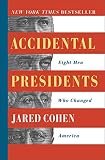
Consider Accidental Presidents by Jared Cohen. Recommended by 10 sources.
“Accidental Presidents offers eight narrative portraits of men who succeeded to the U.S. presidency without election, using anecdote-rich scenes and readable context to show how personality and circumstance interact with office power. It’s strongest as a set of self-contained stories that make succession stakes concrete for non-specialist readers; it does not prioritize dense archival argument or exhaustive methodology, so expect some interpretive generalizations and repeated themes across cases. Use it for fast historical orientation rather than scholarly deep-dives.”
Similar books
How recommendation signals are reviewed
Each recommendation is collected from a public source — interviews, articles, or curated lists — and linked to its original URL. Books with many verifiable recommendations from respected people rank higher.