
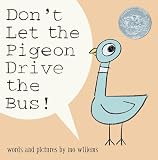
Don't Let the Pigeon Drive the Bus!
Pigeon, Book 2
by Mo Willems
Reading Profile
Should I read this?
Reading this is like running a miniature improvisation: large, simple drawings and a single, insistent pigeon deliver repeated lines that invite shouted answers and playful heckling. Its chief value is lively, immediate participation — perfect for read-alouds, classroom circle time, or a parent who wants to coax shy toddlers into talking back. Its limitation is brevity and repetition: adults reading it dozens of times may tire of the same gag, and older children or readers seeking plot depth will find it thin.
Read this if...
- •preschool teacher running morning circle who needs a 3–5 minute read that pulls a squirmy group into one loud, coordinated activity; it encourages turn-taking and call-and-response.
- •parent of a 2–4-year-old who wants a short, repeatable story to prompt vocal responses and playful interaction during bedtime or travel; the repetitive lines are easy for toddlers to join.
- •daycare assistant managing transitions between activities who needs a quick, energetic read to reset attention; the book’s pacing and repetition reset group energy without a long commitment.
Skip this if...
- •You’ll likely put it down when the pigeon’s same pleas repeat — if you need variety or a longer narrative arc, the book feels too short and one-note.
- •Annoying if you prefer calm, soothing bedtime reads: the book invites loud responses and performed heckling rather than quiet winding-down.
- •Not for older kids or adults seeking character depth or plot complexity; the gag-driven structure and minimal story detail will feel thin and repetitive.
When a bus driver takes a break from his route, a very unlikely volunteer springs up to take his place?a pigeon! But you've never met one like this before. As he pleads, wheedles, and begs his way through the book, children will love being able to answer back and decide his fate. In his hilarious picture book debut, popular cartoonist Mo Willems pe...
Before You Buy
Reading Specifications
Difficulty:easy
Audience Fit
- preschool teacher running morning circle who needs a 3–5 minute read that pulls a squirmy group into one loud, coordinated activity; it encourages turn-taking and call-and-response.
- parent of a 2–4-year-old who wants a short, repeatable story to prompt vocal responses and playful interaction during bedtime or travel; the repetitive lines are easy for toddlers to join.
- daycare assistant managing transitions between activities who needs a quick, energetic read to reset attention; the book’s pacing and repetition reset group energy without a long commitment.
- You’ll likely put it down when the pigeon’s same pleas repeat — if you need variety or a longer narrative arc, the book feels too short and one-note.
- Annoying if you prefer calm, soothing bedtime reads: the book invites loud responses and performed heckling rather than quiet winding-down.
- Not for older kids or adults seeking character depth or plot complexity; the gag-driven structure and minimal story detail will feel thin and repetitive.
Check formats, pricing, and availability options for Kindle, physical print, or audiobooks directly.
View available editions on AmazonKey themes
Why recommended
appears in Picture, For 5 Year Olds, and For 6 Year Olds.
Recommendation Signals
Recommendation proof is sourced from public posts, interviews, reading lists, and cited references.
No verified recommendation proof available yet.
Appears In
Not sure if this is the right fit?
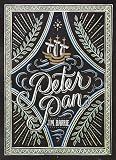
Consider Peter Pan by J. M. Barrie. Recommended by 6 sources.
“Peter Pan, by J. M. Barrie, reads like a moonlit carousel of flights, pirate fights, and fairy mischief. The pleasure is in vivid scenes and characters—Peter, Tinker Bell, the Lost Boys, Hook—that ignite imagination and work very well aloud to children. The limitation is its Edwardian tone and sentimental moral asides, which can feel old-fashioned, occasionally preachy, and slow to readers used to brisk contemporary children's pacing. Best used for shared reading or for anyone seeking whimsical escapism rather than realism.”
Similar books
How recommendation signals are reviewed
Each recommendation is collected from a public source — interviews, articles, or curated lists — and linked to its original URL. Books with many verifiable recommendations from respected people rank higher.