
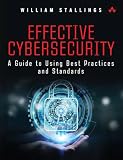
Effective Cybersecurity
A Guide to Using Best Practices and Standards
by William Stallings
Reading Profile
Should I read this?
Effective Cybersecurity lays out technologies, operational procedures, and management practices with frequent alignment to standards and best-practice documents. Reading feels like moving through policy checklists, configuration options, and compliance wording rather than narrative case studies. The most useful material is the concrete mapping between controls and managerial responsibilities that teams can reference when drafting policies. Main limitations are a dry, technical tone and dense standards-driven passages that slow momentum and reduce readability for casual readers.
Read this if...
- •security engineer at a mid-size enterprise implementing network and access controls — useful for translating standard terminology into concrete configuration and operational choices.
- •IT manager preparing compliance documentation or internal policies before an audit — helps convert standards language into managerial responsibilities and procedural text.
- •consultant building a security program for a regulated client — provides standards-aligned references to justify control selection and to describe who must operate and monitor controls.
Skip this if...
- •you'll likely put it down when chapters turn into long listings of standard clauses, protocol detail, and compliance language — that’s the common drop-off point.
- •annoying if you prefer storytelling, case-study narratives, or practical step-by-step labs — the book lacks hands-on exercises and leans toward policy detail.
- •lose interest if you're new to cybersecurity and want gentle, conceptual introductions — the text assumes some technical or managerial context and reads as prescriptive and technical.
The Practical, Comprehensive Guide to Applying Cybersecurity Best Practices and Standards in Real Environments In Effective Cybersecurity, William Stallings introduces the Technology,, operational procedures, and management practices needed for successful cybersecurity. Stallings makes extensive use of standards and best practices documents that are...
Before You Buy
Reading Specifications
Difficulty:hard
Audience Fit
- security engineer at a mid-size enterprise implementing network and access controls — useful for translating standard terminology into concrete configuration and operational choices.
- IT manager preparing compliance documentation or internal policies before an audit — helps convert standards language into managerial responsibilities and procedural text.
- consultant building a security program for a regulated client — provides standards-aligned references to justify control selection and to describe who must operate and monitor controls.
- you'll likely put it down when chapters turn into long listings of standard clauses, protocol detail, and compliance language — that’s the common drop-off point.
- annoying if you prefer storytelling, case-study narratives, or practical step-by-step labs — the book lacks hands-on exercises and leans toward policy detail.
- lose interest if you're new to cybersecurity and want gentle, conceptual introductions — the text assumes some technical or managerial context and reads as prescriptive and technical.
Check formats, pricing, and availability options for Kindle, physical print, or audiobooks directly.
View available editions on AmazonKey themes
Why recommended
appears in Cybersecurity.
Recommendation Signals
Recommendation proof is sourced from public posts, interviews, reading lists, and cited references.
No verified recommendation proof available yet.
Appears In
Not sure if this is the right fit?
Consider Countdown to Zero Day by Kim Zetter. Recommended by 1 sources.
“Kim Zetter reconstructs the discovery and aftermath of a targeted computer worm, threading narrative reporting with technical forensics to show how code produced physical sabotage. The book’s strongest asset is step-by-step investigative reporting that makes complex methods intelligible; it gives a clear sense of how digital intrusions become geopolitical tools. Limiting features: prolonged technical passages and many procedural detours slow the narrative, and readers looking for abstract moralizing or prescriptive policy prescriptions will find the book more descriptive than normative.”
Similar books
Countdown to Zero Day
Kim Zetter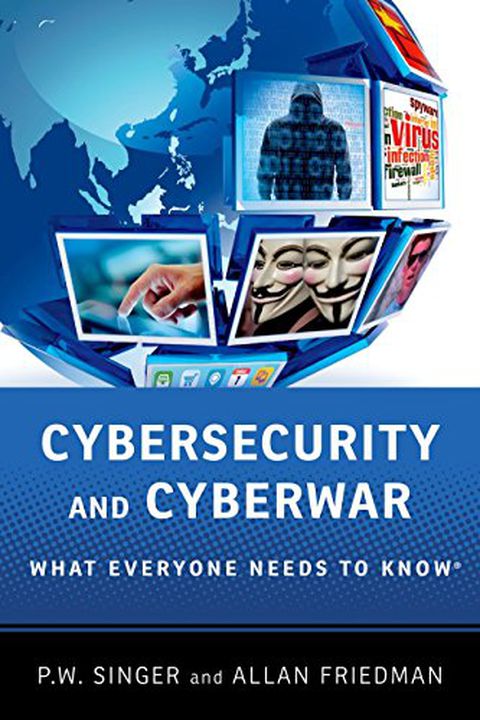
Cybersecurity and Cyberwar
P. W. Singer
Alice and Bob Learn Application Security
Tanya Janca
Move Fast and Break Things
Jonathan Taplin
Hacking
Jon Erickson
Cyber Warfare ? Truth, Tactics, and Strategies
Dr. Chase Cunningham
Blue Team Handbook
Don Murdoch GSE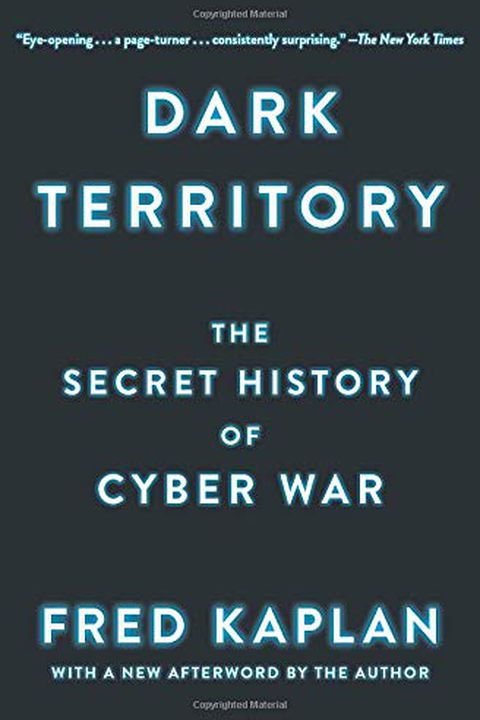
Dark Territory
Fred KaplanHow recommendation signals are reviewed
Each recommendation is collected from a public source — interviews, articles, or curated lists — and linked to its original URL. Books with many verifiable recommendations from respected people rank higher.