
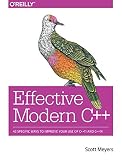
Effective Modern C
42 Specific Ways to Improve Your Use of C? and C?
by Scott Meyers
Reading Profile
Should I read this?
Effective Modern C++ presents concise, itemized rules for using C++11/14 features—auto, move semantics, lambdas, and concurrency—backed by dense code examples and limitation discussion. The useful part is concrete, opinionated prescriptions that point out subtle correctness and portability traps and suggest safer idioms. The limiting part is heavy assumption of prior C++ fluency: many items demand stopping to compile and think. Readers expecting a gentle introduction or a chapter-by-chapter tutorial will find the voice prescriptive and occasionally terse.
Read this if...
- •a mid-level systems programmer migrating a large C++03 codebase to C++11/14 who needs concrete rules to avoid subtle bugs and regressions.
- •a senior engineer running code reviews at a company adopting modern C++ who needs succinct, opinionated reasons to approve or reject changes.
- •a technical lead porting performance-sensitive libraries across compilers and platforms who must balance move semantics, auto use, and concurrency trade-offs.
Skip this if...
- •you'll likely put it down when the book launches into itemized, code-dense discussions assuming fluency with templates and type deduction — that dense stretch is a common stop point.
- •not for total beginners who need step-by-step tutorials that start at language basics.
- •annoying if you prefer neutral, non-opinionated references: the tone is prescriptive and assumes you accept trade-offs without gentle hand-holding.
Coming to grips with C? and C? is more than a matter of familiarizing yourself with the features they introduce (e.g., auto type declarations, move semantics, lambda expressions, and concurrency support). The challenge is learning to use those features effectivelyso that your software is correct, efficient, maintainable, and portable. That'...
Before You Buy
Reading Specifications
Difficulty:hard
Audience Fit
- a mid-level systems programmer migrating a large C++03 codebase to C++11/14 who needs concrete rules to avoid subtle bugs and regressions.
- a senior engineer running code reviews at a company adopting modern C++ who needs succinct, opinionated reasons to approve or reject changes.
- a technical lead porting performance-sensitive libraries across compilers and platforms who must balance move semantics, auto use, and concurrency trade-offs.
- you'll likely put it down when the book launches into itemized, code-dense discussions assuming fluency with templates and type deduction — that dense stretch is a common stop point.
- not for total beginners who need step-by-step tutorials that start at language basics.
- annoying if you prefer neutral, non-opinionated references: the tone is prescriptive and assumes you accept trade-offs without gentle hand-holding.
Check formats, pricing, and availability options for Kindle, physical print, or audiobooks directly.
View available editions on AmazonKey themes
Why recommended
appears in C Plus Plus, Programming, and Programming.
Recommendation Signals
Recommendation proof is sourced from public posts, interviews, reading lists, and cited references.
No verified recommendation proof available yet.
Appears In
Not sure if this is the right fit?
Consider Agile Software Development, Principles, Patterns, and Practices by Robert C. Martin.
“Practical, code-first manual aimed at hands-on developers; it mixes object-oriented design, UML, design patterns, and Agile/XP practices with long C and Java examples. The most useful parts are concrete problem-solving walk-throughs: refactorings, design choices, and pattern implementations you can copy into real projects. Limitations: heavy on language-specific listings and prescriptive editorializing — the tone can feel didactic, and some examples read dated compared with modern language features. Not a gentle introduction; it's best used slowly and with a code editor open.”
Similar books
Agile Software Development, Principles, Patterns, and Practices
Robert C. Martin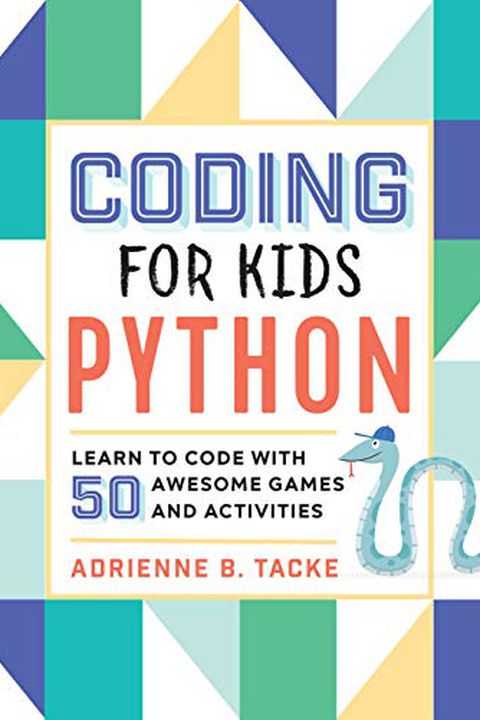
Coding for Kids
Adrienne Tacke
Artificial Intelligence,
Stuart Russell
The Art of R Programming,
Norman Matloff
Game Engine Architecture,
Jason Gregory
The Ruby Programming, Language
David Flanagan
Practical ObjectOriented Design
Sandi Metz
Python for Kids
Jason R. BriggsHow recommendation signals are reviewed
Each recommendation is collected from a public source — interviews, articles, or curated lists — and linked to its original URL. Books with many verifiable recommendations from respected people rank higher.