
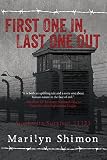
First One In, Last One Out
Auschwitz Survivor 31321
by Marilyn Shimon
Reading Profile
Should I read this?
Marilyn Shimon delivers a tight, often grisly family memoir that turns memory into immediate scenes: scars, tattoos, and terse testimony are rendered in sensory detail. The book's value is its intimacy—moments that make inherited trauma feel urgent and embodied rather than abstract. Its chief limitation is limited framing and scope: readers seeking wider historical context or analytical distance may find the narrative narrow, occasionally repetitive, and more focused on evocative episodes than on sustained explanation.
Read this if...
- •a secondary-school history teacher assembling a unit on personal survivor accounts who needs vivid, first-person scenes to prompt classroom discussion rather than textbook summaries
- •a family historian trying to understand how trauma shows up across generations and wanting a memoir with concrete sensory detail to compare with archival records
- •a memoir-writer in a workshop studying how to render difficult memories on the page—useful as an example of scene-making and emotional compression
Skip this if...
- •you'll likely put it down when chapters pile on graphic or gruesome detail without wider context—readers who prefer steady pacing may stop here
- •annoying if you prefer analytic distance or broad historical framing, since the narrative stays narrowly personal and sometimes repeats themes
- •avoid if you want a lighter read; the tone is heavy, intimate, and unflinching rather than consoling or detached
While growing up in New York, Marilyn Shimon often visited her uncle in California. She saw his scars, gaped at his ?31321? tattoo, and listened to his horrific stories of the Holocaust. However, she could not relate to the suffering he endured or understand the significance of his accounts?until now. In this grisly memoir, Marilyn resurrects Murra...
Before You Buy
Reading Specifications
Difficulty:hard
Audience Fit
- a secondary-school history teacher assembling a unit on personal survivor accounts who needs vivid, first-person scenes to prompt classroom discussion rather than textbook summaries
- a family historian trying to understand how trauma shows up across generations and wanting a memoir with concrete sensory detail to compare with archival records
- a memoir-writer in a workshop studying how to render difficult memories on the page—useful as an example of scene-making and emotional compression
- you'll likely put it down when chapters pile on graphic or gruesome detail without wider context—readers who prefer steady pacing may stop here
- annoying if you prefer analytic distance or broad historical framing, since the narrative stays narrowly personal and sometimes repeats themes
- avoid if you want a lighter read; the tone is heavy, intimate, and unflinching rather than consoling or detached
Check formats, pricing, and availability options for Kindle, physical print, or audiobooks directly.
View available editions on AmazonKey themes
Why recommended
appears in Holocaust.
Recommendation Signals
Recommendation proof is sourced from public posts, interviews, reading lists, and cited references.
No verified recommendation proof available yet.
Appears In
Not sure if this is the right fit?
Consider Man's Search for Meaning by Viktor E. Frankl. Recommended by 100 sources.
“Psychiatrist Viktor Frankl recounts his survival in Nazi death camps, weaving together brutal details and insights about finding meaning in suffering. The first half is a gripping, horrifying memoir; the second half shifts to a philosophical framework he calls logotherapy. The book’s core appeal is its raw demonstration that even in hell, a sense of purpose can keep you alive. Some readers find the shift jarring and the later sections abstract. The ideas resonate best if you accept the spiritual overtones and personal anecdotes over a more analytical approach.”
Similar books
How recommendation signals are reviewed
Each recommendation is collected from a public source — interviews, articles, or curated lists — and linked to its original URL. Books with many verifiable recommendations from respected people rank higher.