
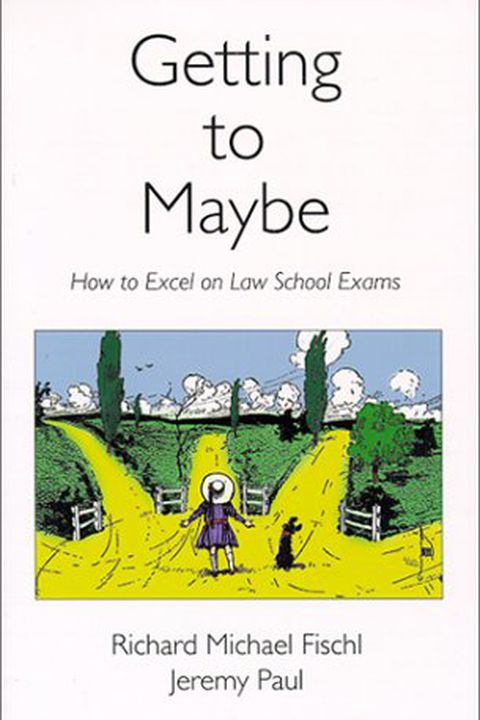
Getting to Maybe
How to Excel on Law School Exams
by Richard Michael Fischl
Reading Profile
Should I read this?
Concrete, classroom-first guidance that reframes how law exams reward nuance instead of single correct answers. Fischl's voice is didactic and corrective: expect clear distinctions between 'right-answer' schooling and law-school analytic demands, plus examples aimed at shifting how you spot and discuss issues. what works best is better exam reasoning rather than shortcut techniques; the limitation is a pedagogical tone and relative lack of timed-practice drills, making it less useful as a sole study resource before an exam.
Read this if...
- •1L (first-year law student) in the first semester trying to move from memorization to exam essays—this helps reshape how you read hypotheticals and frame answers before you start timed practice.
- •A law-school tutor or study-group leader preparing students for doctrinal exams—useful for explaining why nuance and issue-spotting matter and for changing students’ answer habits.
- •A returning student transitioning from multiple-choice-heavy undergraduate exams to open-ended law exams—good for re-training expectations about how graders reward analysis over a single 'right' result.
Skip this if...
- •You’ll likely put it down when the early chapters lean into educational theory and pedagogy rather than giving immediate, step-by-step exam scripts—this is the common drop-off point.
- •Annoying if you prefer drill-and-repeat study: the book is not a source of timed practice exams or answer banks and lacks extensive hands-on drills.
- •Lose interest if you want quick templates or mnemonic tricks—its focus is on changing thought patterns, not handing out exam formulas.
Professors Fischl and Paul explain law school exams in ways no one has before, all with an eye toward improving the reader's performance. The book begins by describing the difference between educational cultures that praise students for "right answers" and the law school culture that rewards nuanced analysis of ambiguous situations in which more th...
Before You Buy
Reading Specifications
Difficulty:easy
Audience Fit
- 1L (first-year law student) in the first semester trying to move from memorization to exam essays—this helps reshape how you read hypotheticals and frame answers before you start timed practice.
- A law-school tutor or study-group leader preparing students for doctrinal exams—useful for explaining why nuance and issue-spotting matter and for changing students’ answer habits.
- A returning student transitioning from multiple-choice-heavy undergraduate exams to open-ended law exams—good for re-training expectations about how graders reward analysis over a single 'right' result.
- You’ll likely put it down when the early chapters lean into educational theory and pedagogy rather than giving immediate, step-by-step exam scripts—this is the common drop-off point.
- Annoying if you prefer drill-and-repeat study: the book is not a source of timed practice exams or answer banks and lacks extensive hands-on drills.
- Lose interest if you want quick templates or mnemonic tricks—its focus is on changing thought patterns, not handing out exam formulas.
Check formats, pricing, and availability options for Kindle, physical print, or audiobooks directly.
View available editions on AmazonKey themes
Why recommended
Recommended by 2 sources and appears in Law and Most Recommended Books.
Recommended by notable people
People and public figures who have recommended this book.
Recommendation Signals
Recommendation proof is sourced from public posts, interviews, reading lists, and cited references.
Nick Szabo
“Nominally a book on how to take a law school exam. Really a primer on quantum thought:”
Appears In
Not sure if this is the right fit?
Consider The Power of Positive Thinking by Norman Vincent Peale. Recommended by 2 sources.
“Written in mid-20th-century plain prose, this book delivers short chapters of earnest, faith-centered pep talks, affirmations, and anecdotal examples meant to lift outlook through repeated practice. The most useful moments are the memorable lines and simple routines you can borrow when you need a quick morale lift. Limitations: it leans heavily on faith as the primary remedy, repeats similar stories and lines, and uses dated phrasing that can feel simplistic to readers seeking contemporary psychological language or step-by-step techniques.”
Similar books
The Power of Positive Thinking
Norman Vincent Peale
The Story Of My Life
Clarence Darrow
The Law School Admission Game
Ann K. Levine Esq.
And the Dead Shall Rise
Steve Oney
The EMyth Attorney
Michael E. Gerber, Robert Armstrong J.D., Sanford Fisch J.D.
A Civil Action
Jonathan Harr
One L
Scott Turow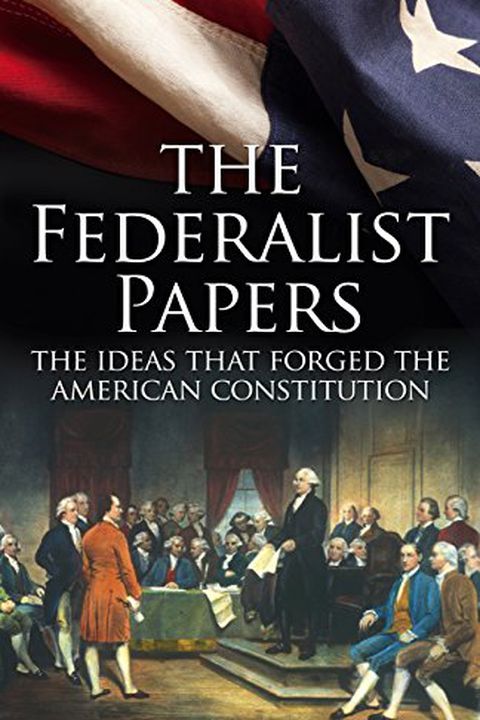
The Federalist Papers
Alexander HamiltonHow recommendation signals are reviewed
Each recommendation is collected from a public source — interviews, articles, or curated lists — and linked to its original URL. Books with many verifiable recommendations from respected people rank higher.