
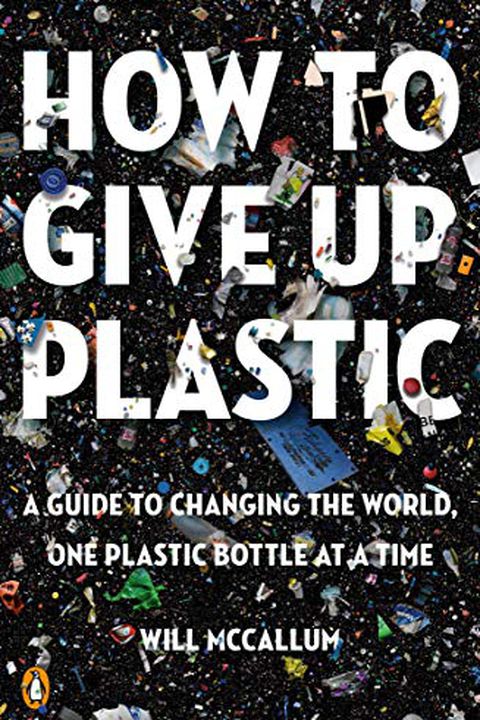
How to Give Up Plastic
A Guide to Changing the World, One Plastic Bottle at a Time
by Will McCallum
Reading Profile
Should I read this?
How to Give Up Plastic reads like a hands-on manual: short, concrete chapters that move through rooms and routines, with many specific substitution ideas you can try immediately. Its useful part is translation — turning abstract worries about ocean plastic into actionable swaps and small habit changes. The main limitation is scale: readers looking for systemic analysis, detailed sourcing guidance, or long-form evidence will find the treatment pragmatic but lightweight, and some sections repeat similar limitations.
Read this if...
- •a busy parent trying to cut household waste without overhauling family routines — offers quick swaps and kid-friendly options to implement room by room
- •an office manager tasked with reducing single-use items in a small workplace — provides practical alternatives for kitchen, supplies, and meeting catering that can be piloted fast
- •someone moving into a new flat who wants to set up lower-plastic habits from day one — usable checklists and shopping swaps make it easy to retrofit a home
Skip this if...
- •you'll likely put it down when the room-by-room checklists start to repeat; readers who want a tight, non-redundant read may lose patience
- •annoying if you prefer deep policy or supply-chain analysis — the book focuses on personal choices rather than systemic solutions
- •not for people who want exercises or an interactive plan — lacks hands-on templates or structured long-term programs
An accessible guide to the changes we can all makesmall and largeto rid our lives of disposable plastic and clean up the world's oceansHow to Give Up Plastic is a straightforward guide to eliminating plastic from your life. Going room by room through your home and workplace, Greenpeace activist Will McCallum teaches you how to spot disposable p...
Before You Buy
Reading Specifications
Difficulty:hard
Audience Fit
- a busy parent trying to cut household waste without overhauling family routines — offers quick swaps and kid-friendly options to implement room by room
- an office manager tasked with reducing single-use items in a small workplace — provides practical alternatives for kitchen, supplies, and meeting catering that can be piloted fast
- someone moving into a new flat who wants to set up lower-plastic habits from day one — usable checklists and shopping swaps make it easy to retrofit a home
- you'll likely put it down when the room-by-room checklists start to repeat; readers who want a tight, non-redundant read may lose patience
- annoying if you prefer deep policy or supply-chain analysis — the book focuses on personal choices rather than systemic solutions
- not for people who want exercises or an interactive plan — lacks hands-on templates or structured long-term programs
Check formats, pricing, and availability options for Kindle, physical print, or audiobooks directly.
View available editions on AmazonKey themes
Why recommended
appears in Environmental Science, Environment, and Personal Development.
Recommendation Signals
Recommendation proof is sourced from public posts, interviews, reading lists, and cited references.
No verified recommendation proof available yet.
Appears In
Not sure if this is the right fit?
Consider From Seed to Plant by Gail Gibbons.
“Bright, picture-driven, and firmly aimed at early elementary listeners, this book walks through pollination, seed formation, and germination in clear, child-accessible steps. The strongest value is the combination of simple, age-appropriate vocabulary and colorful diagrams that make basic plant processes memorable during a single read-aloud. Its main limitation is scope: adults or older kids seeking depth or experimental instructions will find the text spare and the explanations high-level rather than detailed. No hands-on exercises are provided.”
Similar books
From Seed to Plant
Gail Gibbons
Animalium
Jenny Broom
The Hidden Life of Trees
Peter Wohlleben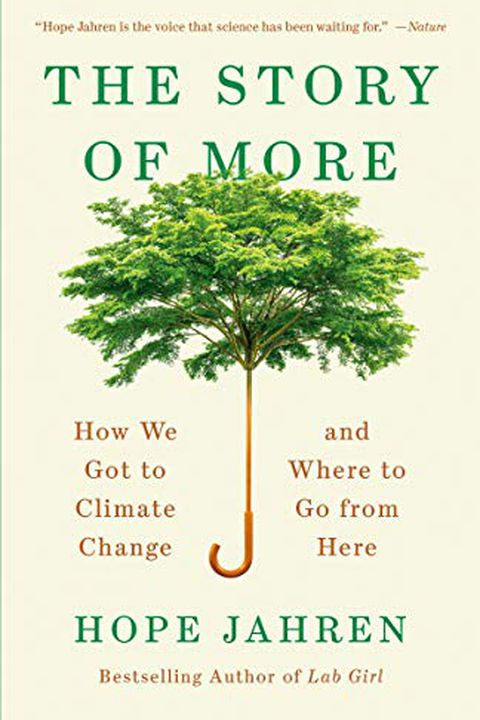
The Story of More
Hope Jahren
National Geographic Rarely Seen
National Geographic
Trees, Leaves & Bark
Diane Burns
Over and Under the Pond
Kate Messner
Tom Brown's Field Guide to Wilderness Survival
Tom Brown Jr.How recommendation signals are reviewed
Each recommendation is collected from a public source — interviews, articles, or curated lists — and linked to its original URL. Books with many verifiable recommendations from respected people rank higher.