

Illustration Play
by Victionary
Reading Profile
Should I read this?
Illustration Play is an image-first lookbook of tactile illustration: generous photos of paper cutting, stitching, knitting, needlework and origami arranged to spark visual ideas. Its useful part is immediate inspiration—clear examples of how handmade marks and materials change a composition’s mood and surface. The main limitation is technical depth; captions and process notes are brief rather than instructional, so it functions better as source material than a how-to manual. Repetition of similar aesthetics across spreads can feel indulgent to some readers.
Read this if...
- •graphic designer at an ad agency trying to add tactile elements to digital campaigns — useful as a moodboard of physical techniques and textures to brief illustrators or photographers.
- •packaging designer working on a small-batch product line who needs non-digital surface ideas — practical source of stitching, paper treatments, and pattern approaches to inspire labels and hangtags.
- •hobbyist illustrator experimenting with analog craft methods and looking for reference photos — handy when you want visual prompts to copy or remix, though it offers no step-by-step workshops.
Skip this if...
- •you'll likely put it down when you expect step-by-step guidance or detailed technique breakdowns; the book is image-forward with minimal how-to content.
- •annoying if you prefer dense editorial text or historical context — captions are short and long-form essays are scarce.
- •you'll lose interest if you want primarily digital technique coverage or software workflows; its focus is on handmade processes and material texture, not pixel-based methods.
Illustration Play explores new trends in handcrafted illustration, each of which lends a welcome departure from digitally generated graphics. In a bold departure from the pixel based aesthetic, Illustration Play focuses rather on the return to experimental and unique techniques such as paper cutting, stitching, knitting, needlework, origami, patchw...
Before You Buy
Reading Specifications
Difficulty:hard
Audience Fit
- graphic designer at an ad agency trying to add tactile elements to digital campaigns — useful as a moodboard of physical techniques and textures to brief illustrators or photographers.
- packaging designer working on a small-batch product line who needs non-digital surface ideas — practical source of stitching, paper treatments, and pattern approaches to inspire labels and hangtags.
- hobbyist illustrator experimenting with analog craft methods and looking for reference photos — handy when you want visual prompts to copy or remix, though it offers no step-by-step workshops.
- you'll likely put it down when you expect step-by-step guidance or detailed technique breakdowns; the book is image-forward with minimal how-to content.
- annoying if you prefer dense editorial text or historical context — captions are short and long-form essays are scarce.
- you'll lose interest if you want primarily digital technique coverage or software workflows; its focus is on handmade processes and material texture, not pixel-based methods.
Check formats, pricing, and availability options for Kindle, physical print, or audiobooks directly.
View available editions on AmazonKey themes
Why recommended
appears in Design, Design, and Art.
Recommendation Signals
Recommendation proof is sourced from public posts, interviews, reading lists, and cited references.
No verified recommendation proof available yet.
Appears In
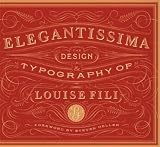
Not sure if this is the right fit?
Consider Elegantissima by Louise Fili.
“Elegantissima is a visually sumptuous walk through Louise Fili’s career, full of high-quality plates of book jackets, restaurant identities and food packaging. What works best is steady visual inspiration: typographic details, color choices and composed spreads that spark design ideas. The main limitation is shallow procedural and critical commentary — readers after hands-on methods, process breakdowns or rigorous historical argument will find the prose spare and the practical guidance minimal. Best used as aesthetic reference rather than a how-to manual.”
Similar books
Elegantissima
Louise Fili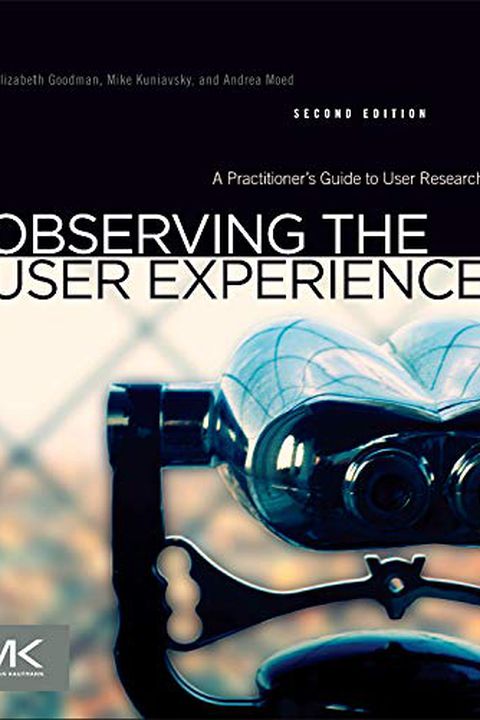
Observing the User Experience
Elizabeth Goodman School of Information University of California Berkeley
The User Experience Team of One
Leah Buley
About Face
Alan Cooper
Make It So
Nathan Shedroff
SPRINT
Zeratsky Jake Knapp
Sagmeister
Stefan Sagmeister
The Finer Things
Christiane LemieuxHow recommendation signals are reviewed
Each recommendation is collected from a public source — interviews, articles, or curated lists — and linked to its original URL. Books with many verifiable recommendations from respected people rank higher.