
Mindset
The New Psychology of Success
by Carol S. Dweck


10 more
More Recommenders
Co-founder of Twitter and Medium
“26/ Mindset. Dweck nails the mentality required to win. Also touches on key points for providing good leadership to others in both business and life. @MindsetWorks | 7 books that every lifelong learner should read (and reread) | Again, I am fascinated by the field of mastery. Not selfimprovement (eat well, sleep well, etc) but on how can you continue a path of improvement so that you can really enjoy the subtleties at a very deep level of whatever it is you love. Carol Dweck, through massive research and storytelling, shows the reader how to continue on the path of improvement and why so many people fall off that path. | As Microsoft’s new CEO, he aspired to steer the company toward “a culture that allowed us to constantly refresh and renew,” and incorporated Dweck’s perspective into his blueprint for change. “Now three years into it, I recognize its power a lot more than I did,” he says. | Crucial distinction: People in a ?fixed? mindset believe that you are great or flawed. People in a ?growth? mindset believe your greatness (or flaws) are because of your actions. The fixed mindset is very harmful in every area of life (work, art, relationships, business, etc.) We get our initial mindset from our environment. When parents say, ?You are great,? instead of ?You did great work,? they accidentally create the ?fixed? mindset. | Crucial distinction: People in a “fixed” mindset believe that you are great or flawed. People in a “growth” mindset believe your greatness (or flaws) are because of your actions. The fixed mindset is very harmful in every area of life (work, art, relationships, business, etc.) We get our initial mindset from our environment. When parents say, “You are great,” instead of ”You did great work,” they accidentally create the “fixed” mindset. | Dweck and her research have helped my foundation colleagues and me understand more about the attitudes and habits that allow some students to persevere in school despite big challenges. | Here are a few books I’d like to recommend that have had an impact on my life: What Makes The Great Great by Dennis Kimbro. Shift by Keion Henderson. Transformed by Remi Adeleke. Mindset by Carlos Dweck. Deep Work by Carl Newport. Leadershift by John Maxwell. | It’s one of those ideas that is obvious only once you know it — that praising kids for their abilities (as opposed to their efforts) can actually be detrimental. Dweck’s research is among the most important for parents to know. Her book goes far beyond the implications for children and has lessons for all in work and personal life. | I’m a big fan of the book. It talks you through the theory. And what I’ve observed is even with a very, very high super successful executives who come to Shopify and have worked at Shopify for a very long time, they end up reading the book. And they say, 'You know what I was actually fixed mindset on all of these three things. | Some of my favorite books on human behavior. @danbharris @mkonnikova @navarrotells @cduhigg MIA: @AdamMGrant”
Source →
Investor and podcast host
“26/ Mindset. Dweck nails the mentality required to win. Also touches on key points for providing good leadership to others in both business and life. @MindsetWorks | 7 books that every lifelong learner should read (and reread) | Again, I am fascinated by the field of mastery. Not selfimprovement (eat well, sleep well, etc) but on how can you continue a path of improvement so that you can really enjoy the subtleties at a very deep level of whatever it is you love. Carol Dweck, through massive research and storytelling, shows the reader how to continue on the path of improvement and why so many people fall off that path. | As Microsoft’s new CEO, he aspired to steer the company toward “a culture that allowed us to constantly refresh and renew,” and incorporated Dweck’s perspective into his blueprint for change. “Now three years into it, I recognize its power a lot more than I did,” he says. | Crucial distinction: People in a ?fixed? mindset believe that you are great or flawed. People in a ?growth? mindset believe your greatness (or flaws) are because of your actions. The fixed mindset is very harmful in every area of life (work, art, relationships, business, etc.) We get our initial mindset from our environment. When parents say, ?You are great,? instead of ?You did great work,? they accidentally create the ?fixed? mindset. | Crucial distinction: People in a “fixed” mindset believe that you are great or flawed. People in a “growth” mindset believe your greatness (or flaws) are because of your actions. The fixed mindset is very harmful in every area of life (work, art, relationships, business, etc.) We get our initial mindset from our environment. When parents say, “You are great,” instead of ”You did great work,” they accidentally create the “fixed” mindset. | Dweck and her research have helped my foundation colleagues and me understand more about the attitudes and habits that allow some students to persevere in school despite big challenges. | Here are a few books I’d like to recommend that have had an impact on my life: What Makes The Great Great by Dennis Kimbro. Shift by Keion Henderson. Transformed by Remi Adeleke. Mindset by Carlos Dweck. Deep Work by Carl Newport. Leadershift by John Maxwell. | It’s one of those ideas that is obvious only once you know it — that praising kids for their abilities (as opposed to their efforts) can actually be detrimental. Dweck’s research is among the most important for parents to know. Her book goes far beyond the implications for children and has lessons for all in work and personal life. | I’m a big fan of the book. It talks you through the theory. And what I’ve observed is even with a very, very high super successful executives who come to Shopify and have worked at Shopify for a very long time, they end up reading the book. And they say, 'You know what I was actually fixed mindset on all of these three things. | Some of my favorite books on human behavior. @danbharris @mkonnikova @navarrotells @cduhigg MIA: @AdamMGrant”
Source →Designer and writer
“26/ Mindset. Dweck nails the mentality required to win. Also touches on key points for providing good leadership to others in both business and life. @MindsetWorks | 7 books that every lifelong learner should read (and reread) | Again, I am fascinated by the field of mastery. Not selfimprovement (eat well, sleep well, etc) but on how can you continue a path of improvement so that you can really enjoy the subtleties at a very deep level of whatever it is you love. Carol Dweck, through massive research and storytelling, shows the reader how to continue on the path of improvement and why so many people fall off that path. | As Microsoft’s new CEO, he aspired to steer the company toward “a culture that allowed us to constantly refresh and renew,” and incorporated Dweck’s perspective into his blueprint for change. “Now three years into it, I recognize its power a lot more than I did,” he says. | Crucial distinction: People in a ?fixed? mindset believe that you are great or flawed. People in a ?growth? mindset believe your greatness (or flaws) are because of your actions. The fixed mindset is very harmful in every area of life (work, art, relationships, business, etc.) We get our initial mindset from our environment. When parents say, ?You are great,? instead of ?You did great work,? they accidentally create the ?fixed? mindset. | Crucial distinction: People in a “fixed” mindset believe that you are great or flawed. People in a “growth” mindset believe your greatness (or flaws) are because of your actions. The fixed mindset is very harmful in every area of life (work, art, relationships, business, etc.) We get our initial mindset from our environment. When parents say, “You are great,” instead of ”You did great work,” they accidentally create the “fixed” mindset. | Dweck and her research have helped my foundation colleagues and me understand more about the attitudes and habits that allow some students to persevere in school despite big challenges. | Here are a few books I’d like to recommend that have had an impact on my life: What Makes The Great Great by Dennis Kimbro. Shift by Keion Henderson. Transformed by Remi Adeleke. Mindset by Carlos Dweck. Deep Work by Carl Newport. Leadershift by John Maxwell. | It’s one of those ideas that is obvious only once you know it — that praising kids for their abilities (as opposed to their efforts) can actually be detrimental. Dweck’s research is among the most important for parents to know. Her book goes far beyond the implications for children and has lessons for all in work and personal life. | I’m a big fan of the book. It talks you through the theory. And what I’ve observed is even with a very, very high super successful executives who come to Shopify and have worked at Shopify for a very long time, they end up reading the book. And they say, 'You know what I was actually fixed mindset on all of these three things. | Some of my favorite books on human behavior. @danbharris @mkonnikova @navarrotells @cduhigg MIA: @AdamMGrant”
Source →“26/ Mindset. Dweck nails the mentality required to win. Also touches on key points for providing good leadership to others in both business and life. @MindsetWorks | 7 books that every lifelong learner should read (and reread) | Again, I am fascinated by the field of mastery. Not selfimprovement (eat well, sleep well, etc) but on how can you continue a path of improvement so that you can really enjoy the subtleties at a very deep level of whatever it is you love. Carol Dweck, through massive research and storytelling, shows the reader how to continue on the path of improvement and why so many people fall off that path. | As Microsoft’s new CEO, he aspired to steer the company toward “a culture that allowed us to constantly refresh and renew,” and incorporated Dweck’s perspective into his blueprint for change. “Now three years into it, I recognize its power a lot more than I did,” he says. | Crucial distinction: People in a ?fixed? mindset believe that you are great or flawed. People in a ?growth? mindset believe your greatness (or flaws) are because of your actions. The fixed mindset is very harmful in every area of life (work, art, relationships, business, etc.) We get our initial mindset from our environment. When parents say, ?You are great,? instead of ?You did great work,? they accidentally create the ?fixed? mindset. | Crucial distinction: People in a “fixed” mindset believe that you are great or flawed. People in a “growth” mindset believe your greatness (or flaws) are because of your actions. The fixed mindset is very harmful in every area of life (work, art, relationships, business, etc.) We get our initial mindset from our environment. When parents say, “You are great,” instead of ”You did great work,” they accidentally create the “fixed” mindset. | Dweck and her research have helped my foundation colleagues and me understand more about the attitudes and habits that allow some students to persevere in school despite big challenges. | Here are a few books I’d like to recommend that have had an impact on my life: What Makes The Great Great by Dennis Kimbro. Shift by Keion Henderson. Transformed by Remi Adeleke. Mindset by Carlos Dweck. Deep Work by Carl Newport. Leadershift by John Maxwell. | It’s one of those ideas that is obvious only once you know it — that praising kids for their abilities (as opposed to their efforts) can actually be detrimental. Dweck’s research is among the most important for parents to know. Her book goes far beyond the implications for children and has lessons for all in work and personal life. | I’m a big fan of the book. It talks you through the theory. And what I’ve observed is even with a very, very high super successful executives who come to Shopify and have worked at Shopify for a very long time, they end up reading the book. And they say, 'You know what I was actually fixed mindset on all of these three things. | Some of my favorite books on human behavior. @danbharris @mkonnikova @navarrotells @cduhigg MIA: @AdamMGrant”
Source →“26/ Mindset. Dweck nails the mentality required to win. Also touches on key points for providing good leadership to others in both business and life. @MindsetWorks | 7 books that every lifelong learner should read (and reread) | Again, I am fascinated by the field of mastery. Not selfimprovement (eat well, sleep well, etc) but on how can you continue a path of improvement so that you can really enjoy the subtleties at a very deep level of whatever it is you love. Carol Dweck, through massive research and storytelling, shows the reader how to continue on the path of improvement and why so many people fall off that path. | As Microsoft’s new CEO, he aspired to steer the company toward “a culture that allowed us to constantly refresh and renew,” and incorporated Dweck’s perspective into his blueprint for change. “Now three years into it, I recognize its power a lot more than I did,” he says. | Crucial distinction: People in a ?fixed? mindset believe that you are great or flawed. People in a ?growth? mindset believe your greatness (or flaws) are because of your actions. The fixed mindset is very harmful in every area of life (work, art, relationships, business, etc.) We get our initial mindset from our environment. When parents say, ?You are great,? instead of ?You did great work,? they accidentally create the ?fixed? mindset. | Crucial distinction: People in a “fixed” mindset believe that you are great or flawed. People in a “growth” mindset believe your greatness (or flaws) are because of your actions. The fixed mindset is very harmful in every area of life (work, art, relationships, business, etc.) We get our initial mindset from our environment. When parents say, “You are great,” instead of ”You did great work,” they accidentally create the “fixed” mindset. | Dweck and her research have helped my foundation colleagues and me understand more about the attitudes and habits that allow some students to persevere in school despite big challenges. | Here are a few books I’d like to recommend that have had an impact on my life: What Makes The Great Great by Dennis Kimbro. Shift by Keion Henderson. Transformed by Remi Adeleke. Mindset by Carlos Dweck. Deep Work by Carl Newport. Leadershift by John Maxwell. | It’s one of those ideas that is obvious only once you know it — that praising kids for their abilities (as opposed to their efforts) can actually be detrimental. Dweck’s research is among the most important for parents to know. Her book goes far beyond the implications for children and has lessons for all in work and personal life. | I’m a big fan of the book. It talks you through the theory. And what I’ve observed is even with a very, very high super successful executives who come to Shopify and have worked at Shopify for a very long time, they end up reading the book. And they say, 'You know what I was actually fixed mindset on all of these three things. | Some of my favorite books on human behavior. @danbharris @mkonnikova @navarrotells @cduhigg MIA: @AdamMGrant”
Source →“26/ Mindset. Dweck nails the mentality required to win. Also touches on key points for providing good leadership to others in both business and life. @MindsetWorks | 7 books that every lifelong learner should read (and reread) | Again, I am fascinated by the field of mastery. Not selfimprovement (eat well, sleep well, etc) but on how can you continue a path of improvement so that you can really enjoy the subtleties at a very deep level of whatever it is you love. Carol Dweck, through massive research and storytelling, shows the reader how to continue on the path of improvement and why so many people fall off that path. | As Microsoft’s new CEO, he aspired to steer the company toward “a culture that allowed us to constantly refresh and renew,” and incorporated Dweck’s perspective into his blueprint for change. “Now three years into it, I recognize its power a lot more than I did,” he says. | Crucial distinction: People in a ?fixed? mindset believe that you are great or flawed. People in a ?growth? mindset believe your greatness (or flaws) are because of your actions. The fixed mindset is very harmful in every area of life (work, art, relationships, business, etc.) We get our initial mindset from our environment. When parents say, ?You are great,? instead of ?You did great work,? they accidentally create the ?fixed? mindset. | Crucial distinction: People in a “fixed” mindset believe that you are great or flawed. People in a “growth” mindset believe your greatness (or flaws) are because of your actions. The fixed mindset is very harmful in every area of life (work, art, relationships, business, etc.) We get our initial mindset from our environment. When parents say, “You are great,” instead of ”You did great work,” they accidentally create the “fixed” mindset. | Dweck and her research have helped my foundation colleagues and me understand more about the attitudes and habits that allow some students to persevere in school despite big challenges. | Here are a few books I’d like to recommend that have had an impact on my life: What Makes The Great Great by Dennis Kimbro. Shift by Keion Henderson. Transformed by Remi Adeleke. Mindset by Carlos Dweck. Deep Work by Carl Newport. Leadershift by John Maxwell. | It’s one of those ideas that is obvious only once you know it — that praising kids for their abilities (as opposed to their efforts) can actually be detrimental. Dweck’s research is among the most important for parents to know. Her book goes far beyond the implications for children and has lessons for all in work and personal life. | I’m a big fan of the book. It talks you through the theory. And what I’ve observed is even with a very, very high super successful executives who come to Shopify and have worked at Shopify for a very long time, they end up reading the book. And they say, 'You know what I was actually fixed mindset on all of these three things. | Some of my favorite books on human behavior. @danbharris @mkonnikova @navarrotells @cduhigg MIA: @AdamMGrant”
Source →“26/ Mindset. Dweck nails the mentality required to win. Also touches on key points for providing good leadership to others in both business and life. @MindsetWorks | 7 books that every lifelong learner should read (and reread) | Again, I am fascinated by the field of mastery. Not selfimprovement (eat well, sleep well, etc) but on how can you continue a path of improvement so that you can really enjoy the subtleties at a very deep level of whatever it is you love. Carol Dweck, through massive research and storytelling, shows the reader how to continue on the path of improvement and why so many people fall off that path. | As Microsoft’s new CEO, he aspired to steer the company toward “a culture that allowed us to constantly refresh and renew,” and incorporated Dweck’s perspective into his blueprint for change. “Now three years into it, I recognize its power a lot more than I did,” he says. | Crucial distinction: People in a ?fixed? mindset believe that you are great or flawed. People in a ?growth? mindset believe your greatness (or flaws) are because of your actions. The fixed mindset is very harmful in every area of life (work, art, relationships, business, etc.) We get our initial mindset from our environment. When parents say, ?You are great,? instead of ?You did great work,? they accidentally create the ?fixed? mindset. | Crucial distinction: People in a “fixed” mindset believe that you are great or flawed. People in a “growth” mindset believe your greatness (or flaws) are because of your actions. The fixed mindset is very harmful in every area of life (work, art, relationships, business, etc.) We get our initial mindset from our environment. When parents say, “You are great,” instead of ”You did great work,” they accidentally create the “fixed” mindset. | Dweck and her research have helped my foundation colleagues and me understand more about the attitudes and habits that allow some students to persevere in school despite big challenges. | Here are a few books I’d like to recommend that have had an impact on my life: What Makes The Great Great by Dennis Kimbro. Shift by Keion Henderson. Transformed by Remi Adeleke. Mindset by Carlos Dweck. Deep Work by Carl Newport. Leadershift by John Maxwell. | It’s one of those ideas that is obvious only once you know it — that praising kids for their abilities (as opposed to their efforts) can actually be detrimental. Dweck’s research is among the most important for parents to know. Her book goes far beyond the implications for children and has lessons for all in work and personal life. | I’m a big fan of the book. It talks you through the theory. And what I’ve observed is even with a very, very high super successful executives who come to Shopify and have worked at Shopify for a very long time, they end up reading the book. And they say, 'You know what I was actually fixed mindset on all of these three things. | Some of my favorite books on human behavior. @danbharris @mkonnikova @navarrotells @cduhigg MIA: @AdamMGrant”
Source →“26/ Mindset. Dweck nails the mentality required to win. Also touches on key points for providing good leadership to others in both business and life. @MindsetWorks | 7 books that every lifelong learner should read (and reread) | Again, I am fascinated by the field of mastery. Not selfimprovement (eat well, sleep well, etc) but on how can you continue a path of improvement so that you can really enjoy the subtleties at a very deep level of whatever it is you love. Carol Dweck, through massive research and storytelling, shows the reader how to continue on the path of improvement and why so many people fall off that path. | As Microsoft’s new CEO, he aspired to steer the company toward “a culture that allowed us to constantly refresh and renew,” and incorporated Dweck’s perspective into his blueprint for change. “Now three years into it, I recognize its power a lot more than I did,” he says. | Crucial distinction: People in a ?fixed? mindset believe that you are great or flawed. People in a ?growth? mindset believe your greatness (or flaws) are because of your actions. The fixed mindset is very harmful in every area of life (work, art, relationships, business, etc.) We get our initial mindset from our environment. When parents say, ?You are great,? instead of ?You did great work,? they accidentally create the ?fixed? mindset. | Crucial distinction: People in a “fixed” mindset believe that you are great or flawed. People in a “growth” mindset believe your greatness (or flaws) are because of your actions. The fixed mindset is very harmful in every area of life (work, art, relationships, business, etc.) We get our initial mindset from our environment. When parents say, “You are great,” instead of ”You did great work,” they accidentally create the “fixed” mindset. | Dweck and her research have helped my foundation colleagues and me understand more about the attitudes and habits that allow some students to persevere in school despite big challenges. | Here are a few books I’d like to recommend that have had an impact on my life: What Makes The Great Great by Dennis Kimbro. Shift by Keion Henderson. Transformed by Remi Adeleke. Mindset by Carlos Dweck. Deep Work by Carl Newport. Leadershift by John Maxwell. | It’s one of those ideas that is obvious only once you know it — that praising kids for their abilities (as opposed to their efforts) can actually be detrimental. Dweck’s research is among the most important for parents to know. Her book goes far beyond the implications for children and has lessons for all in work and personal life. | I’m a big fan of the book. It talks you through the theory. And what I’ve observed is even with a very, very high super successful executives who come to Shopify and have worked at Shopify for a very long time, they end up reading the book. And they say, 'You know what I was actually fixed mindset on all of these three things. | Some of my favorite books on human behavior. @danbharris @mkonnikova @navarrotells @cduhigg MIA: @AdamMGrant”
Source →“26/ Mindset. Dweck nails the mentality required to win. Also touches on key points for providing good leadership to others in both business and life. @MindsetWorks | 7 books that every lifelong learner should read (and reread) | Again, I am fascinated by the field of mastery. Not selfimprovement (eat well, sleep well, etc) but on how can you continue a path of improvement so that you can really enjoy the subtleties at a very deep level of whatever it is you love. Carol Dweck, through massive research and storytelling, shows the reader how to continue on the path of improvement and why so many people fall off that path. | As Microsoft’s new CEO, he aspired to steer the company toward “a culture that allowed us to constantly refresh and renew,” and incorporated Dweck’s perspective into his blueprint for change. “Now three years into it, I recognize its power a lot more than I did,” he says. | Crucial distinction: People in a ?fixed? mindset believe that you are great or flawed. People in a ?growth? mindset believe your greatness (or flaws) are because of your actions. The fixed mindset is very harmful in every area of life (work, art, relationships, business, etc.) We get our initial mindset from our environment. When parents say, ?You are great,? instead of ?You did great work,? they accidentally create the ?fixed? mindset. | Crucial distinction: People in a “fixed” mindset believe that you are great or flawed. People in a “growth” mindset believe your greatness (or flaws) are because of your actions. The fixed mindset is very harmful in every area of life (work, art, relationships, business, etc.) We get our initial mindset from our environment. When parents say, “You are great,” instead of ”You did great work,” they accidentally create the “fixed” mindset. | Dweck and her research have helped my foundation colleagues and me understand more about the attitudes and habits that allow some students to persevere in school despite big challenges. | Here are a few books I’d like to recommend that have had an impact on my life: What Makes The Great Great by Dennis Kimbro. Shift by Keion Henderson. Transformed by Remi Adeleke. Mindset by Carlos Dweck. Deep Work by Carl Newport. Leadershift by John Maxwell. | It’s one of those ideas that is obvious only once you know it — that praising kids for their abilities (as opposed to their efforts) can actually be detrimental. Dweck’s research is among the most important for parents to know. Her book goes far beyond the implications for children and has lessons for all in work and personal life. | I’m a big fan of the book. It talks you through the theory. And what I’ve observed is even with a very, very high super successful executives who come to Shopify and have worked at Shopify for a very long time, they end up reading the book. And they say, 'You know what I was actually fixed mindset on all of these three things. | Some of my favorite books on human behavior. @danbharris @mkonnikova @navarrotells @cduhigg MIA: @AdamMGrant”
Source →“26/ Mindset. Dweck nails the mentality required to win. Also touches on key points for providing good leadership to others in both business and life. @MindsetWorks | 7 books that every lifelong learner should read (and reread) | Again, I am fascinated by the field of mastery. Not selfimprovement (eat well, sleep well, etc) but on how can you continue a path of improvement so that you can really enjoy the subtleties at a very deep level of whatever it is you love. Carol Dweck, through massive research and storytelling, shows the reader how to continue on the path of improvement and why so many people fall off that path. | As Microsoft’s new CEO, he aspired to steer the company toward “a culture that allowed us to constantly refresh and renew,” and incorporated Dweck’s perspective into his blueprint for change. “Now three years into it, I recognize its power a lot more than I did,” he says. | Crucial distinction: People in a ?fixed? mindset believe that you are great or flawed. People in a ?growth? mindset believe your greatness (or flaws) are because of your actions. The fixed mindset is very harmful in every area of life (work, art, relationships, business, etc.) We get our initial mindset from our environment. When parents say, ?You are great,? instead of ?You did great work,? they accidentally create the ?fixed? mindset. | Crucial distinction: People in a “fixed” mindset believe that you are great or flawed. People in a “growth” mindset believe your greatness (or flaws) are because of your actions. The fixed mindset is very harmful in every area of life (work, art, relationships, business, etc.) We get our initial mindset from our environment. When parents say, “You are great,” instead of ”You did great work,” they accidentally create the “fixed” mindset. | Dweck and her research have helped my foundation colleagues and me understand more about the attitudes and habits that allow some students to persevere in school despite big challenges. | Here are a few books I’d like to recommend that have had an impact on my life: What Makes The Great Great by Dennis Kimbro. Shift by Keion Henderson. Transformed by Remi Adeleke. Mindset by Carlos Dweck. Deep Work by Carl Newport. Leadershift by John Maxwell. | It’s one of those ideas that is obvious only once you know it — that praising kids for their abilities (as opposed to their efforts) can actually be detrimental. Dweck’s research is among the most important for parents to know. Her book goes far beyond the implications for children and has lessons for all in work and personal life. | I’m a big fan of the book. It talks you through the theory. And what I’ve observed is even with a very, very high super successful executives who come to Shopify and have worked at Shopify for a very long time, they end up reading the book. And they say, 'You know what I was actually fixed mindset on all of these three things. | Some of my favorite books on human behavior. @danbharris @mkonnikova @navarrotells @cduhigg MIA: @AdamMGrant”
Source →Recommended by 12 notable people, including Bill Gates and Derek Sivers
Check price on AmazonProof-backed recommendation
Amazon availability
Reading Profile
Should I read this?
Carol Dweck unpacks the distinction between fixed and growth mindsets, illustrating how beliefs about ability can shape learning, resilience, and achievement. The core idea is instantly applicable—shifting from 'I'm not good at this' to 'I'm not good at this yet'—and Dweck supports it with vivid schoolroom, sports, and boardroom stories. That same accessibility also becomes the book's friction point: the concept gets padded with repetitive case studies, and some readers will chafe at its relentless optimism and reliance on anecdotal evidence.
Read this if...
- •A middle school teacher noticing that students who struggle with a new concept shut down rather than ask for help, and wanting a low-prep way to normalize mistakes in the classroom.
- •A new manager who's just realized she avoids assigning stretch tasks to someone because she thinks they 'just aren't a numbers person,' and she's uneasy about that instinct.
- •A working artist stuck in a perfectionist loop who hasn't shown a new piece in two years because nothing feels finished enough to survive judgment.
Skip this if...
- •You’ll likely put it down when the same headline is restated through yet another celebrity success story and you’re craving a how-to.
- •The book is annoying if you prefer evidence-backed nuance over a big charismatic idea.
- •You’ll lose interest if you’re already familiar with the growth-mindset concept and need deeper implementation strategies beyond 'praise effort not talent.'
From the renowned psychologist who introduced the world to “growth mindset” comes this updated edition of the million-copy bestseller—featuring transformative insights into redefining success, building lifelong resilience, and supercharging self-improvement. “Through clever research studies and engaging writing, Dweck illuminates how our beliefs about our capabilities exert tremendous influence on how we learn and which paths we take in life.”—Bill Gates, GatesNotes “It’s not always the people who start out the smartest who end up the smartest.” After decades of research, world-renowned Stanford University psychologist Carol S. Dweck, Ph.D., discovered a simple but groundbreaking idea: the…
Before You Buy
Reading Specifications
Difficulty:medium
Length:290 pages (Medium)
Audience Fit
- A middle school teacher noticing that students who struggle with a new concept shut down rather than ask for help, and wanting a low-prep way to normalize mistakes in the classroom.
- A new manager who's just realized she avoids assigning stretch tasks to someone because she thinks they 'just aren't a numbers person,' and she's uneasy about that instinct.
- A working artist stuck in a perfectionist loop who hasn't shown a new piece in two years because nothing feels finished enough to survive judgment.
- You’ll likely put it down when the same headline is restated through yet another celebrity success story and you’re craving a how-to.
- The book is annoying if you prefer evidence-backed nuance over a big charismatic idea.
- You’ll lose interest if you’re already familiar with the growth-mindset concept and need deeper implementation strategies beyond 'praise effort not talent.'
Check formats, pricing, and availability options for Kindle, physical print, or audiobooks directly.
View available editions on AmazonKey themes
Why recommended
Recommended by 34 sources and appears in Mindset, Studying, and Habit.
Recommended by notable people
People and public figures who have recommended this book.
Recommendation Signals
Recommendation proof is sourced from public posts, interviews, reading lists, and cited references.
Derek Sivers
Author; founder of CD Baby
“26/ Mindset. Dweck nails the mentality required to win. Also touches on key points for providing good leadership to others in both business and life. @MindsetWorks | 7 books that every lifelong learner should read (and reread) | Again, I am fascinated by the field of mastery. Not selfimprovement (eat well, sleep well, etc) but on how can you continue a path of improvement so that you can really enjoy the subtleties at a very deep level of whatever it is you love. Carol Dweck, through massive research and storytelling, shows the reader how to continue on the path of improvement and why so many people fall off that path. | As Microsoft’s new CEO, he aspired to steer the company toward “a culture that allowed us to constantly refresh and renew,” and incorporated Dweck’s perspective into his blueprint for change. “Now three years into it, I recognize its power a lot more than I did,” he says. | Crucial distinction: People in a ?fixed? mindset believe that you are great or flawed. People in a ?growth? mindset believe your greatness (or flaws) are because of your actions. The fixed mindset is very harmful in every area of life (work, art, relationships, business, etc.) We get our initial mindset from our environment. When parents say, ?You are great,? instead of ?You did great work,? they accidentally create the ?fixed? mindset. | Crucial distinction: People in a “fixed” mindset believe that you are great or flawed. People in a “growth” mindset believe your greatness (or flaws) are because of your actions. The fixed mindset is very harmful in every area of life (work, art, relationships, business, etc.) We get our initial mindset from our environment. When parents say, “You are great,” instead of ”You did great work,” they accidentally create the “fixed” mindset. | Dweck and her research have helped my foundation colleagues and me understand more about the attitudes and habits that allow some students to persevere in school despite big challenges. | Here are a few books I’d like to recommend that have had an impact on my life: What Makes The Great Great by Dennis Kimbro. Shift by Keion Henderson. Transformed by Remi Adeleke. Mindset by Carlos Dweck. Deep Work by Carl Newport. Leadershift by John Maxwell. | It’s one of those ideas that is obvious only once you know it — that praising kids for their abilities (as opposed to their efforts) can actually be detrimental. Dweck’s research is among the most important for parents to know. Her book goes far beyond the implications for children and has lessons for all in work and personal life. | I’m a big fan of the book. It talks you through the theory. And what I’ve observed is even with a very, very high super successful executives who come to Shopify and have worked at Shopify for a very long time, they end up reading the book. And they say, 'You know what I was actually fixed mindset on all of these three things. | Some of my favorite books on human behavior. @danbharris @mkonnikova @navarrotells @cduhigg MIA: @AdamMGrant”
Appears In
Not sure if this is the right fit?
Consider Good to Great by Jim Collins. Recommended by 32 sources.
“The book walks you through a multi-year research project, contrasting spectacular performers with mere survivors. The core insight—that sustained greatness hinges on disciplined people, thought, and action—feels sturdy and actionable. But the book’s arguments rely on retrospective selection of companies, and some of its darlings later faltered. You’ll find a methodical, almost monastic tone that rewards patience but may irritate if you want contemporary, tech-savvy lessons.”
Similar books
The Obstacle Is the Way
Ryan HolidayThe Magic of Thinking Big
David J Schwartz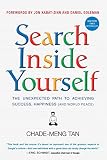
Search Inside Yourself
Chademeng TanGood To Great
Jim CollinsHigh Output Management
Andrew S. GroveEssentialism
Greg McKeownCrossing the Chasm
Geoffrey A. Moore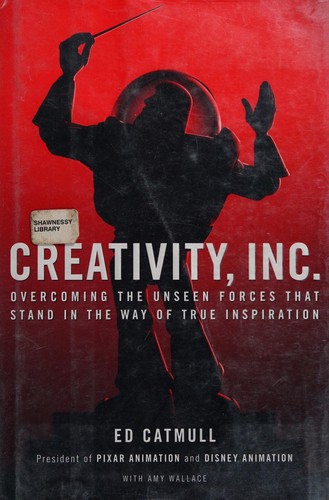
Creativity, Inc.
Ed CatmullHow recommendation signals are reviewed
Each recommendation is collected from a public source — interviews, articles, or curated lists — and linked to its original URL. Books with many verifiable recommendations from respected people rank higher.