
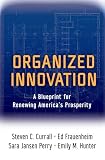
Organized Innovation
A Blueprint for Renewing America's Prosperity
by Steven C. Currall
Recommended by Dominic D'Agostino
Check price on AmazonProof-backed recommendation
Amazon availability
Reading Profile
Should I read this?
Organized Innovation reads like a policy-minded blueprint arguing for systematic coordination of technology, institutions, and investment to strengthen national competitiveness. Chapters mix program-level proposals, institutional case studies, and prescriptions for coordinating research, funding, and deployment rather than celebrating lone inventors. It’s most useful when you need concrete organizational levers and program ideas; less useful if you want narrative momentum, human-centered storytelling, or tactical how-tos for individual makers. The prose can feel technocratic and heavy on policy detail, which slows pacing.
Read this if...
- •a federal economic policy advisor drafting a national technology or industrial strategy ahead of an upcoming legislative session, because the book lists agency-level coordination options, funding mechanisms, and procurement levers you can pitch to colleagues now
- •a corporate R&D vice president at a legacy manufacturing firm reorganizing multiple global labs after a merger, because you need program-level mechanisms to reduce duplication, align incentives across divisions, and present a concrete implementation plan to the executive committee
- •a university technology-transfer director building a regional commercialization consortium with state economic-development agencies, because the book offers examples of institutional arrangements, IP-sharing approaches, and funding levers you can adapt before launching pilot partnerships
Skip this if...
- •you’ll likely put it down when the middle chapters accumulate policy jargon and institutional detail—those sections slow to a white-paper rhythm
- •annoying if you prefer narrative or profiles—this book prioritizes organization-level proposals over human stories and startup folklore
- •not for readers wanting hands-on exercises or step-by-step personal tactics; it lacks practical exercises and individual-level how-to guidance
"Organized" and "innovation" are words rarely heard together. But an organized approach to innovation is precisely what America needs today. This book presents a blueprint for coordinating Technology, breakthroughs to advance America's global competitiveness and prosperity.That prosperity is at risk. As other nations bolster Technology, innovation ef...
Before You Buy
Reading Specifications
Difficulty:hard
Audience Fit
- a federal economic policy advisor drafting a national technology or industrial strategy ahead of an upcoming legislative session, because the book lists agency-level coordination options, funding mechanisms, and procurement levers you can pitch to colleagues now
- a corporate R&D vice president at a legacy manufacturing firm reorganizing multiple global labs after a merger, because you need program-level mechanisms to reduce duplication, align incentives across divisions, and present a concrete implementation plan to the executive committee
- a university technology-transfer director building a regional commercialization consortium with state economic-development agencies, because the book offers examples of institutional arrangements, IP-sharing approaches, and funding levers you can adapt before launching pilot partnerships
- you’ll likely put it down when the middle chapters accumulate policy jargon and institutional detail—those sections slow to a white-paper rhythm
- annoying if you prefer narrative or profiles—this book prioritizes organization-level proposals over human stories and startup folklore
- not for readers wanting hands-on exercises or step-by-step personal tactics; it lacks practical exercises and individual-level how-to guidance
Check formats, pricing, and availability options for Kindle, physical print, or audiobooks directly.
View available editions on AmazonKey themes
Why recommended
Recommended by 2 sources and appears in Most Recommended Books.
Recommended by notable people
People and public figures who have recommended this book.
Recommendation Signals
Recommendation proof is sourced from public posts, interviews, reading lists, and cited references.
Dominic D'Agostino
“Check out USF's presidents book "Organized Innovation". This book provides a great framework for entrepreneurs. It is a roadmap for optimizing the impact of new technologies through synergistic relationships between universities, business, and government”
Appears In
Not sure if this is the right fit?
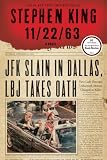
Consider 11/22/63 by Stephen King. Recommended by 4 sources.
“Starts as a lean, suspenseful time-travel premise that quickly settles into an immersive, character-focused saga. Its chief useful part is the way everyday 1960s small-town life and personal relationships make the historical stakes feel immediate; the novel rewards readers who relish atmosphere and slow moral puzzles. The main limitation is length and digressions—long domestic passages and episodic subplots stretch the middle and can undercut urgency for readers who wanted a tighter thriller.”
Similar books
11/22/63
Stephen King
40 Chances
Howard G. Buffett12 Rules for Life
Jordan Peterson21 Lessons for the 21st Century
Yuval Noah Harari
100 Endgames You Must Know
Jesus de la Villa10% Happier
Dan Harris100 Baggers
Christopher W Mayer300 Arguments
Sarah MangusoHow recommendation signals are reviewed
Each recommendation is collected from a public source — interviews, articles, or curated lists — and linked to its original URL. Books with many verifiable recommendations from respected people rank higher.