
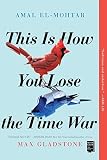
This Is How You Lose the Time War
by Amal elMohtar
1 more
More Recommenders
“A few fiction books I've loved recently: NK Jemisin's "The City We Became" Amal ElMohtar and Max Gladstone's "This is How You Lose the Time War" Kevin Wilson's "Nothing to See Here" They're all beautiful writing built on fantastical premises. Got any more recommendations | Have read and highly recommend the first two via @nkjemisin @tithenai @maxgladstone, gotta check out the third... | I haven't read the bottom book, but the top three are all INCREDIBLE.”
Source →Recommended by 3 notable people, including Tim Ferriss and Ezra Klein
Check price on AmazonProof-backed recommendation
Amazon availability
Reading Profile
Should I read this?
This Is How You Lose the Time War is a compact, lyrical epistolary novella pairing time‑travel spycraft with an enemies‑to‑lovers romance. It unfolds through stylized letters that prioritize voice, metaphor, and sensory detail over mechanical explanation. What works best is intense, intimate emotional writing and imaginative imagery; the main limitation is deliberately thin worldbuilding and an elliptical plot that leaves many questions unanswered. Best read slowly so the language lands—it's more mood‑piece than procedural sci‑fi.
Read this if...
- •a creative‑writing student studying voice who wants a short example of how epistolary form and poetic language can carry character and intimacy — useful between assignments because it's one sitting or a few short sessions
- •a speculative‑fiction reader tired of puzzle‑heavy hard SF who now prefers character focus; this fits when you want a compact, emotional take on time travel rather than detailed mechanics
- •a romance reader who enjoys enemies‑to‑lovers arcs and intense, small‑cast relationships — good for someone wanting a single, concentrated romantic experience instead of a series or long sweep
Skip this if...
- •you'll likely put it down when the letters keep piling up without clear plot answers — the accumulation of ornate, elliptical prose is the common drop‑off point
- •annoying if you prefer explicit worldbuilding or technical explanations; the novella favors suggestion over detailed mechanics
- •lose interest if you expect steady action or many characters — it's intimate and compressed, so readers wanting sprawling scope will feel constrained
Two timetraveling agents from warring futures, working their way through the past, begin to exchange letters_x0097_and fall in love in this thrilling and romantic book from awardwinning authors AmalEl Mohtar and Max Gladstone.Among the ashes of a dying world, an agent of the Commandant finds a letter. It reads: Burn before reading. Thus begins an unli...
Before You Buy
Reading Specifications
Difficulty:hard
Audience Fit
- a creative‑writing student studying voice who wants a short example of how epistolary form and poetic language can carry character and intimacy — useful between assignments because it's one sitting or a few short sessions
- a speculative‑fiction reader tired of puzzle‑heavy hard SF who now prefers character focus; this fits when you want a compact, emotional take on time travel rather than detailed mechanics
- a romance reader who enjoys enemies‑to‑lovers arcs and intense, small‑cast relationships — good for someone wanting a single, concentrated romantic experience instead of a series or long sweep
- you'll likely put it down when the letters keep piling up without clear plot answers — the accumulation of ornate, elliptical prose is the common drop‑off point
- annoying if you prefer explicit worldbuilding or technical explanations; the novella favors suggestion over detailed mechanics
- lose interest if you expect steady action or many characters — it's intimate and compressed, so readers wanting sprawling scope will feel constrained
Check formats, pricing, and availability options for Kindle, physical print, or audiobooks directly.
View available editions on AmazonKey themes
Why recommended
Recommended by 6 sources and appears in Enemies to Lovers, Sci Fi Romance, and Time Travel.
Recommended by notable people
People and public figures who have recommended this book.
Recommendation Signals
Recommendation proof is sourced from public posts, interviews, reading lists, and cited references.

Tim Ferriss
Author and podcaster
“A few fiction books I've loved recently: NK Jemisin's "The City We Became" Amal ElMohtar and Max Gladstone's "This is How You Lose the Time War" Kevin Wilson's "Nothing to See Here" They're all beautiful writing built on fantastical premises. Got any more recommendations | Have read and highly recommend the first two via @nkjemisin @tithenai @maxgladstone, gotta check out the third... | I haven't read the bottom book, but the top three are all INCREDIBLE.”
View sources (3) ▾80%
Appears In
Not sure if this is the right fit?
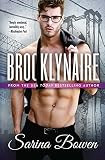
Consider Brooklynaire by Sarina Bowen.
“Brooklynaire is a glossy, steam-forward contemporary romance that pairs a wealthy hockey-team owner with the woman who manages his team; it trades slow-building complexity for immediate sexual tension and workplace chemistry. what works best is escapist pleasure—snappy dialogue, repeated heat scenes, and a tidy emotional resolution. Its main limitation is predictability and reliance on familiar billionaire/office tropes, with secondary characters often in service of the central romance rather than fully developed arcs.”
Similar books
How recommendation signals are reviewed
Each recommendation is collected from a public source — interviews, articles, or curated lists — and linked to its original URL. Books with many verifiable recommendations from respected people rank higher.