
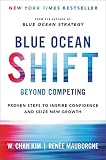
Blue Ocean Shift
Beyond Competing Proven Steps to Inspire Confidence and Seize New Growth
by W. Chan Kim
Reading Profile
Should I read this?
Blue Ocean Shift reads like a pragmatic playbook for organizations trying to move out of direct competition into fresh demand. Its strength is a clear, stepwise approach illustrated by multiple extended case studies and advice for aligning teams around a new strategic direction. That makes it useful for readers working on a concrete initiative, but the book repeats similar planning logic across chapters and favors narrative examples over short checklists, which can feel long for those after quick, tactical takeaways.
Read this if...
- •corporate strategy leader at an established firm trying to escape commodity competition and convince stakeholders to fund a multi-quarter initiative — because the book lays out stepwise planning and case narratives you can adapt into a business case.
- •product manager at a mid-size tech company dealing with feature parity and margin pressure while searching for new customer segments — because the book foregrounds identifying noncustomers and reframing value offers.
- •director at a mission-driven nonprofit aiming to broaden reach beyond current donors and beneficiaries and needing a structured way to pilot alternative offerings — because the book emphasizes team alignment and staged pilots.
Skip this if...
- •You'll likely put it down when the middle chapters run long on repeated case studies and detailed planning sequences — readers wanting a brisk read often stop there.
- •Annoying if you prefer punchy checklists and immediate tactical hacks; the book is methodical and built for projects that require stakeholder alignment rather than quick fixes.
- •Not for readers seeking dense empirical analysis or compact, bulletized summaries; the emphasis is on narrative examples and worked-through planning rather than tight, compressed takeaways.
Blue Ocean Shift is the essential follow up to Blue Ocean Strategy, the classic and 3.6 million copy global bestseller by worldrenowned professors W. Chan Kim and Renee Mauborgne. Drawing on more than a decade of new work, Kim and Mauborgne show you how to move beyond competing, inspire your people's confidence, and seize new growth, guiding you s...
Before You Buy
Reading Specifications
Difficulty:hard
Audience Fit
- corporate strategy leader at an established firm trying to escape commodity competition and convince stakeholders to fund a multi-quarter initiative — because the book lays out stepwise planning and case narratives you can adapt into a business case.
- product manager at a mid-size tech company dealing with feature parity and margin pressure while searching for new customer segments — because the book foregrounds identifying noncustomers and reframing value offers.
- director at a mission-driven nonprofit aiming to broaden reach beyond current donors and beneficiaries and needing a structured way to pilot alternative offerings — because the book emphasizes team alignment and staged pilots.
- You'll likely put it down when the middle chapters run long on repeated case studies and detailed planning sequences — readers wanting a brisk read often stop there.
- Annoying if you prefer punchy checklists and immediate tactical hacks; the book is methodical and built for projects that require stakeholder alignment rather than quick fixes.
- Not for readers seeking dense empirical analysis or compact, bulletized summaries; the emphasis is on narrative examples and worked-through planning rather than tight, compressed takeaways.
Check formats, pricing, and availability options for Kindle, physical print, or audiobooks directly.
View available editions on AmazonKey themes
Why recommended
appears in Marketing Strategy, Marketing, and Business.
Recommendation Signals
Recommendation proof is sourced from public posts, interviews, reading lists, and cited references.
No verified recommendation proof available yet.
Appears In
Not sure if this is the right fit?
Consider Give and Take by Adam Grant. Recommended by 34 sources.
“A research-heavy exploration of how reciprocity styles—givers, takers, and matchers—shape professional success. Grant uses stories from business, sports, and entertainment to argue that selfless givers can rise to the top if they avoid burnout and exploitation. The book is densely packed with studies, which makes it convincing but sometimes overwhelming. Useful for understanding networking through a generous lens, though the sheer volume of examples may feel like a barrage. Annoying if you want fewer anecdotes and more actionable steps.”
Similar books

How recommendation signals are reviewed
Each recommendation is collected from a public source — interviews, articles, or curated lists — and linked to its original URL. Books with many verifiable recommendations from respected people rank higher.