
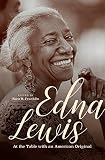
Edna Lewis
At the Table with an American Original
by Sara B. Franklin
Reading Profile
Should I read this?
Franklin's portrait reads like a slow, savory remembrance: she follows Edna Lewis from childhood in Freetown, Virginia through a career that folded recipes into memory and place. The book's useful part is its sensory descriptions—food, seasonal rhythms, and the community that shaped Lewis's cooking—which give practical inspiration and cultural texture. The main limitation is tone: passages can drift into affectionate repetition and recipe-adjacent digressions, so readers wanting tight chronology, incisive social analysis, or a practical how-to cookbook may feel frustrated.
Read this if...
- •a weekend home cook who recently moved into a house with a small backyard vegetable patch and is figuring out what to make from what's growing each season — the book's sensory scenes and ingredient rhythms offer concrete meal ideas and ritual-making inspiration for new gardeners
- •a graduate student in culinary studies, American studies, or food anthropology drafting a seminar paper on Black rural Southern foodways who needs vivid recollections and recipe anecdotes to enliven classroom examples and close readings
- •a neighborhood book-club host planning a one-evening discussion about food, memory, and identity for a mixed-age group who wants readable narrative sections and recipe passages that prompt personal stories and easy conversation starters
Skip this if...
- •you'll likely put it down when the narrative lingers on repeated reminiscences or recipe-like digressions — readers wanting forward momentum or a tightly plotted life story will lose interest
- •annoying if you prefer practical, tested recipes and clear kitchen technique — the book offers evocative food writing more than how-to instruction
- •not a fit if you want a rigorous, analytic history of race and labor in American foodways — the tone leans lyrical and personal rather than heavily academic
Edna Lewis (19162006) wrote some of America's most resonant, lyrical, and significant cookbooks, including the now classic The Taste of Country Cooking. Lewis cooked and wrote as a means to explore her memories of childhood on a farm in Freetown, Virginia, a community first founded by black families freed from slavery. With such observations as we...
Before You Buy
Reading Specifications
Difficulty:hard
Audience Fit
- a weekend home cook who recently moved into a house with a small backyard vegetable patch and is figuring out what to make from what's growing each season — the book's sensory scenes and ingredient rhythms offer concrete meal ideas and ritual-making inspiration for new gardeners
- a graduate student in culinary studies, American studies, or food anthropology drafting a seminar paper on Black rural Southern foodways who needs vivid recollections and recipe anecdotes to enliven classroom examples and close readings
- a neighborhood book-club host planning a one-evening discussion about food, memory, and identity for a mixed-age group who wants readable narrative sections and recipe passages that prompt personal stories and easy conversation starters
- you'll likely put it down when the narrative lingers on repeated reminiscences or recipe-like digressions — readers wanting forward momentum or a tightly plotted life story will lose interest
- annoying if you prefer practical, tested recipes and clear kitchen technique — the book offers evocative food writing more than how-to instruction
- not a fit if you want a rigorous, analytic history of race and labor in American foodways — the tone leans lyrical and personal rather than heavily academic
Check formats, pricing, and availability options for Kindle, physical print, or audiobooks directly.
View available editions on AmazonKey themes
Why recommended
Recommended by 2 sources and appears in Most Recommended Books and Food.
Recommended by notable people
People and public figures who have recommended this book.
Recommendation Signals
Recommendation proof is sourced from public posts, interviews, reading lists, and cited references.
Samin Nosrat
“This book is vital, introducing a new generation of readers and eaters to the deeply important life and legacy of Miss Lewis.”
Appears In
Not sure if this is the right fit?
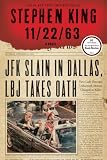
Consider 11/22/63 by Stephen King. Recommended by 4 sources.
“Starts as a lean, suspenseful time-travel premise that quickly settles into an immersive, character-focused saga. Its chief useful part is the way everyday 1960s small-town life and personal relationships make the historical stakes feel immediate; the novel rewards readers who relish atmosphere and slow moral puzzles. The main limitation is length and digressions—long domestic passages and episodic subplots stretch the middle and can undercut urgency for readers who wanted a tighter thriller.”
Similar books
11/22/63
Stephen King
40 Chances
Howard G. Buffett12 Rules for Life
Jordan Peterson21 Lessons for the 21st Century
Yuval Noah Harari
100 Endgames You Must Know
Jesus de la Villa10% Happier
Dan Harris100 Baggers
Christopher W Mayer300 Arguments
Sarah MangusoHow recommendation signals are reviewed
Each recommendation is collected from a public source — interviews, articles, or curated lists — and linked to its original URL. Books with many verifiable recommendations from respected people rank higher.