
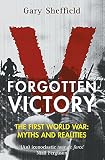
Forgotten Victory
The First World War Myths and Realities (Systems and Control
by Gary Sheffield
Reading Profile
Should I read this?
Brisk, argument-forward prose packed with battlefield detail, this book reappraises British performance in the First World War and insists the citizen army was more effective than commonly believed. The most useful material is the sustained close readings of key engagements and the challenge to the 'futility' narrative; Sheffield's command of operational detail helps make the case. Its main limitation is repetition and a narrow focus on military effectiveness—readers seeking social, cultural, or comparative breadth may find it uneven or overly technical.
Read this if...
- •a graduate student in military history preparing a seminar on WWI tactics who needs a contrarian position and battle-level analyses to cite and critique
- •a wargame designer building historically plausible First World War scenarios who wants granular operational descriptions and judgments about unit effectiveness
- •a high-school history teacher revising a WWI unit who wants an alternate narrative emphasizing British army performance to balance commonly taught 'futility' lines
Skip this if...
- •Annoying if you prefer broad social or cultural history rather than battlefield and command analysis.
- •You'll likely put it down when long, granular battle-by-battle accounts pile up and the revisionist argument is restated in similar terms repeatedly.
- •Lose interest if you want a light, panoramic overview or comparative multi-front coverage—this is focused, detail-heavy, and argument-driven.
The First World War is arguably the most misunderstood event in twentiethcentury history. In a radical new interpretation, leading military historian Gary Sheffield argues that while the war was tragic, it was not futile; and, although condemned as 'lions led by donkeys', in reality the British citizen army became the most effective fighting force...
Before You Buy
Reading Specifications
Difficulty:hard
Audience Fit
- a graduate student in military history preparing a seminar on WWI tactics who needs a contrarian position and battle-level analyses to cite and critique
- a wargame designer building historically plausible First World War scenarios who wants granular operational descriptions and judgments about unit effectiveness
- a high-school history teacher revising a WWI unit who wants an alternate narrative emphasizing British army performance to balance commonly taught 'futility' lines
- Annoying if you prefer broad social or cultural history rather than battlefield and command analysis.
- You'll likely put it down when long, granular battle-by-battle accounts pile up and the revisionist argument is restated in similar terms repeatedly.
- Lose interest if you want a light, panoramic overview or comparative multi-front coverage—this is focused, detail-heavy, and argument-driven.
Check formats, pricing, and availability options for Kindle, physical print, or audiobooks directly.
View available editions on AmazonKey themes
Why recommended
appears in World War 1, History, and Nonfiction.
Recommendation Signals
Recommendation proof is sourced from public posts, interviews, reading lists, and cited references.
No verified recommendation proof available yet.
Appears In
Not sure if this is the right fit?
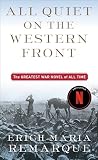
Consider All Quiet on the Western Front by Erich Maria Remarque. Recommended by 7 sources.
“Plain, economical prose drops you into frontline life and tracks the slow erosion of youthful enthusiasm into numbness. What works best is the intimate, day‑to‑day realism—small details of mud, fear, boredom and comradeship make the horror immediate. The main limitation is repetitiveness: similar episodes of bombardment, fatigue and brief leaves can blunt narrative momentum. Narrow viewpoint keeps wider politics offstage, so expect an emotionally draining, tightly focused portrait rather than a panoramic history.”
Similar books
The Sleepwalkers
Christopher Clark
Frightful First World War
Terry DearyAll Quiet on the Western Front
Erich Maria Remarque
Once an Eagle
Anton Myrer
Flo of the Somme
Hilary Ann Robinson
Christmas in the Trenches
John McCutcheon
19141918.0
D. Stevenson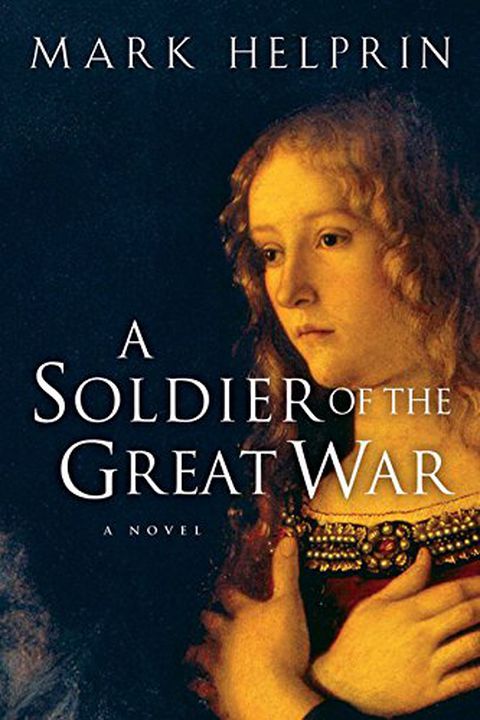
A Soldier of the Great War
Mark HelprinHow recommendation signals are reviewed
Each recommendation is collected from a public source — interviews, articles, or curated lists — and linked to its original URL. Books with many verifiable recommendations from respected people rank higher.