
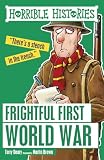
Frightful First World War
by Terry Deary
Reading Profile
Should I read this?
Short, punchy chapters and grimly comic rhymes deliver snapshots from World War I aimed at younger readers; expect stark details about trenches, rules, superstitions and the home-front strain. What works best is accessibility: it turns complex, horrific material into memorable episodes that spark questions and conversation. The limitation is tonal tension — playful rhymes and bitingly blunt asides can undercut solemnity, and the book offers little in the way of deep analysis or context for older readers.
Read this if...
- •middle-school history teacher planning a two-week WWI unit who needs short, memorable anecdotes and read-aloud hooks to launch discussion in class.
- •parent reading aloud to an 8–12-year-old curious about wartime life and ready for frank, sometimes macabre details presented in bite-sized passages.
- •children's-librarian preparing a storytime or a themed display who wants theatrical snippets and rhymes for dramatic readings that capture attention quickly.
Skip this if...
- •You’ll likely put it down when the playful rhymes keep turning up as the book moves into truly grim territory — the tonal clash is a common drop-off point.
- •Annoying if you prefer careful context and sources: the book trades depth and chronology for vignettes and mood, so it lacks background for older readers or research needs.
- •Annoying if you prefer a gentle approach: blunt descriptions and macabre jokes may feel insensitive to readers seeking a consoling or purely educational tone.
The details of the dreadful war that affected everyone, from peaceloving protesters to the suffering soldiers. There are ropey rhymes and sad songs, rotten rules and sinister superstitions. Here is the horror and the hardships of World War I, which lasted for four years....
Before You Buy
Reading Specifications
Difficulty:hard
Audience Fit
- middle-school history teacher planning a two-week WWI unit who needs short, memorable anecdotes and read-aloud hooks to launch discussion in class.
- parent reading aloud to an 8–12-year-old curious about wartime life and ready for frank, sometimes macabre details presented in bite-sized passages.
- children's-librarian preparing a storytime or a themed display who wants theatrical snippets and rhymes for dramatic readings that capture attention quickly.
- You’ll likely put it down when the playful rhymes keep turning up as the book moves into truly grim territory — the tonal clash is a common drop-off point.
- Annoying if you prefer careful context and sources: the book trades depth and chronology for vignettes and mood, so it lacks background for older readers or research needs.
- Annoying if you prefer a gentle approach: blunt descriptions and macabre jokes may feel insensitive to readers seeking a consoling or purely educational tone.
Check formats, pricing, and availability options for Kindle, physical print, or audiobooks directly.
View available editions on AmazonKey themes
Why recommended
appears in World War 1, History, and Fiction.
Recommendation Signals
Recommendation proof is sourced from public posts, interviews, reading lists, and cited references.
No verified recommendation proof available yet.
Appears In
Not sure if this is the right fit?
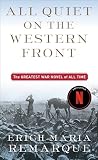
Consider All Quiet on the Western Front by Erich Maria Remarque. Recommended by 7 sources.
“Plain, economical prose drops you into frontline life and tracks the slow erosion of youthful enthusiasm into numbness. What works best is the intimate, day‑to‑day realism—small details of mud, fear, boredom and comradeship make the horror immediate. The main limitation is repetitiveness: similar episodes of bombardment, fatigue and brief leaves can blunt narrative momentum. Narrow viewpoint keeps wider politics offstage, so expect an emotionally draining, tightly focused portrait rather than a panoramic history.”
Similar books
The Sleepwalkers
Christopher ClarkAll Quiet on the Western Front
Erich Maria Remarque
Once an Eagle
Anton Myrer
Flo of the Somme
Hilary Ann Robinson
Forgotten Victory
Gary Sheffield
Christmas in the Trenches
John McCutcheon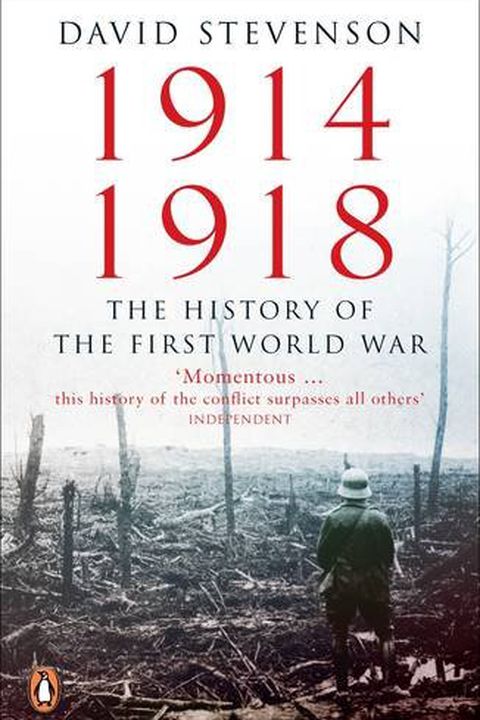
19141918.0
D. Stevenson
A Soldier of the Great War
Mark HelprinHow recommendation signals are reviewed
Each recommendation is collected from a public source — interviews, articles, or curated lists — and linked to its original URL. Books with many verifiable recommendations from respected people rank higher.