
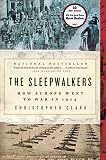
The Sleepwalkers
How Europe Went to War in 1914
by Christopher Clark

Recommended by Sam Altman and Duncan Weldon
Check price on AmazonProof-backed recommendation
Amazon availability
Reading Profile
Should I read this?
Reading moves between vivid, scene-driven openings and dense diplomatic reconstruction; what works best is a tightly sourced account that makes the assassination of Franz Ferdinand feel embedded in tangled alliances, nationalist pressures, and ministerial missteps. The book’s patient buildup and archival moments give granular sense of the political tempo of 1914. Limitation: long passages of bureaucratic detail and repetitious threads slow momentum, and the narrative assumes tolerance for many names, dates and cables rather than a breezy synthesis.
Read this if...
- •a graduate student researching the origins of World War I who needs a granular diplomatic timeline and archival detail to map the July Crisis and cite specific exchanges
- •a college lecturer preparing a seminar on 1914 who wants case studies, tightly grounded scenes, and contested interpretations to fuel class debates
- •a nonfiction reader who enjoys long-form political microhistory and is willing to invest 8–15 hours to trace how a local assassination rippled into empire-scale decisions
Skip this if...
- •you'll likely put it down when the narrative slides into long stretches of ministerial correspondence, telegrams and bureaucratic minutiae — that’s the book’s slow point
- •annoying if you prefer clear, single-cause explanations or a short thematic summary rather than patient, multi-actor reconstruction
- •not suited if you want quick practical takeaways or hands-on exercises — this is archival narrative, not a how-to or workbook
The moments that it took Gavrilo Princip to step forward to the stalled car and shoot dead Franz Ferdinand and his wife were perhaps the most fateful of the modern era. An act of terrorism of staggering efficiency, it fulfilled its every aim: it would liberate Bosnia from Habsburg rule and it created a powerful new Serbia, but it also brought down ...
Before You Buy
Reading Specifications
Difficulty:hard
Audience Fit
- a graduate student researching the origins of World War I who needs a granular diplomatic timeline and archival detail to map the July Crisis and cite specific exchanges
- a college lecturer preparing a seminar on 1914 who wants case studies, tightly grounded scenes, and contested interpretations to fuel class debates
- a nonfiction reader who enjoys long-form political microhistory and is willing to invest 8–15 hours to trace how a local assassination rippled into empire-scale decisions
- you'll likely put it down when the narrative slides into long stretches of ministerial correspondence, telegrams and bureaucratic minutiae — that’s the book’s slow point
- annoying if you prefer clear, single-cause explanations or a short thematic summary rather than patient, multi-actor reconstruction
- not suited if you want quick practical takeaways or hands-on exercises — this is archival narrative, not a how-to or workbook
Check formats, pricing, and availability options for Kindle, physical print, or audiobooks directly.
View available editions on AmazonKey themes
Why recommended
Recommended by 2 sources and appears in World War I, World War 1, and History.
Recommended by notable people
People and public figures who have recommended this book.
Recommendation Signals
Recommendation proof is sourced from public posts, interviews, reading lists, and cited references.
Duncan Weldon
“@Gilesyb Sleepwalkers Excellent book. But I always think it’s also a great example of historical writing reflecting contemporary events. The emphasis on Serbian expansion and cross border terror feels very post 1990s and post 9/11. | This is a really good book, and has been on my mind watching the Ukraine situation develop:”
View sources (2) ▾80%
Appears In
Not sure if this is the right fit?
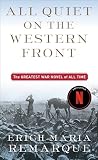
Consider All Quiet on the Western Front by Erich Maria Remarque. Recommended by 7 sources.
“Plain, economical prose drops you into frontline life and tracks the slow erosion of youthful enthusiasm into numbness. What works best is the intimate, day‑to‑day realism—small details of mud, fear, boredom and comradeship make the horror immediate. The main limitation is repetitiveness: similar episodes of bombardment, fatigue and brief leaves can blunt narrative momentum. Narrow viewpoint keeps wider politics offstage, so expect an emotionally draining, tightly focused portrait rather than a panoramic history.”
Similar books
Frightful First World War
Terry DearyAll Quiet on the Western Front
Erich Maria Remarque
Once an Eagle
Anton Myrer
Flo of the Somme
Hilary Ann Robinson
Forgotten Victory
Gary Sheffield
Christmas in the Trenches
John McCutcheon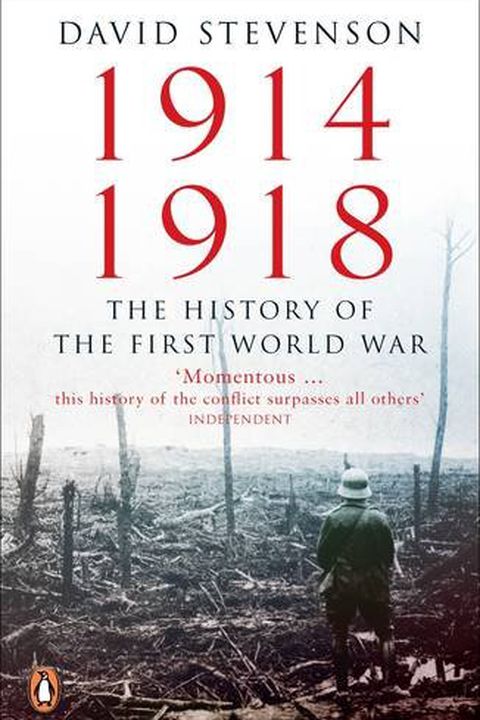
19141918.0
D. Stevenson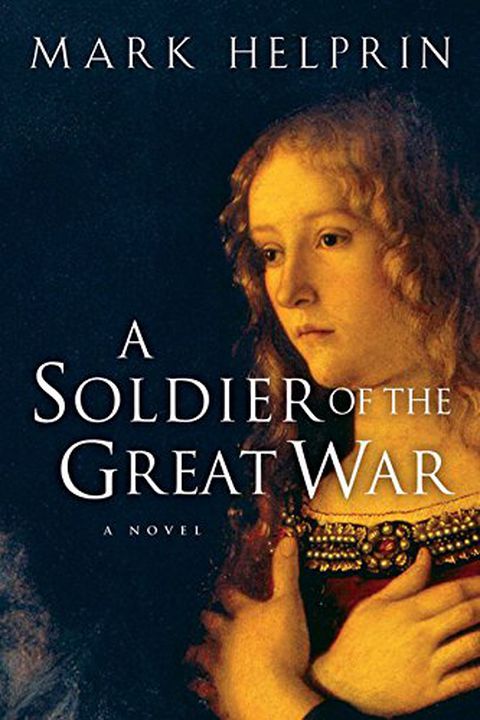
A Soldier of the Great War
Mark HelprinHow recommendation signals are reviewed
Each recommendation is collected from a public source — interviews, articles, or curated lists — and linked to its original URL. Books with many verifiable recommendations from respected people rank higher.