
The Checklist Manifesto
How to Get Things Right
by Atul Gawande


10 more
More Recommenders
Designer and writer

Technology executive and investor
Recommended by 12 notable people, including Bill Gates and Tim Ferriss
Check price on AmazonProof-backed recommendation
Amazon availability
Reading Profile
Should I read this?
Recommended by 21 sources and appears in Operations Management, Best Productivity Books, and Time Management.
THE GAME-CHANGING BOOK FROM THE BESTSELLING AUTHOR OF BEING MORTAL Today we find ourselves in possession of stupendous know-how, which we willingly place in the hands of the most highly skilled people. But avoidable failures are common, and the reason is simple: the volume and complexity of our knowledge has exceeded our ability to consistently deliver it - correctly, safely or efficiently. In this groundbreaking book, Atul Gawande makes a compelling argument for the checklist, which he believes to be the most promising method available in surmounting failure. Whether you're following a recipe, investing millions of dollars in a company or building a skyscraper, the checklist is an…
Looking for Kindle, hardcover, paperback, or audiobook editions?
Check formats, pricing, and current availability directly.
Why recommended
Recommended by 21 sources and appears in Operations Management, Best Productivity Books, and Time Management.
Recommended by notable people
People and public figures who have recommended this book.
Recommendation Signals
Recommendation proof is sourced from public posts, interviews, reading lists, and cited references.
Appears In
Operations Management
Topic8 books
Best Productivity Books
Topic22 books
Time Management
Topic55 books
Most Recommended Books
Curated5676 books
Books Recommended by Bill Gates
Category75 books
Books Recommended by Investors
Category75 books
Books Recommended by Writers
Category75 books
Books Recommended by Billionaires
Category75 books
Not sure if this is the right fit?
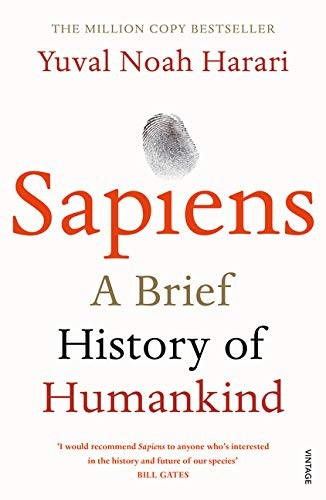
Consider Sapiens by Yuval Noah Harari. Recommended by 101 sources.
“A sweeping narrative history of Homo sapiens from the Cognitive Revolution to the present. Harari argues that what makes humans dominate the planet is not physical strength but collective myths: shared fictions like money, religion, and nations that allow millions of strangers to cooperate. The book moves fast through 70,000 years, making big, debatable claims about agriculture, empire, capitalism, and happiness. It is less a history textbook than a provocative essay in chronological form, and best read as an argument rather than a reference.”
Similar books

How recommendation signals are reviewed
Each recommendation is collected from a public source — interviews, articles, or curated lists — and linked to its original URL. Books with many verifiable recommendations from respected people rank higher.