
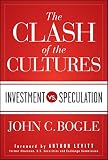
The Clash of the Cultures
Investment vs. Speculation
by John C. Bogle

2 more
More Recommenders
“For investors, the most valuable takeaway is his list of 10 simple rules of “Common Senses Investing.” According to Bogle, it “may not be the best strategy ever devised. But the number of strategies that are worse is infinite. One of my favorite lines from the book: “Where returns are concerned, time is your friend. But where costs are concerned, time is your enemy.” (Why Because it can pretty much apply to all aspects of your life, not just investing.) | Read any book by John C. Bogle, the founder of Vangard.”
Source →“For investors, the most valuable takeaway is his list of 10 simple rules of “Common Senses Investing.” According to Bogle, it “may not be the best strategy ever devised. But the number of strategies that are worse is infinite. One of my favorite lines from the book: “Where returns are concerned, time is your friend. But where costs are concerned, time is your enemy.” (Why Because it can pretty much apply to all aspects of your life, not just investing.) | Read any book by John C. Bogle, the founder of Vangard.”
Source →Recommended by 4 notable people, including Warren Buffett and Money Mustache
Check price on AmazonProof-backed recommendation
Amazon availability
Reading Profile
Should I read this?
Reading this feels like a pointed shareholder letter from an industry veteran: plainspoken, opinionated, and focused on how speculation came to dominate investment practices. Best value comes from first-hand recollections and a steady defense of saver-friendly, long-term investing; the book supplies practical signposts rather than technical how-tos. Limits: the voice repeats grievances across chapters and leans more on anecdote and judgment than on systematic, hands-on solutions. Useful as conviction-testing reading, not a how-to manual.
Read this if...
- •a financial advisor at a small wealth firm trying to persuade jittery clients to avoid market timing — useful for language and historical examples when arguing for long-term saving
- •a mid-career individual investor weighing active versus passive funds who wants an industry insider's cautionary perspective on incentive shifts
- •a securities regulator analyst drafting fee or disclosure guidance who needs a practitioner's chronology of mutual-fund culture and common conflicts of interest
Skip this if...
- •you'll likely put it down when the author restates the same anecdotes and complaints — the middle sections loop and momentum slows
- •annoying if you prefer neutral, tightly sourced academic studies; the voice is anecdote-heavy and opinionated rather than methodical
- •not great if you wanted hands-on investing templates or exercises — the book lacks hands-on exercises and step-by-step portfolio templates
How speculation has come to dominate investment?a hardhitting look from the creator of the first index fund.Over the course of his sixtyyear career in the mutual fund industry, Vanguard Group founder John C. Bogle has witnessed a massive shift in the culture of the financial sector. The prudent, valueadding culture of longterm investment has be...
Before You Buy
Reading Specifications
Difficulty:hard
Audience Fit
- a financial advisor at a small wealth firm trying to persuade jittery clients to avoid market timing — useful for language and historical examples when arguing for long-term saving
- a mid-career individual investor weighing active versus passive funds who wants an industry insider's cautionary perspective on incentive shifts
- a securities regulator analyst drafting fee or disclosure guidance who needs a practitioner's chronology of mutual-fund culture and common conflicts of interest
- you'll likely put it down when the author restates the same anecdotes and complaints — the middle sections loop and momentum slows
- annoying if you prefer neutral, tightly sourced academic studies; the voice is anecdote-heavy and opinionated rather than methodical
- not great if you wanted hands-on investing templates or exercises — the book lacks hands-on exercises and step-by-step portfolio templates
Check formats, pricing, and availability options for Kindle, physical print, or audiobooks directly.
View available editions on AmazonKey themes
Why recommended
Recommended by 5 sources and appears in Best Investing Books, Books Recommended by Warren Buffett, and Most Recommended Books.
Recommended by notable people
People and public figures who have recommended this book.
Recommendation Signals
Recommendation proof is sourced from public posts, interviews, reading lists, and cited references.
Peter Adeney
“For investors, the most valuable takeaway is his list of 10 simple rules of “Common Senses Investing.” According to Bogle, it “may not be the best strategy ever devised. But the number of strategies that are worse is infinite. One of my favorite lines from the book: “Where returns are concerned, time is your friend. But where costs are concerned, time is your enemy.” (Why Because it can pretty much apply to all aspects of your life, not just investing.) | Read any book by John C. Bogle, the founder of Vangard.”
View sources (2) ▾80%
Appears In
Not sure if this is the right fit?
Consider The Intelligent Investor by Benjamin Graham. Recommended by 23 sources.
“This is a slow, meticulous read that builds value investing principles through exhaustive stock comparisons and portfolio theory. The core useful insight is Graham’s emphasis on a margin of safety and treating market fluctuations as your servant, not your guide. The limitation: many examples hail from the 1940s-1970s, making the data feel irrelevant, and the prose can be pedantic, stretching patience. You'll get the timeless philosophy but must wade through antiquated case studies.”
Similar books
The Little Book of Common Sense Investing
John C. BogleThe Intelligent Investor
Benjamin GrahamThe Undoing Project
Michael Lewis
Common Sense on Mutual Funds
John C. Bogle
Stress Test
Timothy F. Geithner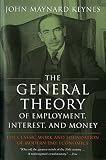
The General Theory of Employment, Interest, and Money
John Maynard Keynes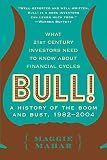
Bull
Maggie Mahar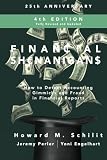
Financial Shenanigans
Howard SchilitHow recommendation signals are reviewed
Each recommendation is collected from a public source — interviews, articles, or curated lists — and linked to its original URL. Books with many verifiable recommendations from respected people rank higher.