
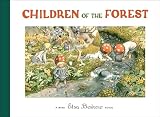
Children of the Forest
Mini Edition
by Elsa Beskow
Reading Profile
Should I read this?
Children of the Forest is a tiny, pastoral children's tale that settles into the rhythms of seasons and small domestic tasks: mushroom- and berry-gathering, sheltering under toadstools, playing with squirrels and frogs, and preparing for winter. The value is quiet atmosphere and easily imagable scenes that work well for read-alouds or short bedside readings. The limitation is thin narrative drive and a gently old-fashioned tone that may feel repetitive or unadventurous to readers looking for stronger conflict or contemporary framing.
Read this if...
- •a parent of a 2–6-year-old building a bedtime routine who wants short, calming nature vignettes to read in one sitting — because the book’s brief scenes and gentle images settle young listeners
- •a preschool teacher planning a seasonal unit on autumn-to-spring transitions who needs evocative, concrete scenes of harvest and shelter — because the book names seasonal tasks and animal friends kids can picture
- •someone buying a small gift for a child who loves woodland creatures and tactile, cozy stories — because the mini gift edition is compact and mood-driven rather than plot-heavy
Skip this if...
- •you’ll likely put it down when you expect a clear plot arc or adventurous stakes — the book favors atmosphere and routine over narrative tension
- •annoying if you prefer contemporary pacing or diverse modern settings; the tone can read as quaint or old-fashioned and may feel slow to adult readers used to faster stories
- •avoid if you want interactive lessons or activity prompts — no exercises or hands-on guides are included, and the text doesn’t translate into activities without extra work
The children of the forest live deep in the roots of an old pine tree. They collect wild mushrooms and blueberries and shelter under toadstools when it rains. They play with the squirrels and frogs, and when fall comes, they collect and prepare food to see them through the long winter, until the warm spring breeze starts to blow.A mini gift edition...
Before You Buy
Reading Specifications
Difficulty:hard
Audience Fit
- a parent of a 2–6-year-old building a bedtime routine who wants short, calming nature vignettes to read in one sitting — because the book’s brief scenes and gentle images settle young listeners
- a preschool teacher planning a seasonal unit on autumn-to-spring transitions who needs evocative, concrete scenes of harvest and shelter — because the book names seasonal tasks and animal friends kids can picture
- someone buying a small gift for a child who loves woodland creatures and tactile, cozy stories — because the mini gift edition is compact and mood-driven rather than plot-heavy
- you’ll likely put it down when you expect a clear plot arc or adventurous stakes — the book favors atmosphere and routine over narrative tension
- annoying if you prefer contemporary pacing or diverse modern settings; the tone can read as quaint or old-fashioned and may feel slow to adult readers used to faster stories
- avoid if you want interactive lessons or activity prompts — no exercises or hands-on guides are included, and the text doesn’t translate into activities without extra work
Check formats, pricing, and availability options for Kindle, physical print, or audiobooks directly.
View available editions on AmazonKey themes
Why recommended
appears in Nature, Fantasy, and Fiction.
Recommendation Signals
Recommendation proof is sourced from public posts, interviews, reading lists, and cited references.
No verified recommendation proof available yet.
Appears In
Not sure if this is the right fit?
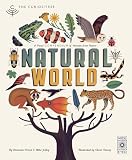
Consider Curiositree by Aj Wood.
“Brightly illustrated and organized as information charts, Curiositree reads like a visual primer for young naturalists. What works best is its approachable snapshots of adaptations—clear labels, playful art and side-by-side comparisons make concepts like camouflage, feeding strategies and reproduction tangible without lengthy prose. Limitations: text is terse and general, so older kids or adults seeking depth will find it skimpy, and the chart format occasionally repeats the same layout until it feels formulaic rather than exploratory.”
Similar books

How recommendation signals are reviewed
Each recommendation is collected from a public source — interviews, articles, or curated lists — and linked to its original URL. Books with many verifiable recommendations from respected people rank higher.